48 YEARS AFTER MEL STREET PASSED AWAY, THE WORLD STILL CAN’T EXPLAIN HOW A MAN DIED ON HIS BIRTHDAY — AND A SONG CALLED “JUST HANGIN’ ON” ENTERED THE CHARTS ON THE EXACT SAME DAY. October 21, 1978. Mel Street’s birthday. He was supposed to walk into the studio that morning and finish his first Mercury Records album. The contract that was going to change everything. He never made it. That same day, Billboard’s country chart updated. A new entry appeared: “Just Hangin’ On” — by Mel Street. Nobody at the label planned that title. Nobody picked that date. The music industry doesn’t schedule irony. It just happens. Four more singles charted after he was gone. One climbed to number 17. His greatest hits album sold 400,000 copies. And when they held his funeral, the man who walked to the mic and sang “Amazing Grace” was George Jones — the very voice Mel had spent his whole life trying to be worthy of. The charts moved on. Nashville moved on. But that date never moved. October 21st — the day country music received a voice, released a song, and lost them both. Some titles are chosen. Some are given. And some arrive on the worst possible day, saying the one thing nobody had the courage to say out loud. – Country Music
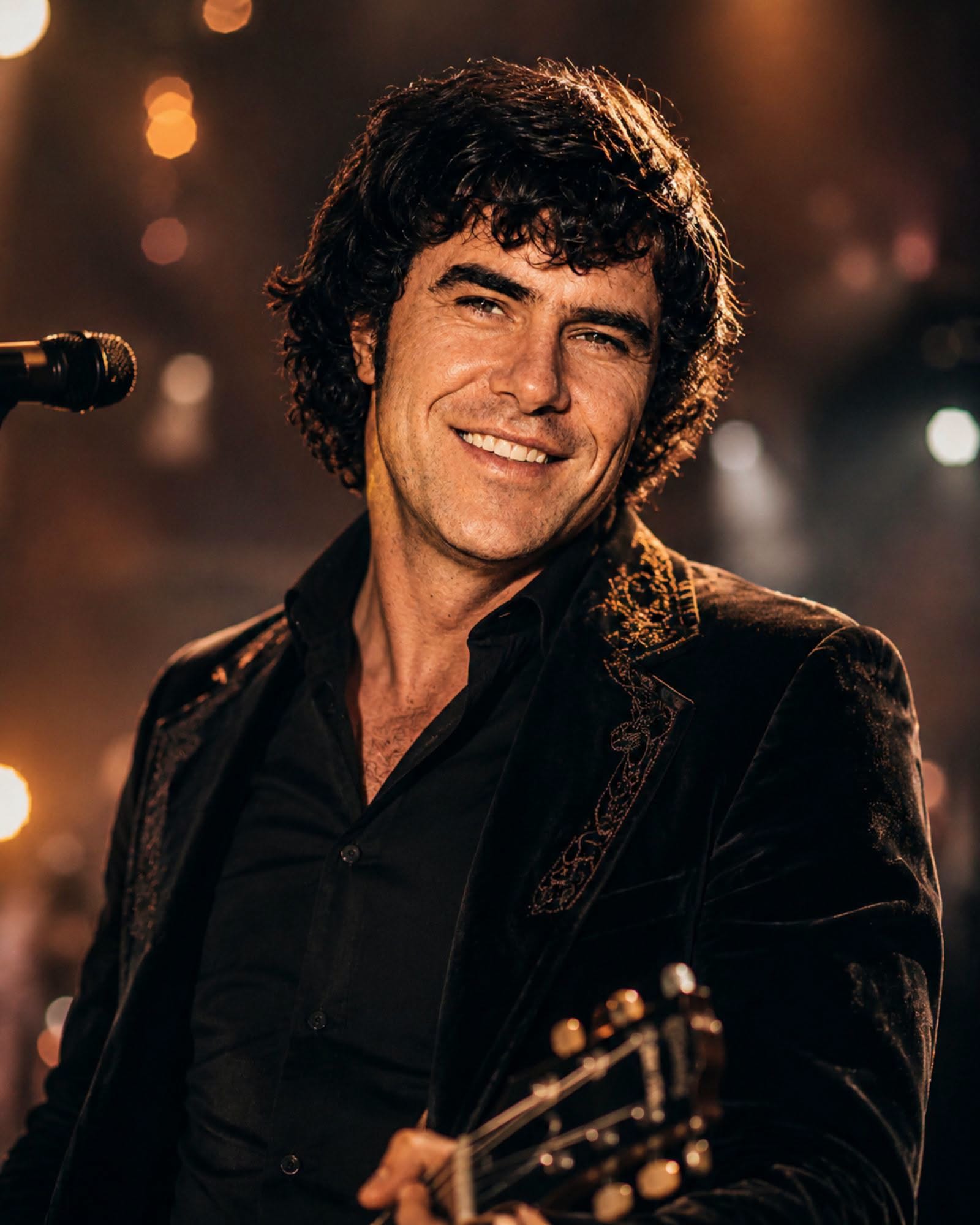
48 Years After Mel Street Passed Away, the Story Still Feels Unbelievable
October 21, 1978, was supposed to be a turning point for Mel Street. It was his birthday, and it was also the day he was expected to walk into the studio and finish the first Mercury Records album that could have changed everything. For a country singer who had spent years fighting for attention, the contract itself felt like a door opening at last.
But Mel Street never made it to that session.
Instead, the date became one of those rare moments in music history when life and art seem to collide in a way that is almost too sharp to accept. On the very same day Mel Street died, Billboard’s country chart updated, and a new entry appeared: “Just Hangin’ On” by Mel Street.
The irony is almost impossible to process. Nobody at Mercury Records could have planned it. Nobody could have looked ahead and chosen that title for that date. The music business can be calculated, strategic, and careful, but sometimes it also becomes a place where meaning arrives without permission.
A Voice That Took the Long Way
Mel Street was not a flash-in-the-pan success story. He was a working singer with a voice that carried pain, grit, and tenderness all at once. In country music, that kind of voice matters because it sounds lived-in. It does not ask for attention; it earns it.
He built his name slowly, one song at a time, and people who followed his career knew there was something special about the way he sang. He could make a heartbreak sound private, like he was letting the listener stand inside the room with him. That ability helped him connect, even when the bigger spotlight seemed to stay just out of reach.
Then came the Mercury Records opportunity, the kind of contract that often marks the beginning of a new chapter. For Mel Street, it was supposed to be the break that finally matched the talent. The first album was waiting. The studio was waiting. The date was waiting.
Mel Street was not.
The Day the Charts Told Their Own Story
What makes the story so haunting is that the charts kept moving while the tragedy unfolded. “Just Hangin’ On” entered the country chart on October 21, 1978, the very day Mel Street passed away. Then, in the months that followed, four more singles charted after his death.
One of them climbed all the way to number 17. His greatest hits album eventually sold more than 400,000 copies. In other words, Mel Street’s music did not stop simply because his life did. His voice remained in circulation, reaching listeners who may not have known the full story behind the man singing it.
That is part of what makes country music so powerful. A song can outlive the circumstances of its creation. It can become bigger than the moment it was born into. But in Mel Street’s case, the timing added a layer of sadness that no one could ignore.
Some songs sound like they were written for the moment. Others sound like they were waiting for history to catch up.
There was another detail that made the story even harder to forget. At Mel Street’s funeral, George Jones sang “Amazing Grace.” For fans of country music, that detail carries enormous weight. George Jones was one of the most revered voices in the genre, and Mel Street had spent his life trying to be worthy of that level of respect.
It was a final tribute that felt deeply personal, the kind of gesture that does not need explanation. Country music has always understood loss in a direct way. It does not hide from grief. It names it, sings it, and leaves it in the open.
In that sense, Mel Street’s story belongs to a long tradition of artists whose work becomes more meaningful after they are gone. The songs remain. The recordings remain. The dates remain. And sometimes one date becomes impossible to separate from the memory of what happened on it.
Why October 21 Still Matters
Nearly five decades later, October 21 still feels like a date country fans return to with disbelief. It marks the day country music received a voice, released a song, and lost them both. That is a rare kind of coincidence, but it is also more than coincidence. It is a reminder that careers, records, and charts are all human stories first.
Mel Street did not get the chance to see the full reach of what he had built. He did not walk into that studio and finish the album everyone was waiting for. He did not live to watch the next chapter unfold. Yet the records kept moving, the songs kept playing, and the audience kept listening.
Some titles are chosen. Some are given. And some arrive on the worst possible day, carrying a meaning nobody had the courage to say out loud. “Just Hangin’ On” became more than a chart entry. It became a line that now seems to echo across time, holding on to a voice that country music was not ready to lose.
That is why the story still lingers. Not because it is strange, though it is. Not because it is sad, though it is. It lingers because it reminds us that music sometimes tells the truth before anyone is ready to hear it.
Post navigation
On July 20, 2012, the Hendersonville Church of Christ in Tennessee was filled with a kind of silence that felt heavy and sacred at the same time. People came to say goodbye to Kitty Wells, the woman many still called the Queen of Country Music. Inside those pews were friends, fellow musicians, and voices that had helped shape country music for generations. Marty Stuart was there. Connie Smith was there. Bill Anderson was there. Ricky Skaggs was there. The Whites were there too. They did not come for a performance. They came to honor a life that had changed the sound of American music forever.
Kitty Wells was more than a legend. She was the first woman ever to top the country charts, and from 1953 to 1968, every major poll in Nashville placed her at No. 1 among female country singers for fifteen straight years. That kind of run does not happen by accident. It comes from talent, grit, and the courage to keep singing when the world is not yet ready to listen.
A Voice That Changed the Rules
Before Kitty Wells, women in country music often had to fit into a narrow space. Then came a song that changed everything. With one voice and one recording, she challenged the idea that only men could lead the story in country music. Her breakthrough did not just make her famous. It opened a door.
That door mattered to everyone who came after her. The artists who filled the church that day understood what her success had cost and what it had made possible. There was respect in the room, but there was also gratitude. She had helped prove that a woman could stand at the center of country music and command the same attention, the same admiration, and the same lasting power as anyone else.
“It’s one thing to make a contribution in life. It’s another to make a difference. Kitty did both.”
Those words, spoken by Eddie Stubbs from the pulpit, seemed to capture the entire mood of the service. Eddie Stubbs, the voice of the Grand Ole Opry who had once played fiddle for Kitty Wells, knew exactly what he was saying. The room rose when he asked everyone to stand, and then came the applause. It was not loud in a celebratory way. It was reverent. A standing ovation for a woman who had earned it long before that final day.
The Music Stopped, But the Honor Remained
Ricky Skaggs and The Whites closed the service with I Saw the Light. The hymn carried through the church with a gentle ache, the kind that comes when music and memory meet. As the last note faded, the casket was wheeled slowly from the church, and her family followed behind in tears. There was no spectacle, only love, grief, and deep respect.
That moment mattered because it showed how country music remembers its own. Not only with awards and chart numbers, but with people gathering in a church to say thank you. Kitty Wells had spent her life giving the world songs that felt honest and unforced. In the end, the farewell was honest too.
What the Greats Said About Kitty Wells
The tributes that followed were heartfelt and direct. Loretta Lynn wrote that day, “Kitty Wells will always be the greatest female country singer of all time. She was my hero.” Charlie Daniels added, “A Queen died today. The lady who set the standard for all who followed.” Those were not empty compliments. They were the words of artists who understood the scale of what Kitty Wells had done.
She had stood in Nashville sixty years earlier and changed everything with one song and one voice nobody in Nashville had expected to matter so much. Yet it did matter. It mattered to the fans who heard themselves in her songs. It mattered to young women who wondered if there was a place for them in country music. It mattered to the entire industry, even when the industry was slow to admit it.
A Final Goodbye in the City She Changed
Kitty Wells was buried at Spring Hill Cemetery in Nashville, the same city where her story had become part of country music history. That felt fitting. Nashville was where she had broken through, where she had been tested, and where she had left a mark that would not fade.
Her funeral was not just the end of a life. It was also a reminder of how much one artist can change the world without ever needing to shout. Kitty Wells did it with songs, with poise, and with a voice that carried truth. When the people at Hendersonville Church of Christ rose to their feet and applauded, they were not only mourning her. They were recognizing a woman who had earned her place in history, and who had given country music a new future.
For fans, that final standing ovation was the right ending. Kitty Wells had spent her life making history. On that July day, history stood up for her one last time.