17 #1 HITS. COUNTRY MUSIC HALL OF FAME. BUT HERE’S SOMETHING ALMOST NOBODY KNOWS: DON WILLIAMS MADE ONE OF COUNTRY MUSIC’S FIRST MUSIC VIDEOS — IN 1973, EIGHT YEARS BEFORE MTV. When “Come Early Morning” appeared on his debut album, Don Williams and producer Allen Reynolds did something almost unheard of in Nashville — they turned the song into a filmed visual piece. This was 1973. Country artists were still figuring out television. MTV wouldn’t exist for another eight years. But the Gentle Giant was already there, quietly doing what he always did — staying ahead without ever raising his voice. That was Don Williams. He never chased trends, never shouted for attention. He just showed up first, did it his way, and let the world catch up. Eric Clapton became a fan. Pete Townshend covered his songs. Radio stations played his records before promoters even called. And it all started with a man too gentle to brag about any of it. – Country Music
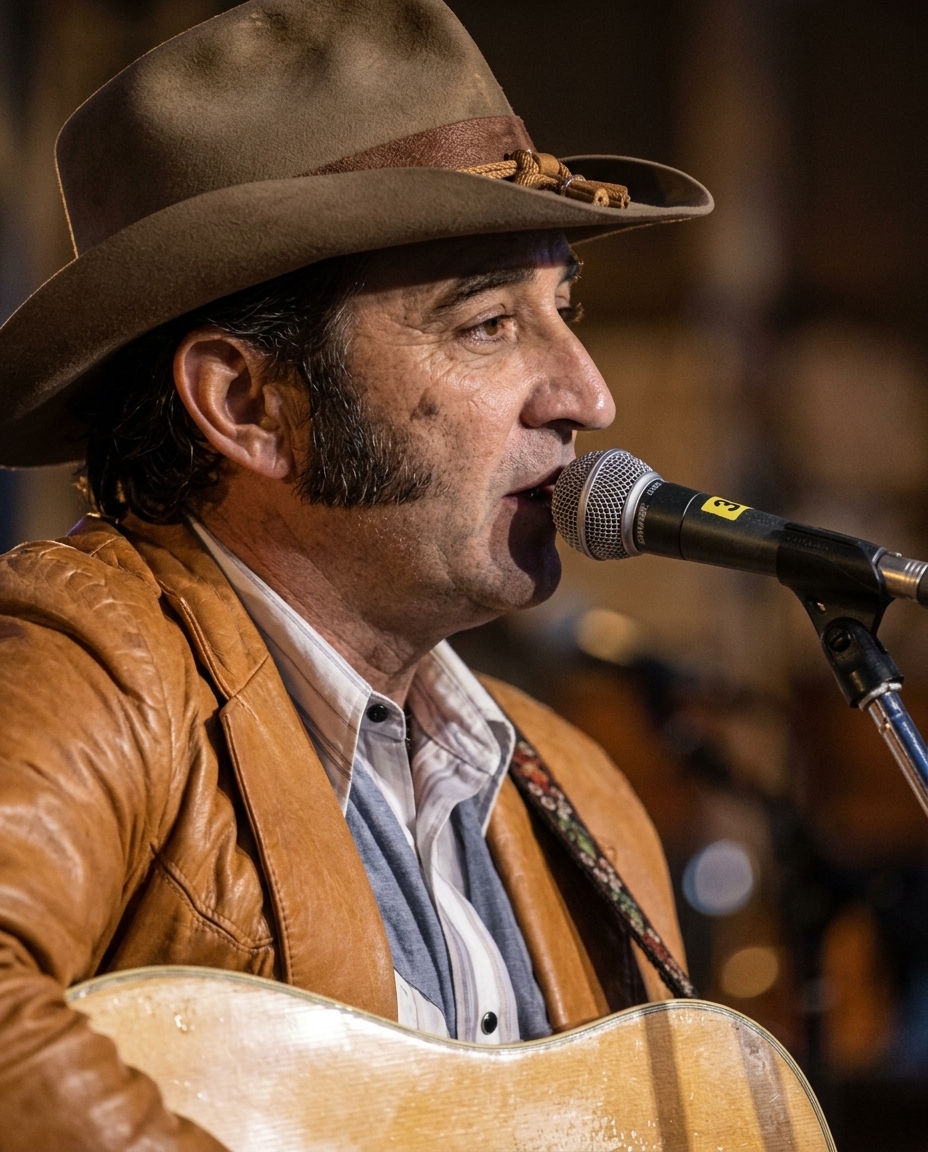
Seventeen number-one hits. A place in the Country Music Hall of Fame. One of the most recognizable voices Nashville has ever known.
But there is one part of Don Williams’ story that even many longtime fans have never heard.
In 1973, nearly a decade before MTV changed music forever, Don Williams quietly helped create what would become one of country music’s earliest music videos.
The song was “Come Early Morning.” It appeared on Don Williams’ debut album, released at a time when country music was still deeply rooted in radio, vinyl records, and live performances. Most country artists in 1973 were not thinking about visual storytelling. Television appearances usually meant standing under bright lights, singing into a microphone, and letting the camera stay still.
But Don Williams and producer Allen Reynolds had another idea.
Ahead of His Time Without Trying to Be
Together, Don Williams and Allen Reynolds created a filmed visual piece to accompany “Come Early Morning.” It was simple. Quiet. Honest. Much like the man himself.
There were no flashy effects. No dramatic costumes. No attempt to turn Don Williams into something he was not.
Instead, the video matched the feeling of the song. Open roads. Early sunlight. Stillness. A sense of loneliness mixed with hope. It looked less like a television performance and more like a small film built around a country song.
Today, that might not sound unusual. But in 1973, it was almost unheard of in Nashville.
MTV would not launch until 1981. The idea that a song could have its own visual identity was still new, especially in country music. Rock artists in other parts of the world were beginning to experiment with filmed performances, but Nashville remained cautious and traditional.
Don Williams never announced what he was doing as a revolution. He never walked into interviews claiming he was changing the future of country music.
That simply was not who Don Williams was.
Don Williams did not chase the future. Somehow, the future kept arriving where Don Williams already was.
The Gentle Giant Who Never Needed Attention
People called Don Williams “The Gentle Giant” because of his tall frame and his calm, steady presence. Standing over six feet tall, Don Williams could have dominated a room the moment he entered it. Instead, Don Williams usually spoke softly, smiled politely, and let the songs do the work.
That same quiet confidence shaped his entire career.
While other artists tried to follow trends, Don Williams trusted simplicity. While others chased louder sounds and bigger productions, Don Williams leaned into stillness. The voice was warm. The stories were clear. The emotion felt real.
By the time the world finally caught up, Don Williams already had a long line of hits behind him. Songs like “Tulsa Time,” “I Believe in You,” “Good Ole Boys Like Me,” and “Some Broken Hearts Never Mend” turned Don Williams into one of the most beloved artists in country music.
But even then, Don Williams never seemed interested in reminding people how much influence he had.
The Artists Who Followed Don Williams
The reach of Don Williams went far beyond Nashville.
Eric Clapton admired Don Williams. Pete Townshend recorded one of Don Williams’ songs. Musicians from Britain, Australia, and across America heard something in Don Williams that felt rare: honesty without performance.
Long before country music became global, Don Williams already had fans around the world. In some places, radio stations were playing Don Williams records before local concert promoters even knew who Don Williams was.
That is part of what made Don Williams so unusual. Don Williams never seemed to push for fame, yet fame kept finding him.
And the same thing happened with that little filmed version of “Come Early Morning.” Don Williams never promoted it as something groundbreaking. There was no headline. No big announcement. Years later, many people forgot it even existed.
But it was there.
Eight years before MTV. Years before music videos became a business. Years before every artist was expected to have a camera following every song.
Quietly, almost invisibly, Don Williams had already done it.
A Legacy Built in Silence
Perhaps that is the most Don Williams story of all.
Don Williams spent a lifetime arriving first and never asking for credit. Don Williams created timeless songs without trying to be a star. Don Williams helped shape the future of country music without ever saying so.
And somewhere back in 1973, while the rest of Nashville was still looking toward the stage, Don Williams was already looking toward the screen.
Not because Don Williams wanted attention.
Just because Don Williams could already see what was coming.
Post navigation
There are some voices that sound polished, trained, and built for bright stages. And then there are voices like Vern Gosdin’s. A voice like that does not arrive with glitter. It arrives with weight. It arrives carrying memory, regret, and the kind of silence that follows a slammed door or an empty bed. Long before radio fully embraced him, Vern Gosdin was already singing like a man who understood what heartbreak really cost.
That was the problem, at least in the eyes of some people in the music business. Vern Gosdin did not sound trendy. Vern Gosdin did not bend himself into whatever shape Nashville happened to be rewarding that year. There was no flashy image, no clever reinvention, no effort to hide the rough edge in his delivery. What listeners heard instead was something almost too honest for the room. Record executives heard “too country.” They heard “too old-fashioned.” They heard “too sad.”
But ordinary people heard something else.
A Voice That Refused to Pretend
Vern Gosdin sang the way real heartbreak feels. Not dramatic for the sake of drama. Not theatrical. Just real. His voice had that rare quality of sounding lived-in, as if every note had already survived something before it reached the microphone. He did not need to oversing a lyric to make it hurt. He simply opened his mouth, and the ache was already there.
In a world that often rewards noise, Vern Gosdin built his legacy on stillness. He stood there, calm and almost reserved, and let the song do its work. That made him different. It also made him unforgettable. Because while other artists chased excitement, Vern Gosdin seemed more interested in truth. And truth, when it is sung plainly enough, has a way of finding the people who need it most.
When “Chiseled in Stone” Changed Everything
Then came Chiseled in Stone.
It was not a song that kicked the door down. It did something stronger. It walked into the room, sat beside the listener, and spoke in a voice that understood pain without trying to decorate it. The song did not rely on spectacle. It did not need a giant chorus or a flashy performance to leave a mark. Its power came from recognition. The moment Vern Gosdin delivered the line “You don’t know about lonely”, it felt less like a lyric and more like a verdict.
That line landed because so many people already knew exactly what he meant.
Not the easy kind of sadness. Not the kind that fades after a weekend. The deeper kind. The kind that sits with a person after the phone stops ringing. After the funeral flowers are gone. After the pride wears off and all that remains is a room full of memories. Chiseled in Stone did not offer escape from that feeling. It offered recognition. Sometimes that is even more powerful.
Vern Gosdin did not sing heartbreak as a performance. Vern Gosdin sang heartbreak like a witness.
The Singer for the Brokenhearted
That is why the song mattered so much. While Nashville kept searching for the next new thing, Vern Gosdin became something much harder to find: a voice people trusted. When life had gone wrong, when love had slipped away, when pride could no longer cover pain, people turned to Vern Gosdin. Not because he promised easy healing, but because he refused to lie about how much losing someone can hurt.
There was dignity in that. There was comfort in it too. A Vern Gosdin song could make a listener feel less alone without ever pretending loneliness was simple. That may be why his music lasted. Fashion changes. Production styles change. Even entire eras of country music come and go. But the sound of a human voice telling the truth about loss never really gets old.
More Than a Hit
Chiseled in Stone was more than a successful song. It was a moment of proof. Proof that sadness did not make a voice weak. Proof that traditional country feeling still mattered. Proof that a quiet man with no interest in chasing trends could still stop listeners in their tracks if he had something real to say. Vern Gosdin did not become beloved by pretending to be larger than life. Vern Gosdin became beloved by sounding painfully, beautifully human.
In the end, that may be the most remarkable part of the story. They told Vern Gosdin his voice was too sad for radio. But sadness was never the weakness. It was the gift. Because when America finally listened, America did not hear a voice that was too broken. America heard a voice that understood broken hearts better than almost anyone else ever could.
And once people heard that truth in Vern Gosdin’s voice, they never forgot it.