A Life Taken Too Soon: The Heartbreaking Story of Shantika Lashae Dunlap’s Death 4241
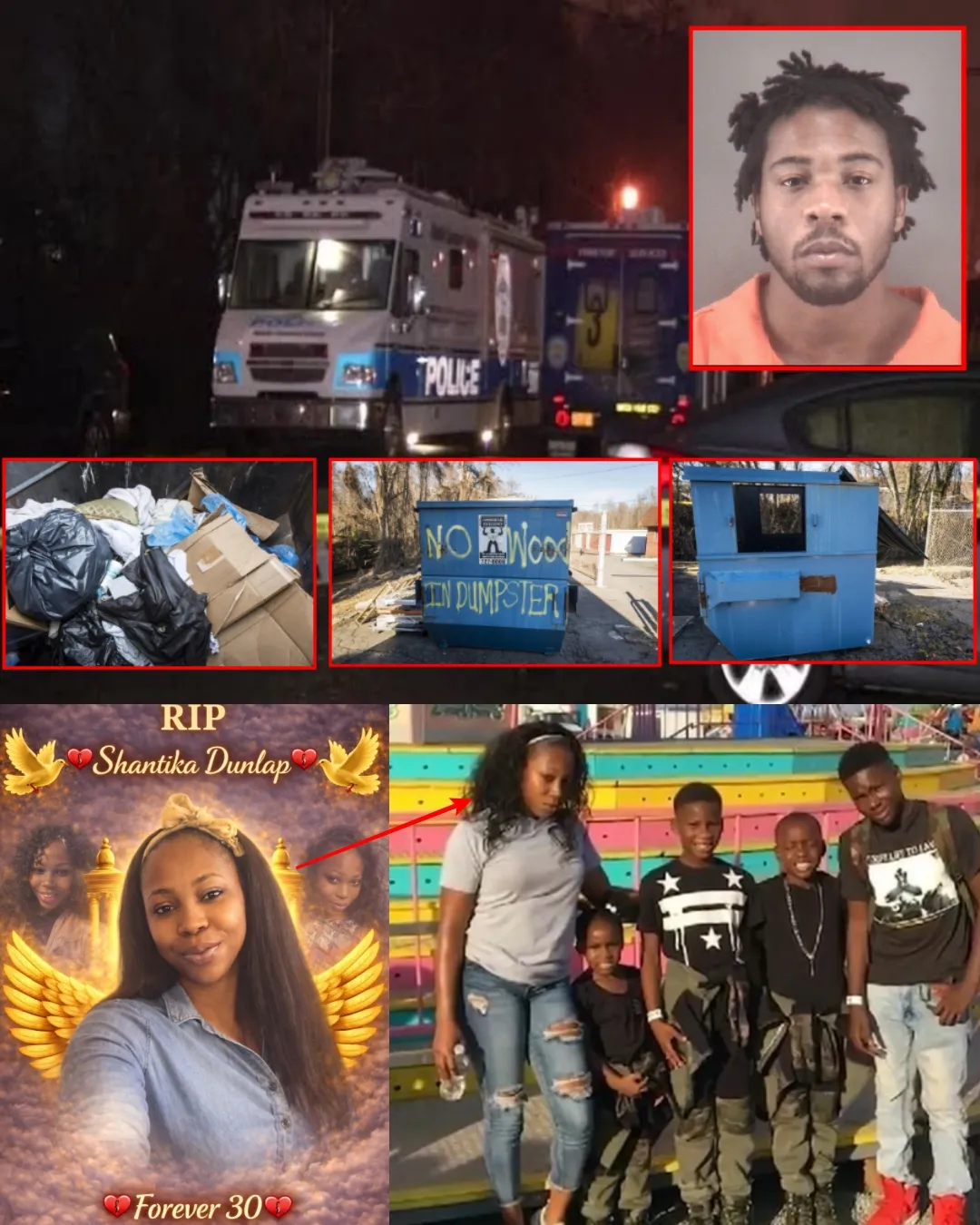
In Winston-Salem, Christmas lights are beginning to appear in windows and along quiet streets, but for one family, the season has already been broken beyond repair.
Shantika Lashae Dunlap was thirty years old, a mother of four, and in just days, her children will wake up to a Christmas they never imagined having to face without her.
Her children are between the ages of six and thirteen.
They are old enough to understand loss, but far too young to carry it.

“This is gonna be the worst Christmas of my life,” said Shantika’s mother,
Latonia Mayes, her voice heavy with a grief that words cannot soften.
She called her daughter by her nickname, Tika, the name that belonged to family memories and everyday love, not police reports.
Before the investigation, before the sirens and headlines, Shantika was simply a mother doing her best.
She was raising four children, managing life one day at a time, balancing responsibility with care and determination.
She was not perfect, but she was present.
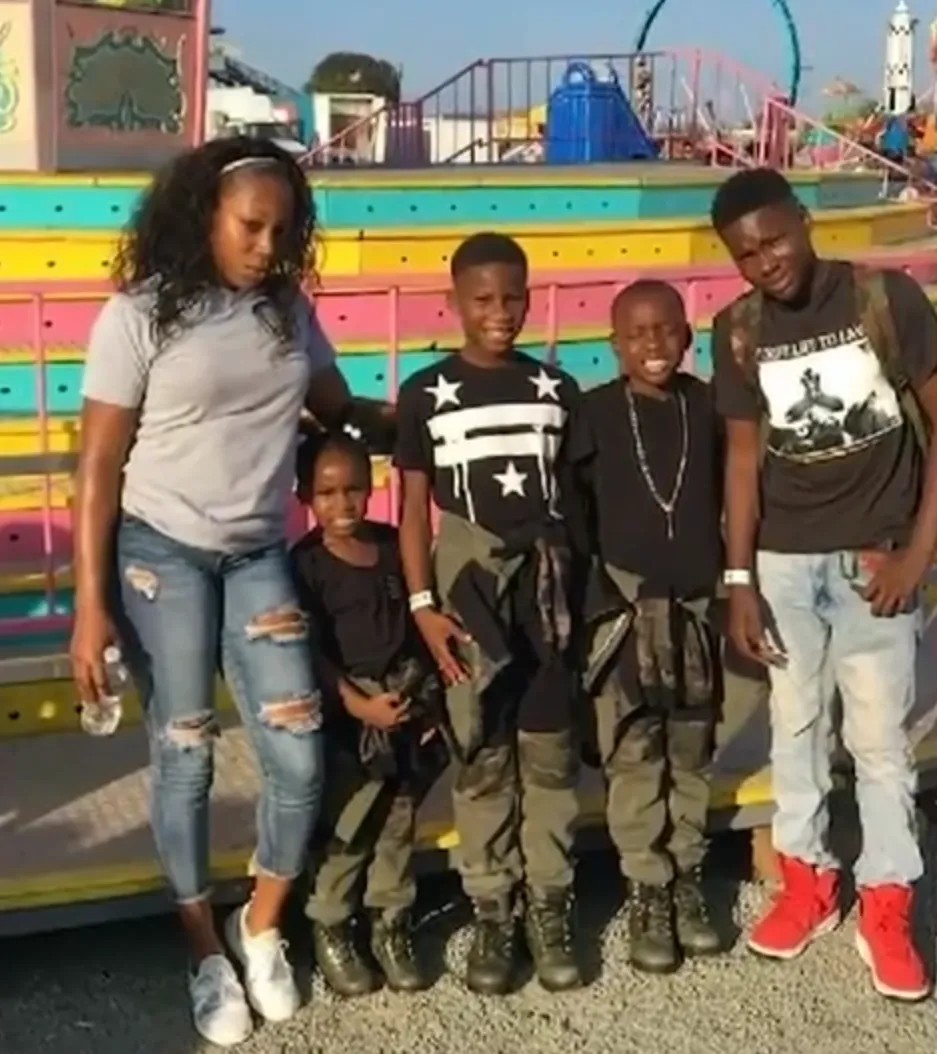
And for her children, that presence was everything.
Shantika was reported missing on Thursday, according to police, after her boyfriend contacted authorities.
Detectives later said he was the last person to see her, the day before she disappeared.
When Shantika stopped answering her phone, her family felt the shift immediately.
A silence like that does not arrive without reason.

They knew something was wrong.
Mothers know when their children are in danger, and this mother felt it in her bones.
“Whoever did this, they are a monster,” Mayes said, her words sharp with pain and disbelief.
No parent should ever have to speak about their child in the past tense.
Days passed with questions and no answers.
Every hour without contact stretched into agony, filled with imagined outcomes no family wants to confront.

On Saturday, deputies with the Forsyth County Sheriff’s Office announced a grim development.
A suspicious item had been found in a dumpster behind a business.
That item was later confirmed to be Shantika’s body.
The hope that lingered, no matter how fragile, collapsed in an instant.
“I don’t wish this on my worst enemy,” Mayes said.
“It’s a nightmare. Just wondering, wondering, wondering. Where your child at. Where my child at.”
The questions do not stop when answers arrive.
Sometimes they only become heavier.
Shantika’s death is now being investigated jointly by the Winston-Salem Police Department and the Forsyth County Sheriff’s Office.
Authorities have referred to the case as a death investigation, and an autopsy was scheduled for Tuesday.
Police have confirmed that they do have a person of interest.
But for the family, the waiting is its own form of suffering.
“They could have did what they did and just put her out. Let her go,” Mayes said.
“They didn’t have to take it this far.”
Those words hang heavy because they come from a place of unimaginable restraint.
A mother searching for dignity for her child, even in death.
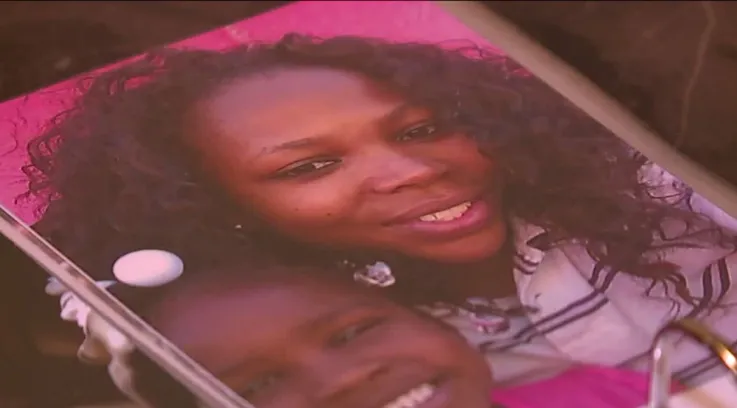
On Monday, Mayes sat in her living room, flipping through a photo album filled with memories.
Pictures from family gatherings, birthdays, ordinary moments that once felt small and now feel priceless.
Each photograph carried a version of Shantika that no investigation can capture.
A smile.
A laugh.
A moment frozen before everything changed.
“Christmas will never be the same for me ever again,” Mayes said.
“But I gotta be strong, because I got four grandbabies to take care of.”
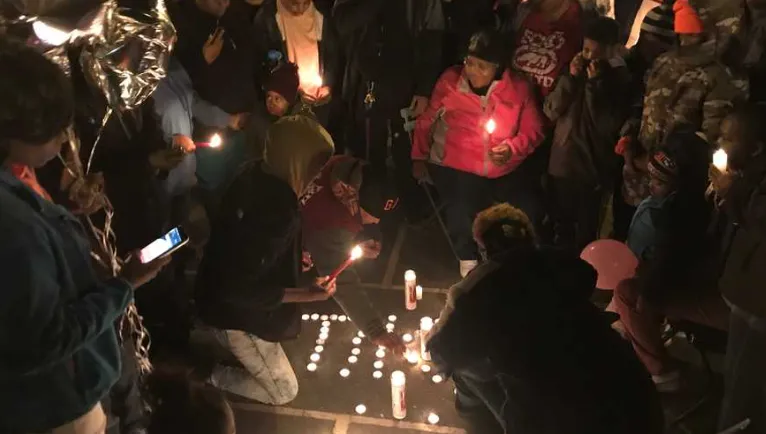
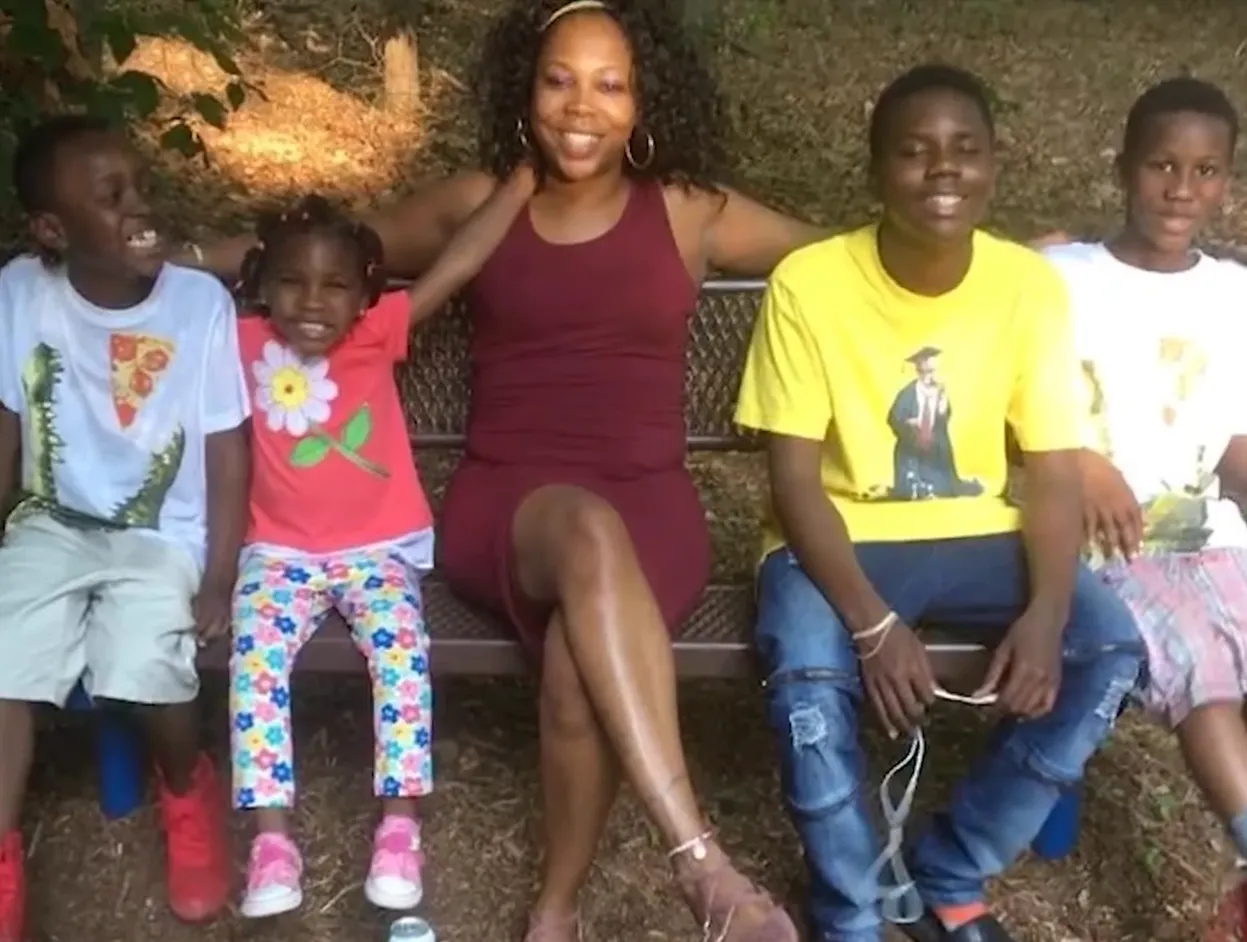
Those four children are now preparing for a life without their mother.
They will be moving in with their grandmother and grandfather, trading familiarity for survival.
The oldest will turn fourteen on Wednesday.
A birthday that should have meant cake and celebration will instead arrive under the shadow of loss.
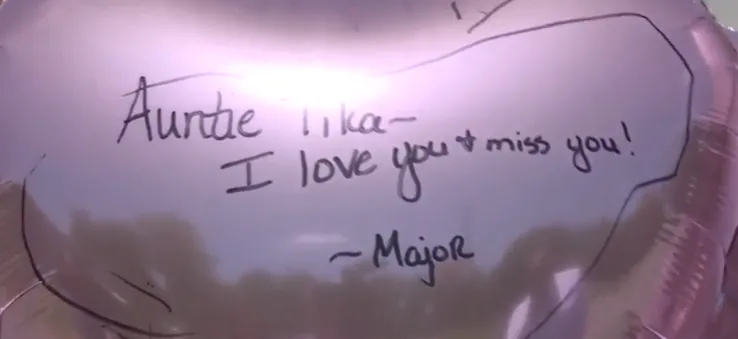
“I’m gonna miss my baby,” Mayes said.
“Her brother gonna miss her. Her aunties. Her children, we’re all gonna miss her.”
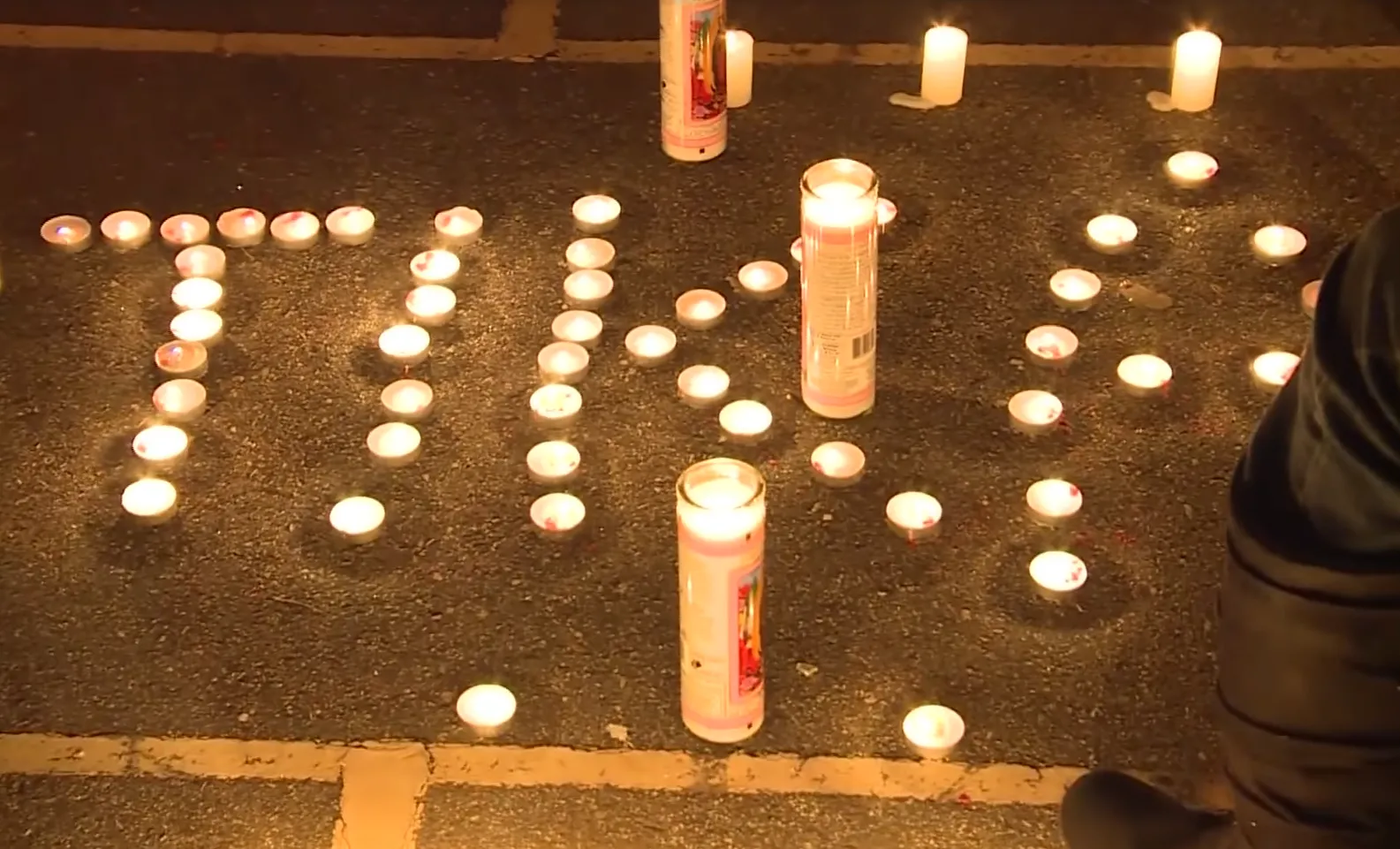
Grief in this family does not belong to one person.
It stretches across generations, filling rooms with silence where laughter once lived.
Investigators continue to work through the details of Shantika’s final days.
What happened.
Who was involved.
Why she was taken and discarded as if her life held no value.
But to her family, her value was immeasurable.
“She was a good girl,” Mayes said softly.
“She was a good girl.”
Those words carry the weight of defense and love, spoken into a world that has already judged through speculation and rumor.
They are the words of a mother insisting that her daughter be remembered as a person, not a case.
For Shantika’s children, memories of their mother will now be shaped by absence.
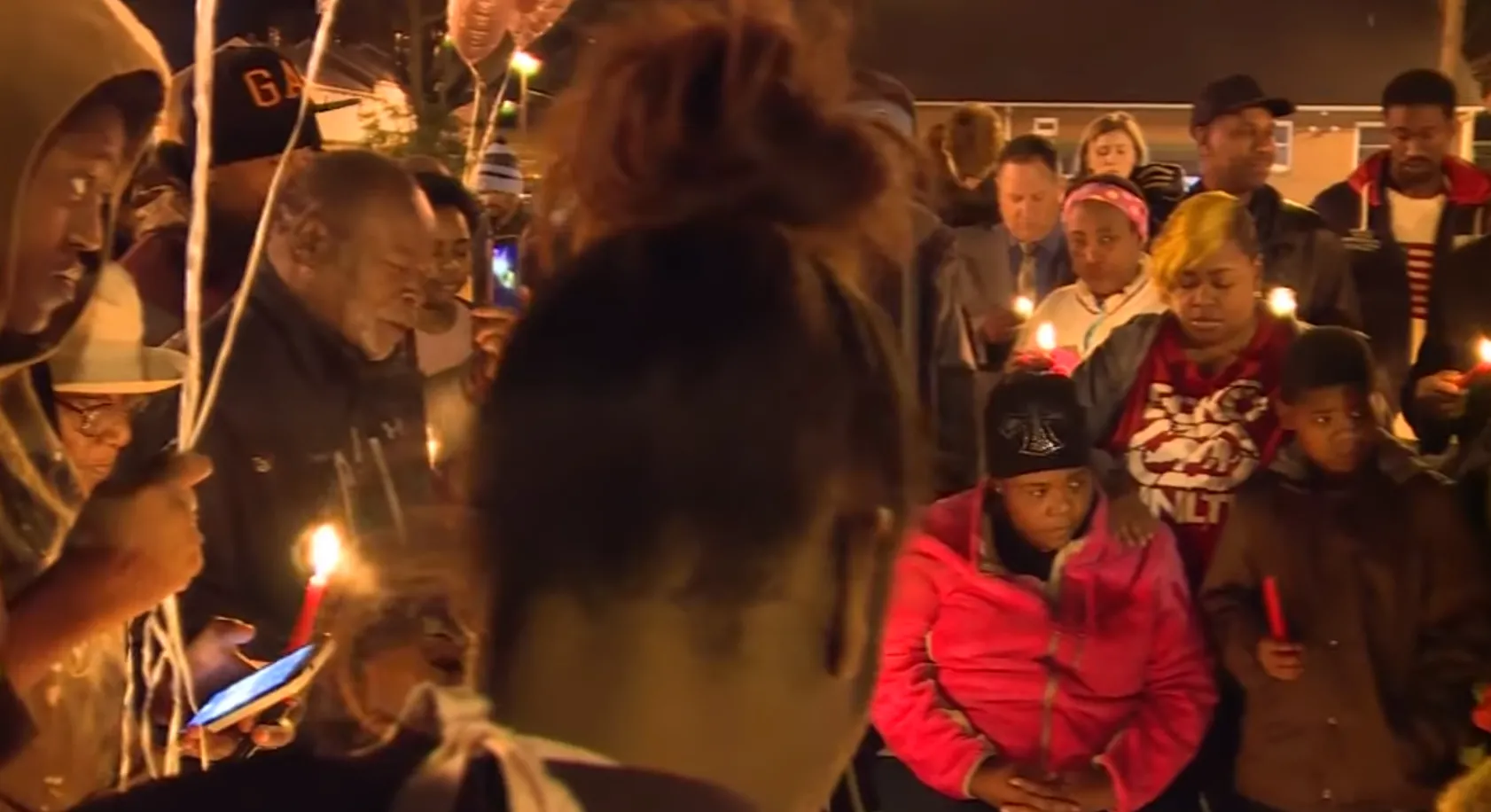
They will remember her voice, her routines, the way she moved through their lives.
They will also grow up with questions they did not choose to ask.
Why did this happen.
Why didn’t she come home.
As the investigation continues, attention will shift to evidence, timelines, and legal processes.
But for this family, time has already split into before and after.
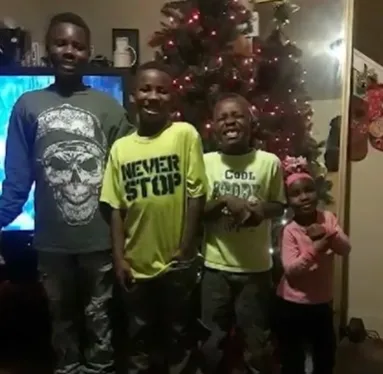
Before the phone stopped ringing.
Before the dumpster.
Before Christmas became something to endure instead of celebrate.
Shantika Lashae Dunlap was thirty years old.
She was a mother.
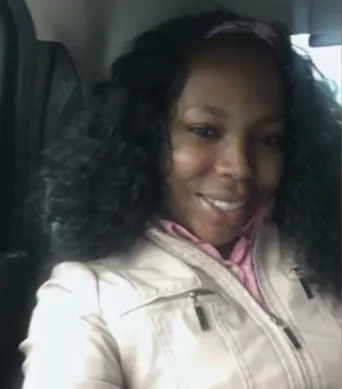
She was a daughter.
She was loved.
Her children will spend this Christmas without her arms around them, without her voice in the room, without the future she was still building for them.
That is the cost that no headline can fully explain.
As her family waits for answers, one truth remains unshaken.
Shantika mattered.
And she should be remembered not for how her life ended, but for the love she left behind, and the four children who will carry her name, her memory, and her absence with them for the rest of their lives.
The Last Gift: Holly Butcher’s Message to the World 167
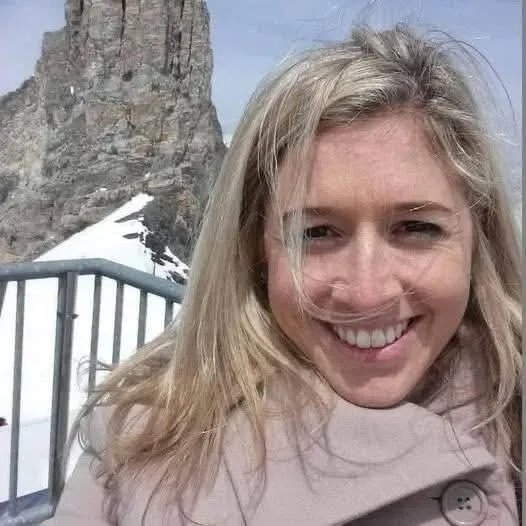

Twenty-four hours before she passed away from cancer, Holly Butcher, just 27, wrote a letter to the world.
It wasn’t a plea for sympathy. It wasn’t a final lament. It was a gift—a gentle, powerful reminder of how beautiful life is, and how easily we forget.
Holly called it simply: “A bit of life advice from Hol.”
She began with the raw truth most of us spend a lifetime avoiding:
“It’s a strange thing to come to terms with your own mortality at 26.”
Like many, she had dreams—of love, children, laughter, and growing old. But cancer had other plans. In the face of a future she would never have, Holly did something remarkable: she focused on the present. And in doing so, she gave us all a roadmap for how to live better—while we still can.
Her message was clear:
Don’t sweat the small stuff.
Life is fragile, and tomorrow isn’t promised. The things we obsess over—traffic, bills, appearance—fade in the shadow of what truly matters.
Appreciate your body.
Not for how it looks, but for what it does. Move it, nourish it, celebrate it. “Stop hating it,” she wrote, “and stop fixating on flaws that won’t matter in the end.” Instead, step outside. Breathe in fresh air. Let the sun hit your skin. Feel alive.
Choose experience over things.
Don’t skip a beach trip because you bought another outfit. Don’t wait to write that heartfelt note or say “I love you.” Time is the currency that matters most—spend it well.
Be kind. Be present. Be generous.
Holly urged us to give—our time, our help, our hearts. “Whine less, help more,” she said. Put down your phone. Look into someone’s eyes. Listen fully. Love loudly.
She didn’t speak of chasing perfection, promotions, or the curated lives we often chase online. Instead, she reminded us to do what makes us truly happy. To let go of things that drain us. And to change what makes us miserable.

And perhaps her most urgent request:
Donate blood.
It gave Holly an extra year with her loved ones. A year filled with laughter, memories, and love. “That gift meant everything,” she wrote.
Her final words?
“’Til we meet again.”
In her last hours, Holly Butcher gave us what many never manage in a lifetime: perspective. Not polished, not filtered—just true. A young woman staring death in the face and choosing to spend her energy not on fear, but on light.
Her voice lives on, not just in words, but in every person who slows down to feel the breeze, hugs a friend tighter, says “I love you” without hesitation, or donates blood to save a life.
Holly didn’t get the years she deserved.
But she gave the rest of us something priceless:
A reason to live now.