Beaten, Broken, but Alive: Noah Epperson’s Long Road to Recovery 4178
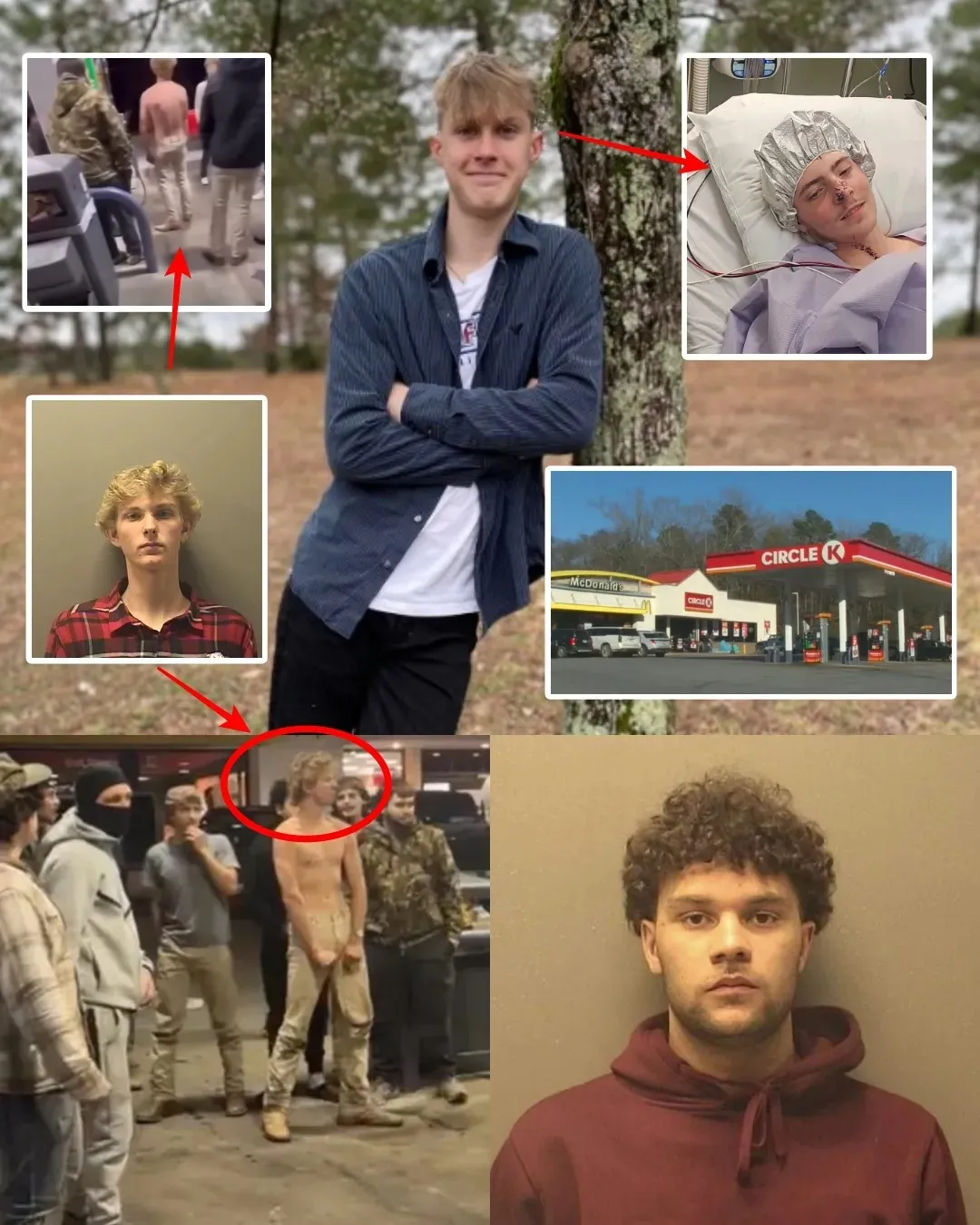
A Story of Survival, Violence, and a Family’s Demand for Justice
The night of January 17 did not begin with fear.
It began like many weekends do for young people in Hot Springs, with conversations, gatherings, and the assumption that everyone would make it home safely.
By the end of the night, one young man would be unconscious on cold pavement, his life hanging in the balance.
Just after 11:30 p.m., police were called to a Circle K gas station on Malvern Avenue.
When officers arrived, they found 20-year-old Noah Epperson lying on the ground, unresponsive.
The scene was chaotic, marked by flashing lights, shaken witnesses, and a violence that had already passed.
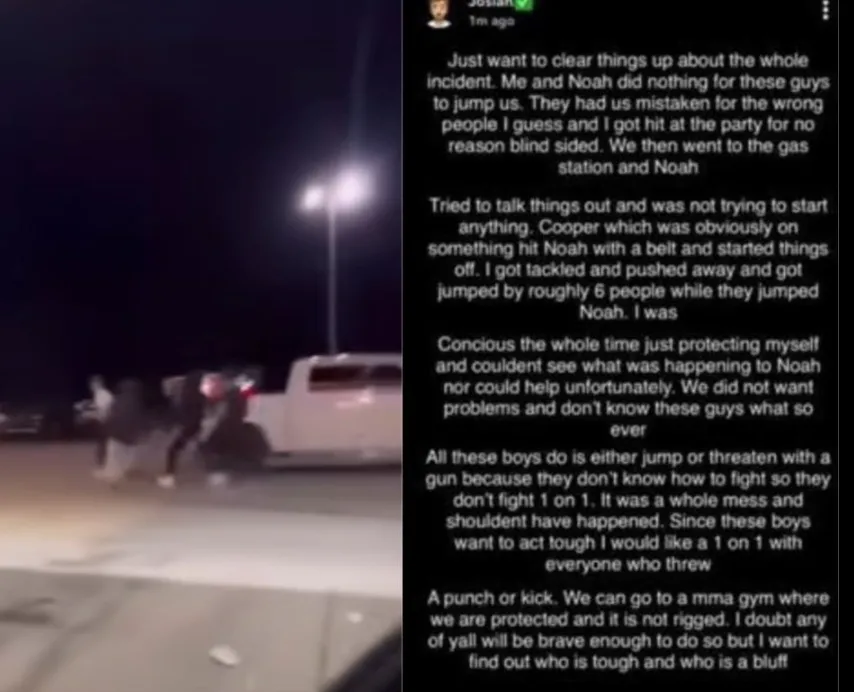
Video evidence quickly became central to the investigation.
Footage shown to officers captured an 18-year-old, later identified as Cooper Camferdam, stomping on Noah’s head.
The blow rendered Noah unconscious.
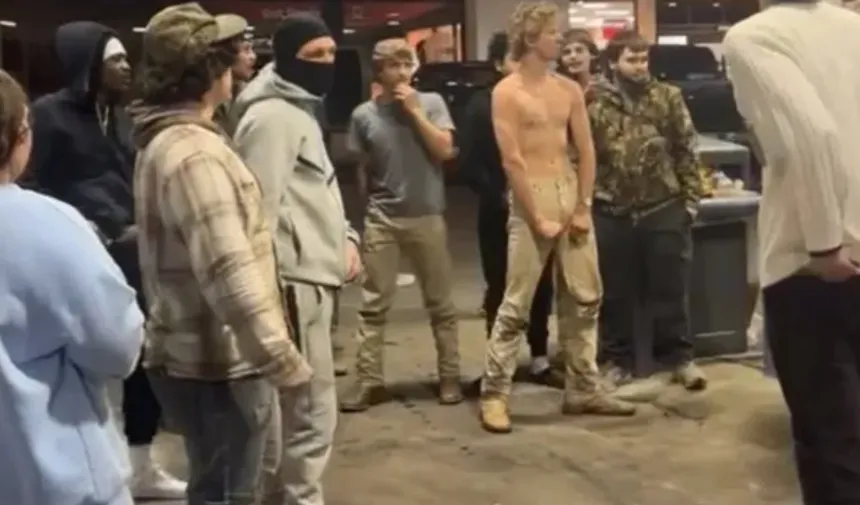
The assault did not come out of nowhere.
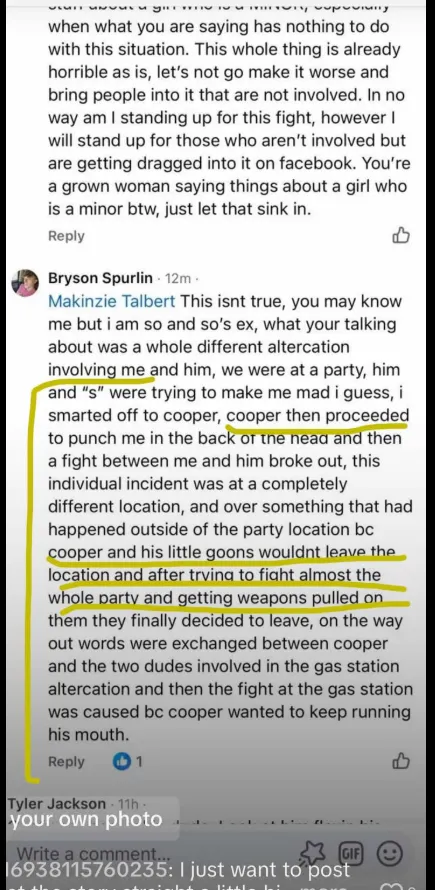
Police say it stemmed from an earlier confrontation at a party.
What began as a dispute followed Noah and others to the gas station, where it escalated instead of ending.
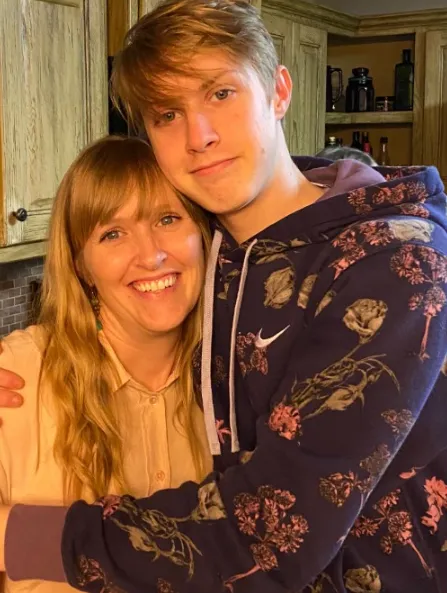
Noah’s mother, Katie Epperson, was at home when the call came.
A friend told her something had happened to her son and that he was being taken to the hospital.
In moments like that, time collapses into panic.
Katie rushed to the hospital not knowing whether her son would survive.
Doctors soon revealed the extent of Noah’s injuries.
They were severe, frightening, and life-altering.
Noah suffered a fractured skull and a fractured jaw.
His body showed extensive bruising, deep scratches to his head, and ears that had turned dark purple from trauma.
Doctors also feared possible brain bleeding or swelling.
He was admitted to intensive care.
Machines monitored his brain, his breathing, his every movement.
For his family, each hour became a vigil.
Katie said the waiting was unbearable.
She watched monitors instead of her son’s eyes, listening for any sign of improvement.
Every update carried both hope and dread.
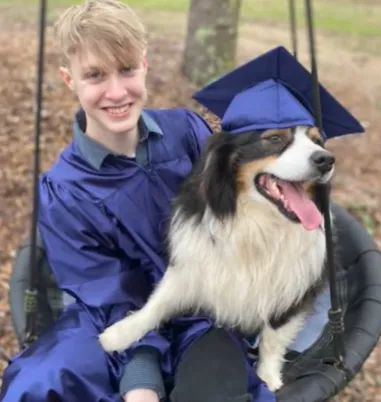
Against the worst fears, Noah eventually regained consciousness.
His awakening brought relief but not certainty.
Doctors cautioned that the full extent of brain injury can take time to reveal itself.
After days in the hospital, Noah was finally released from intensive care.
He was sent home to rest and recover under close supervision.
A follow-up CT scan was scheduled to check for internal injuries that may not yet be visible.

For Noah, recovery is not just physical.
Head injuries often carry long-term consequences that unfold slowly.
Memory issues, headaches, cognitive changes, and emotional shifts remain unknowns.
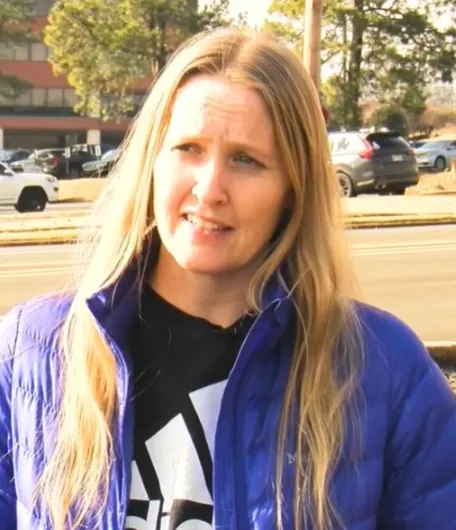
Katie Epperson spoke publicly with KARK-TV, balancing gratitude with fear.
She said she was thankful her son was alive.
But she also made clear that survival does not erase accountability.
The family does not have health insurance.
Medical bills continue to arrive even as Noah struggles to heal.
Katie insists that those responsible should be held fully accountable for the costs and consequences.
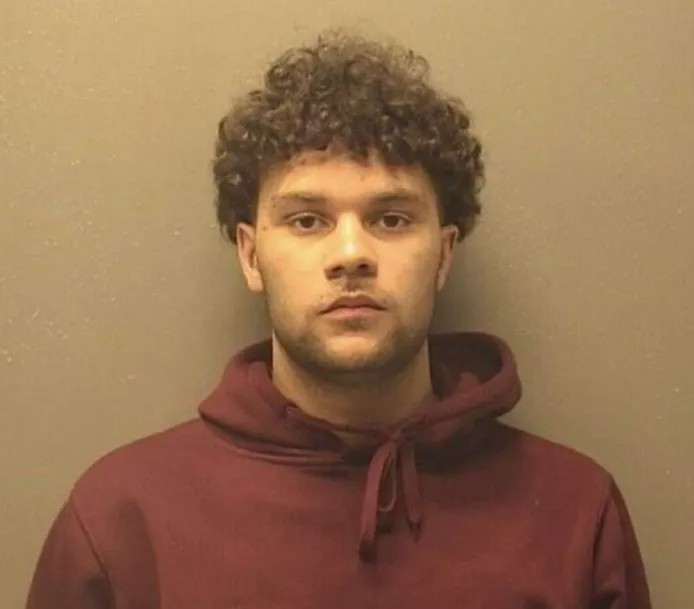
Police arrested Cooper Camferdam, 18, of Benton.
He was charged with first-degree battery, a Class Y felony under Arkansas law.
The charge carries the possibility of decades in prison.
Camferdam appeared in court on January 21.
A judge set his bond at $500,000.
He remains in custody as the case proceeds.
Authorities later announced that a second suspect had also been arrested.
Marcus Ellison Jr., another 18-year-old, faces the same first-degree battery charge.
Police believe the assault involved multiple people.
Investigators have not ruled out additional arrests.
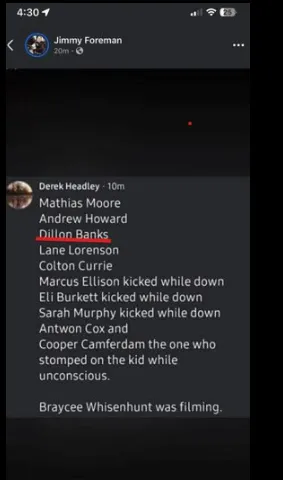
They are reviewing video footage, witness statements, and social media posts.
Police have also expressed concern about bystanders who filmed instead of intervening or calling for help.
Another victim, identified as Josiah, later spoke publicly about the incident.
He said neither he nor Noah knew the group that attacked them.
According to Josiah, they were wrongly targeted from the start.

Josiah explained that the trouble began at a party.
He said he was assaulted there and that the group then followed them to the gas station.
What he hoped would be a conversation turned into another attack.
Unlike Noah, Josiah remained conscious throughout his assault.
That awareness, he said, made it even more terrifying.
He was unable to help Noah while watching the violence unfold.
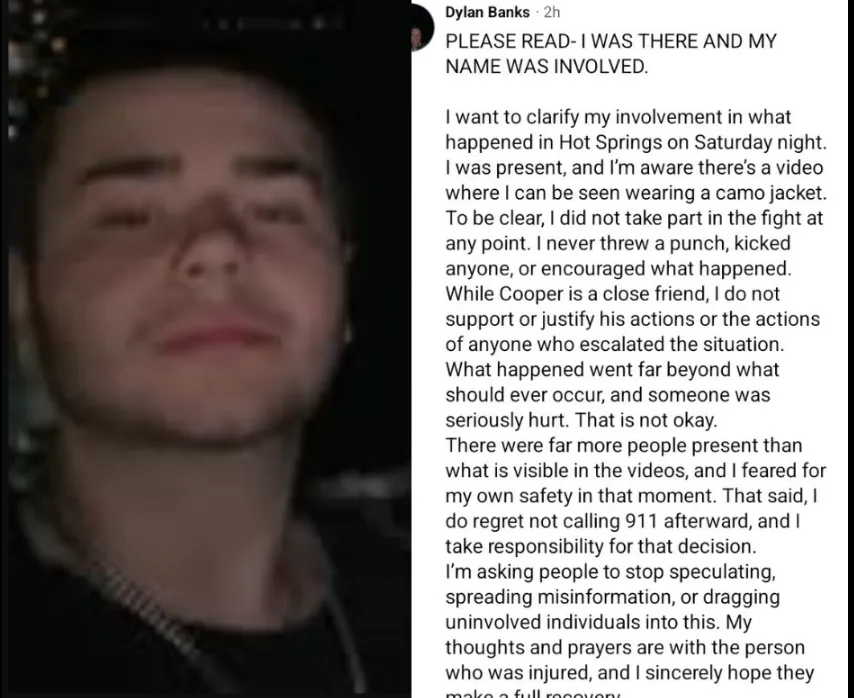
Josiah claimed that Cooper Camferdam appeared to be “on something.”
He said Camferdam was the one who set things off at the gas station.
His account painted a picture of escalation fueled by aggression, not resolution.
In a moment that drew attention online, Josiah later issued a challenge.
He offered any of those involved in the assault the chance to meet one-on-one.
The statement reflected anger, trauma, and a desire to reclaim dignity.
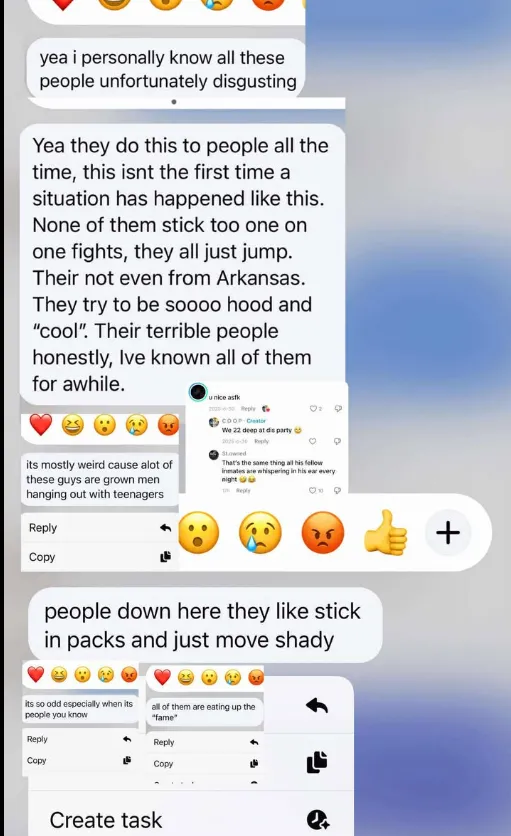
Meanwhile, public reaction to the case intensified.
Videos of the assault circulated widely on social media.
With them came commentary, outrage, and disturbing defenses of violence.
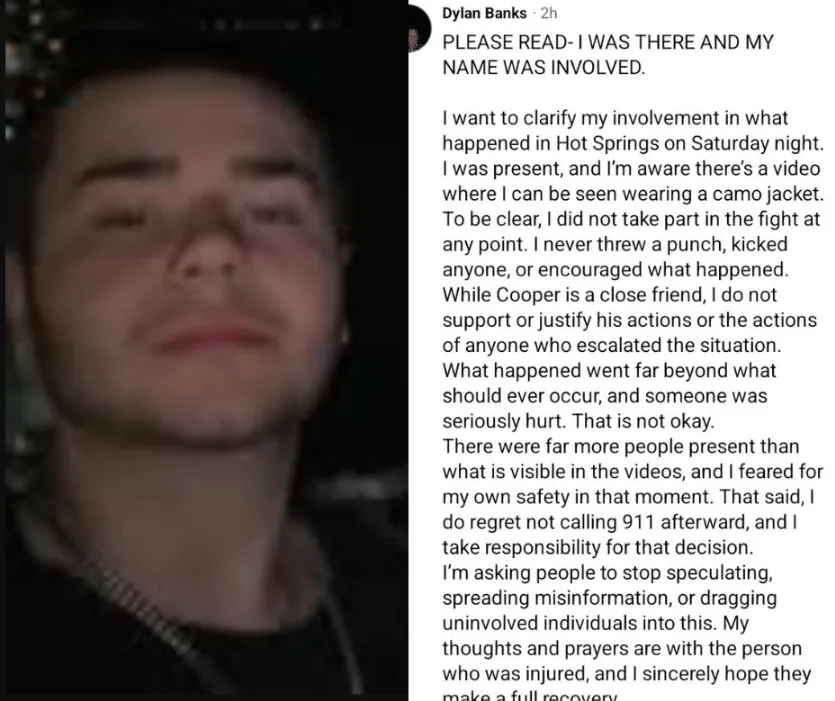
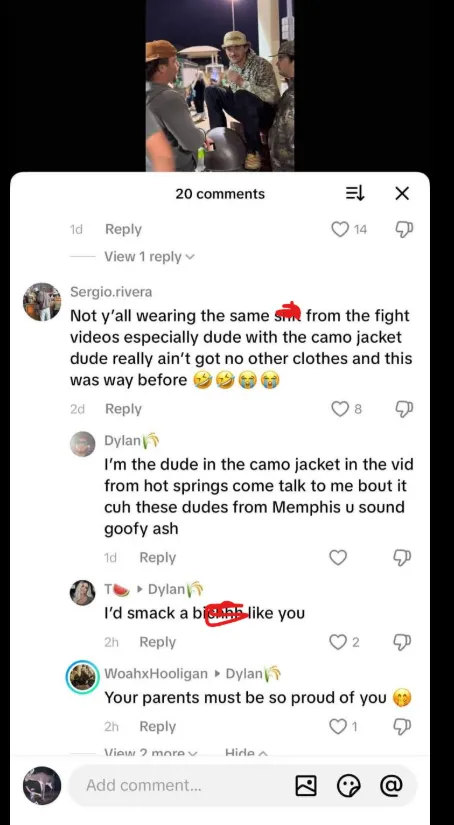
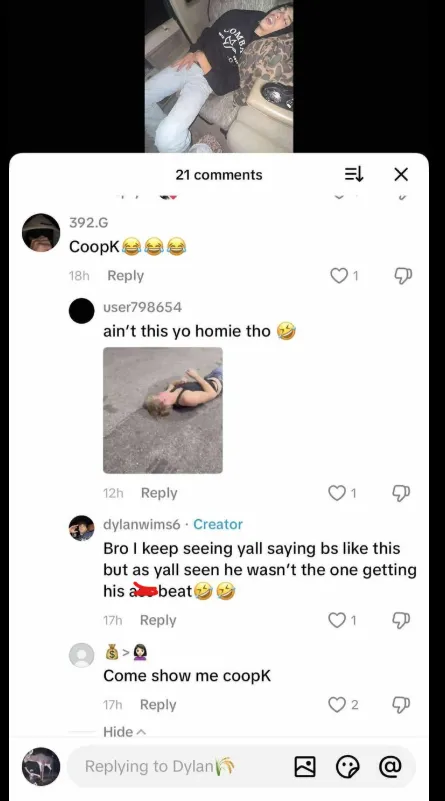
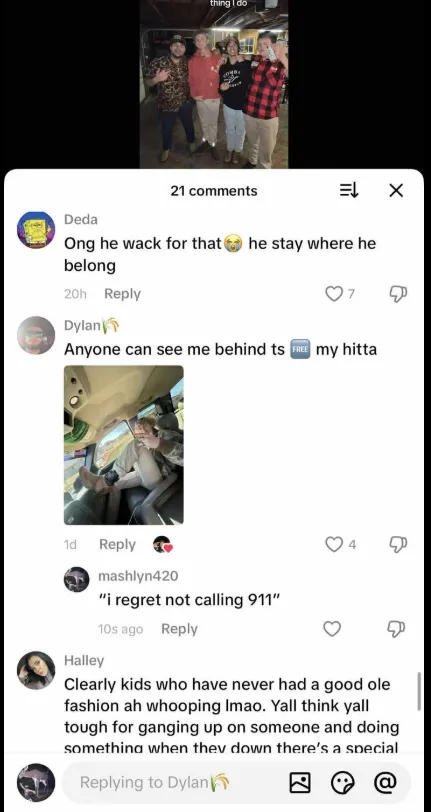
One individual known online as Dylan, seen wearing a camouflage jacket in footage, initially expressed regret.
He claimed he was sorry for not calling 911 during the assault.
But that tone would not last.
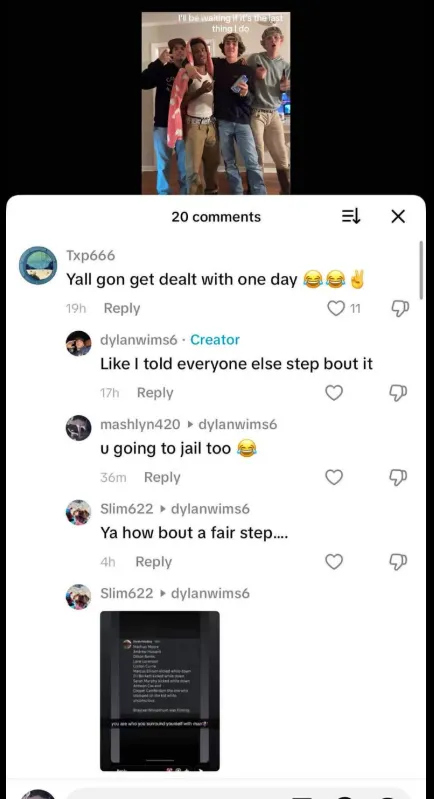
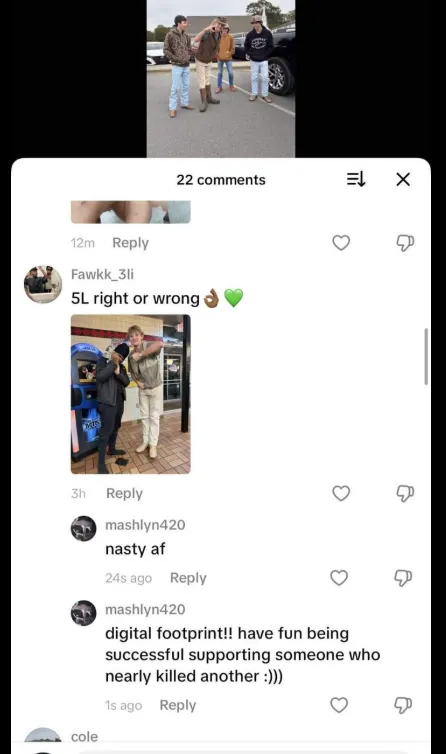
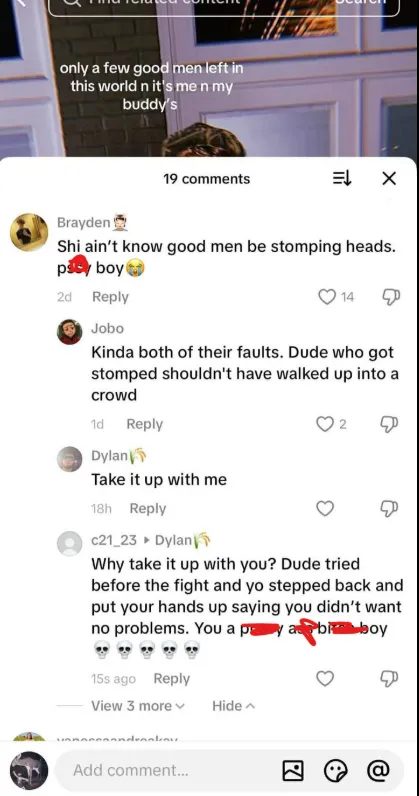
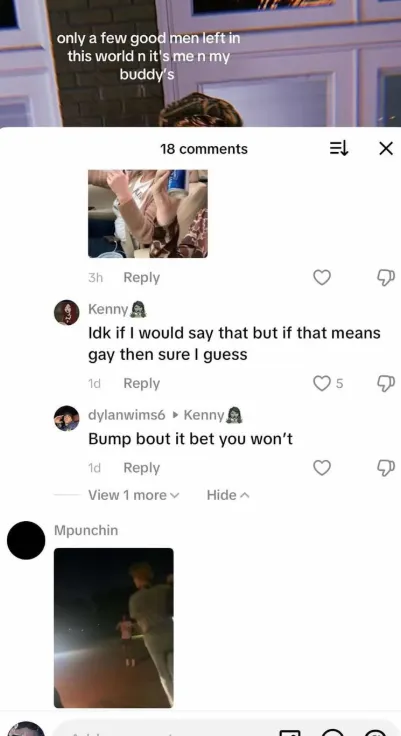
In the comments of a viral TikTok, Dylan shifted his stance.
He defended Cooper Camferdam and referred to those involved as “good men.”
He expressed pride in the outcome of the assault.
Dylan also called for Camferdam to be “freed.”
He implied the attack was the result of a fair fight.
He threatened anyone who criticized him or his friends.
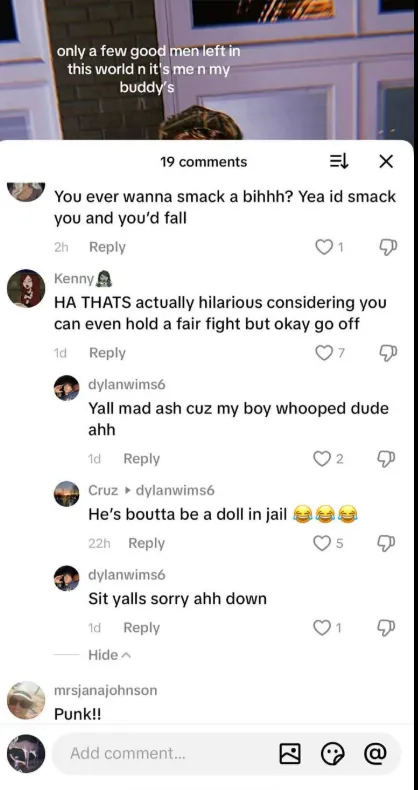
The comments shocked many who had believed earlier apologies were sincere.
They raised questions about accountability, remorse, and group mentality.
What someone says publicly often reveals more than what they say when consequences are immediate.
For Katie Epperson, those comments cut deeply.
They suggested that some involved felt no responsibility for what happened to her son.
Pride, in this context, felt like cruelty.
Noah’s injuries were not minor.
A stomp to the head is not a fight—it is potentially lethal force.
Doctors confirmed that Noah could have died.
Even now, long-term damage remains a possibility.
Brain injuries can change a person’s life permanently.
The Noah who recovers may not be the same Noah who was attacked.
Katie has called repeatedly for justice.
Not revenge, but accountability.
She wants the system to reflect the seriousness of what was done.
She also wants the public to understand the reality behind viral clips.
What looks like a few seconds of violence can mean a lifetime of consequences.
For families, those consequences are carried every day.
Police continue to investigate the actions of everyone present.
They are examining who participated, who encouraged, and who stood by.
Filming violence without helping may not be illegal in every case, but it carries moral weight.
The Circle K gas station has returned to normal operations.
Cars stop for fuel, customers come and go.
But for Noah’s family, the place will never feel ordinary again.
Every follow-up appointment carries anxiety.
Every headache is questioned.
Every moment of confusion is feared.
For Noah, healing will take time.
Rest, monitoring, and medical care now define his days.
The future remains uncertain.
For the suspects, the legal process has only begun.
Charges have been filed, bonds set, and court dates scheduled.
Accountability moves slowly, but it moves.
This case has become a reminder written in the hardest way possible.
Group violence escalates quickly and ends lives.
What begins as confrontation can become irreversible tragedy.

Noah Epperson survived.
That alone is not justice.
Justice, his family says, means responsibility and truth.
As the investigation continues, the community watches closely.
They watch for arrests, court rulings, and consequences.
And they watch a young man fight to recover from something that never should have happened.
🕊️ Noah Epperson is home, healing, and alive.
But survival does not erase trauma.
And this story is far from over.
From Bystander to Defendant: The Shocking Role of Amanda Hernandez in a Brutal Home Invasion 4234
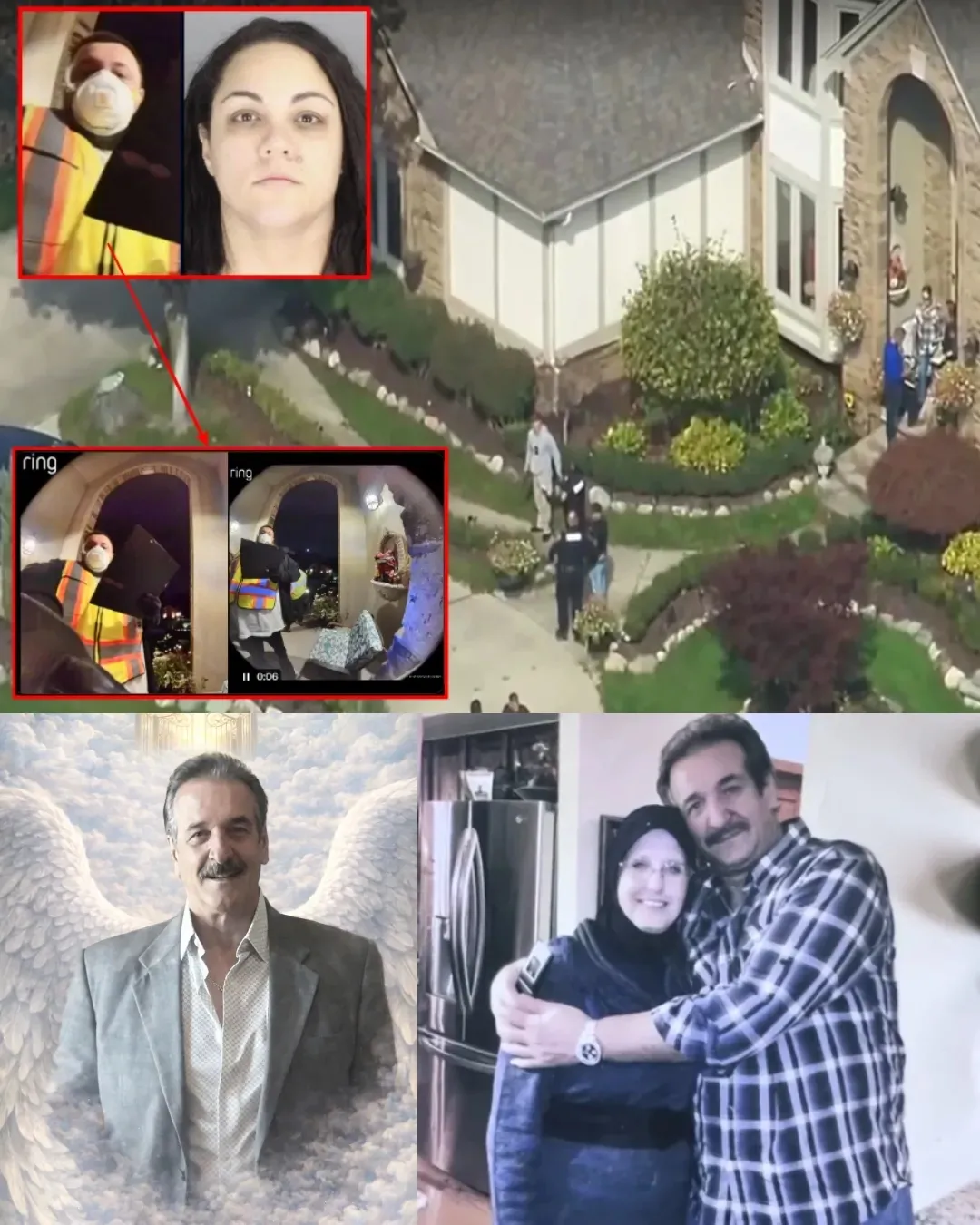
In Michigan, a case that once seemed settled has reopened old wounds and raised new questions, as prosecutors now say the story behind a brutal home invasion and murder stretches further than anyone first believed.
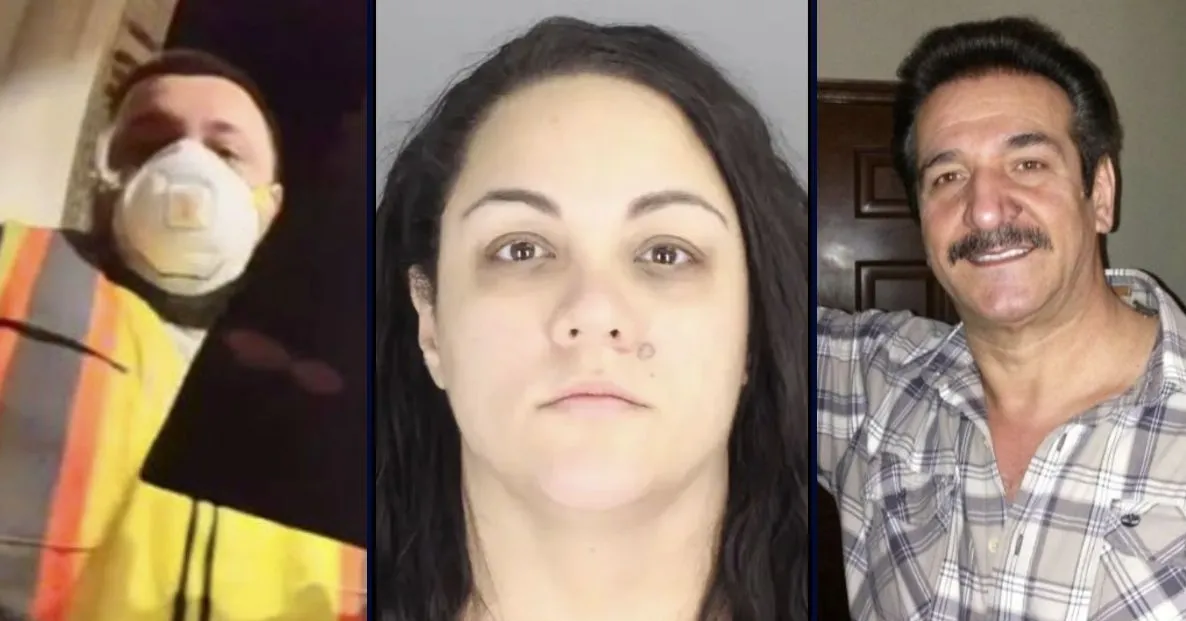
At the center of this new chapter is Amanda Ileana Hernandez, a 34-year-old woman who once stood on the sidelines while her husband was tried and convicted, but who is now facing serious criminal charges of her own.
Her husband, Carlos Hernandez, was sentenced to life in prison in December 2025, alongside his co-defendant, Joshua Zuazo, after a jury found them guilty of a violent crime that shocked an entire community.
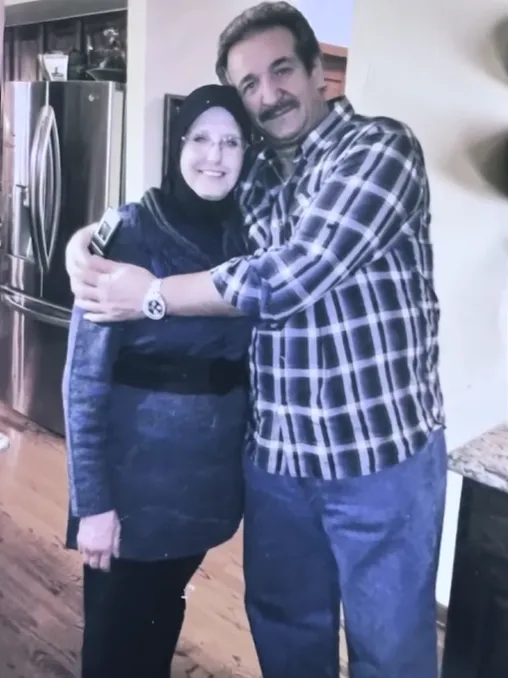
The victim was Hussein Sam Murray, a 72-year-old man whose life ended inside his own home during what prosecutors described as a calculated and ruthless invasion.
The crime took place in October 2024, inside an upscale neighborhood in
Rochester Hills, a place where residents believed safety was a given and danger was something that happened elsewhere.
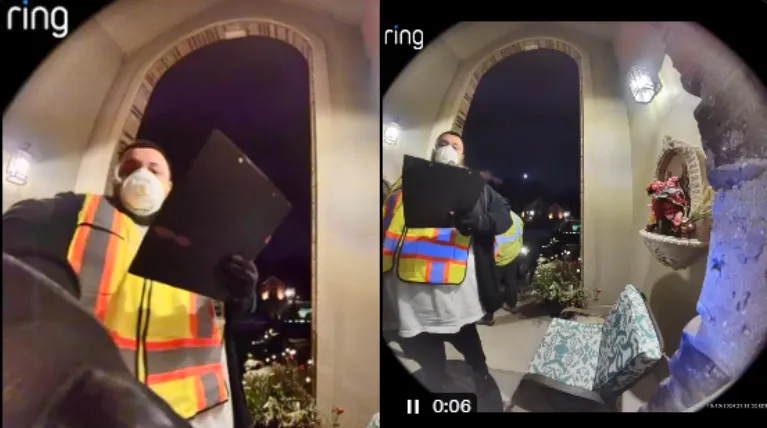
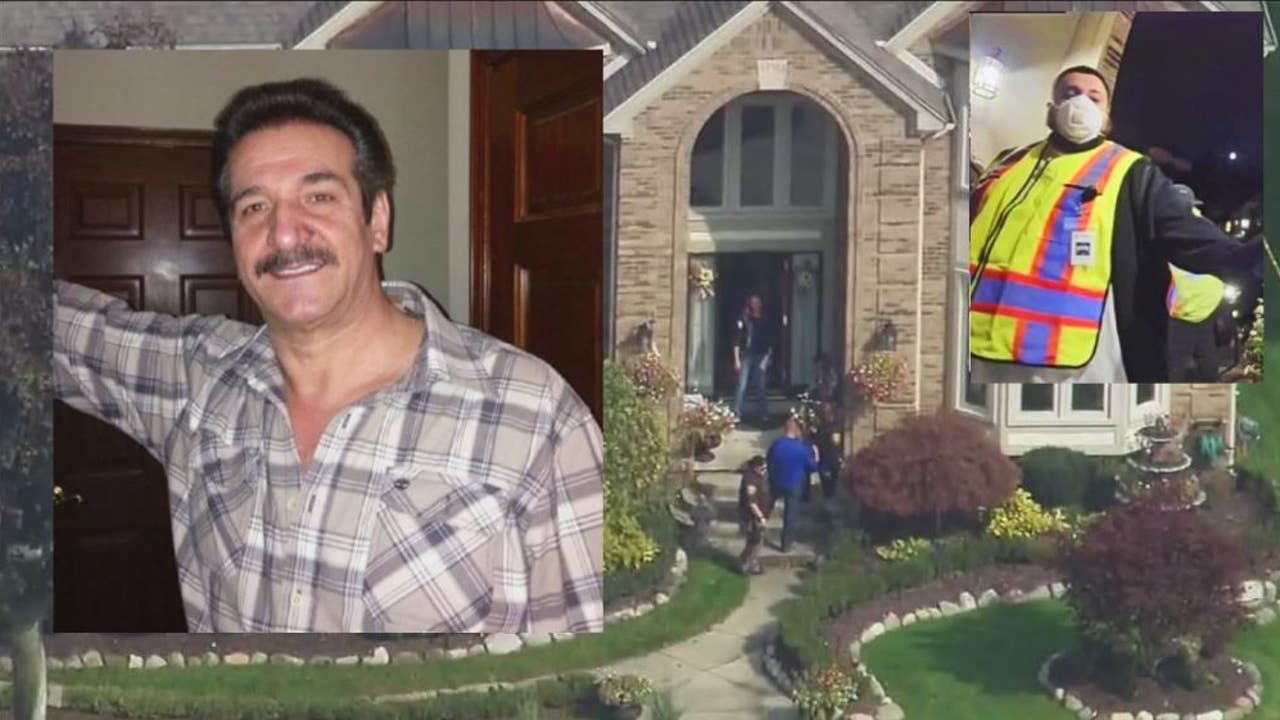
According to investigators, that sense of security was shattered when two men posing as utility workers arrived at the Murray home, wearing fake badges and presenting themselves as employees of
DTE, the local gas provider trusted by countless households.
Prosecutors say the deception worked, at least at first, allowing the men to get close enough to carry out a plan that had already been discussed in painstaking detail long before they ever rang the doorbell.
After one failed attempt to enter the home, the men returned on Oct. 11, 2024, determined to make their plan work no matter the cost.
That day, Murray allowed them into his basement, believing he was cooperating with legitimate workers performing routine duties, unaware that his trust would soon be exploited in the most violent way possible.
Inside the home, prosecutors say Carlos Hernandez and Zuazo tied Murray up and brutally beat him, an assault that ultimately took his life and left a permanent scar on everyone connected to the case.
Upstairs, Murray’s wife was also restrained, helpless as the violence unfolded below her feet.
Despite her fear, she managed to call for help, but responders arrived too late to save her husband, leaving her to live with the memory of those moments and the knowledge that survival came at an unbearable emotional cost.
For more than a year, the focus of the case remained on the two men who physically carried out the killing, with their October 2025 trial laying out the grim details of what happened inside the Murray home.
But during that trial, prosecutors introduced evidence that hinted at something more, something that extended beyond the basement where the beating took place.
They revealed that Amanda Hernandez had allegedly exchanged nearly 100 text messages with her husband in the days leading up to the crime, messages that outlined the planning, anticipation, and expectations surrounding what they believed would be a lucrative robbery.
Those messages, obtained by local NBC affiliate WDIV and presented to the jury, painted a picture not of ignorance or surprise, but of involvement and encouragement, according to prosecutors.
Among the texts was an alleged confirmation from Amanda Hernandez that the fake DTE badges “were delivered,” suggesting that critical tools for the impersonation had already been secured.
Other messages included reminders to “[t]urn your phone off when you’re out there just in case,” advice that prosecutors say reflects an awareness of the criminal nature of the plan and a desire to avoid detection.
She allegedly expressed relief that the men had “a good getaway car,” and warned them to make sure “there was no cameras around,” language that investigators argue shows calculated thinking rather than passive conversation.
Perhaps most chilling, prosecutors say the couple discussed what they would do with the money they expected to steal, turning a violent scheme into a vision of a better life.
The messages allegedly referenced “enough money to buy a house,” and a future without rent, a dream that Amanda Hernandez reportedly described with longing and optimism.
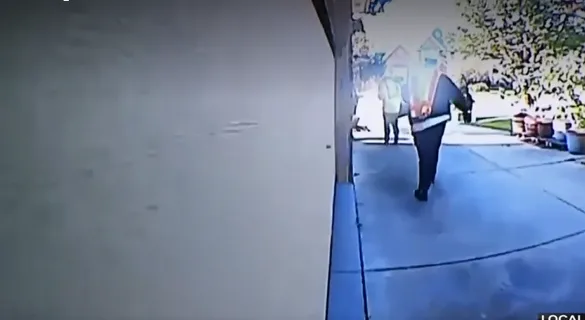
“We can have a nice backyard,” she allegedly wrote, transforming stolen money and deception into an image of domestic peace that now stands in stark contrast to the bloodshed that followed.
For prosecutors, these texts form the backbone of their case against Amanda Hernandez, whom they now accuse of being a conspirator rather than a bystander.
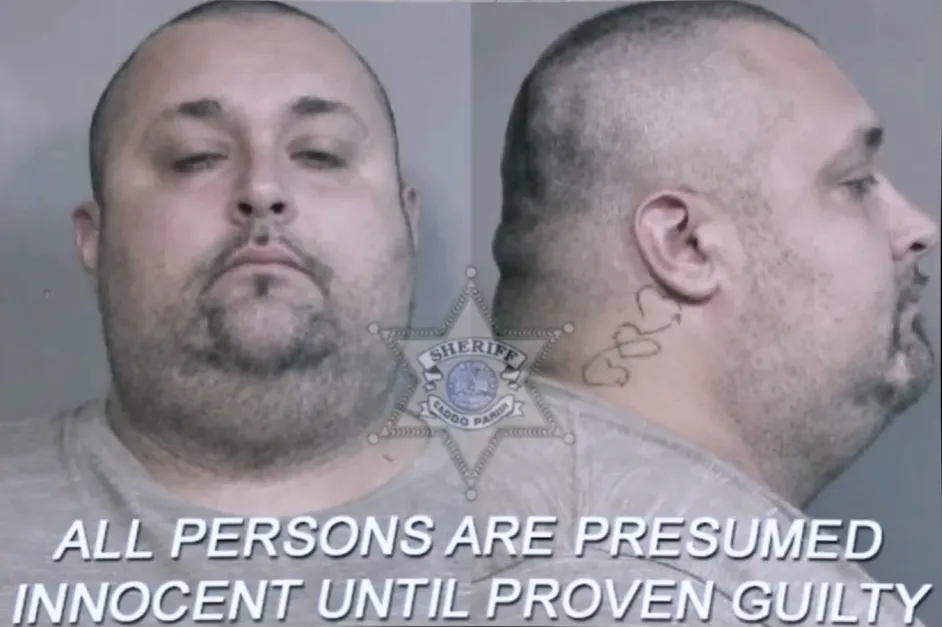
This week, Oakland County authorities formally charged her with conspiracy to commit a first-degree home invasion, accessory after the fact, and conspiracy to commit false impersonation of a utility worker.
She was arrested on Tuesday and booked into the Oakland County Jail, marking a dramatic shift in her role from the spouse of a convicted killer to a defendant facing the criminal justice system herself.
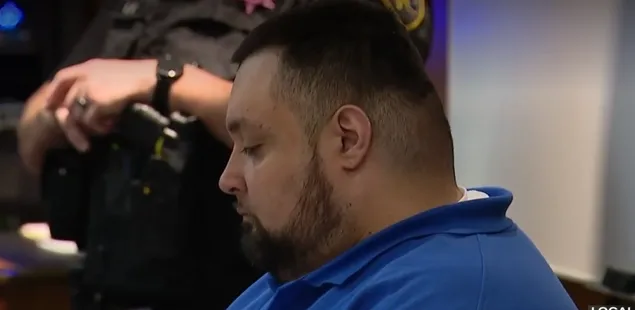
At her court appearance on Wednesday, a judge set her bond at $100,000, a figure that reflects both the seriousness of the charges and the gravity of the alleged conduct.
Prosecutors have made it clear that they intend to hold Amanda Hernandez accountable, arguing that planning a crime from behind a phone screen does not lessen responsibility when the outcome is deadly.
They say the case is a reminder that conspiracies do not end with the people who walk through the door, but include those who help plan, encourage, or enable violence from afar.
Her next court appearance is scheduled for Feb. 9, a date that will likely bring renewed attention to a case many believed had already reached its conclusion.
For the Murray family, each new development reopens grief that never truly fades, forcing them to relive the loss of a husband and the trauma of a night that changed everything.
For the community of Rochester Hills, the charges serve as a sobering reminder that crime does not always look like chaos at first glance, and that trust can be weaponized in devastating ways.
And for Amanda Hernandez, the backyard she once imagined now feels impossibly distant, replaced by a courtroom, a jail cell, and the weight of allegations that tie her dreams directly to a man’s death.
As the case moves forward, one question lingers over every text message and every court filing, asking how far responsibility reaches when words, planning, and ambition quietly pave the way for irreversible violence.