The Canal That Swallowed a Mother: The Tragic Case of Lupita Zúñiga Ontiveros 4296
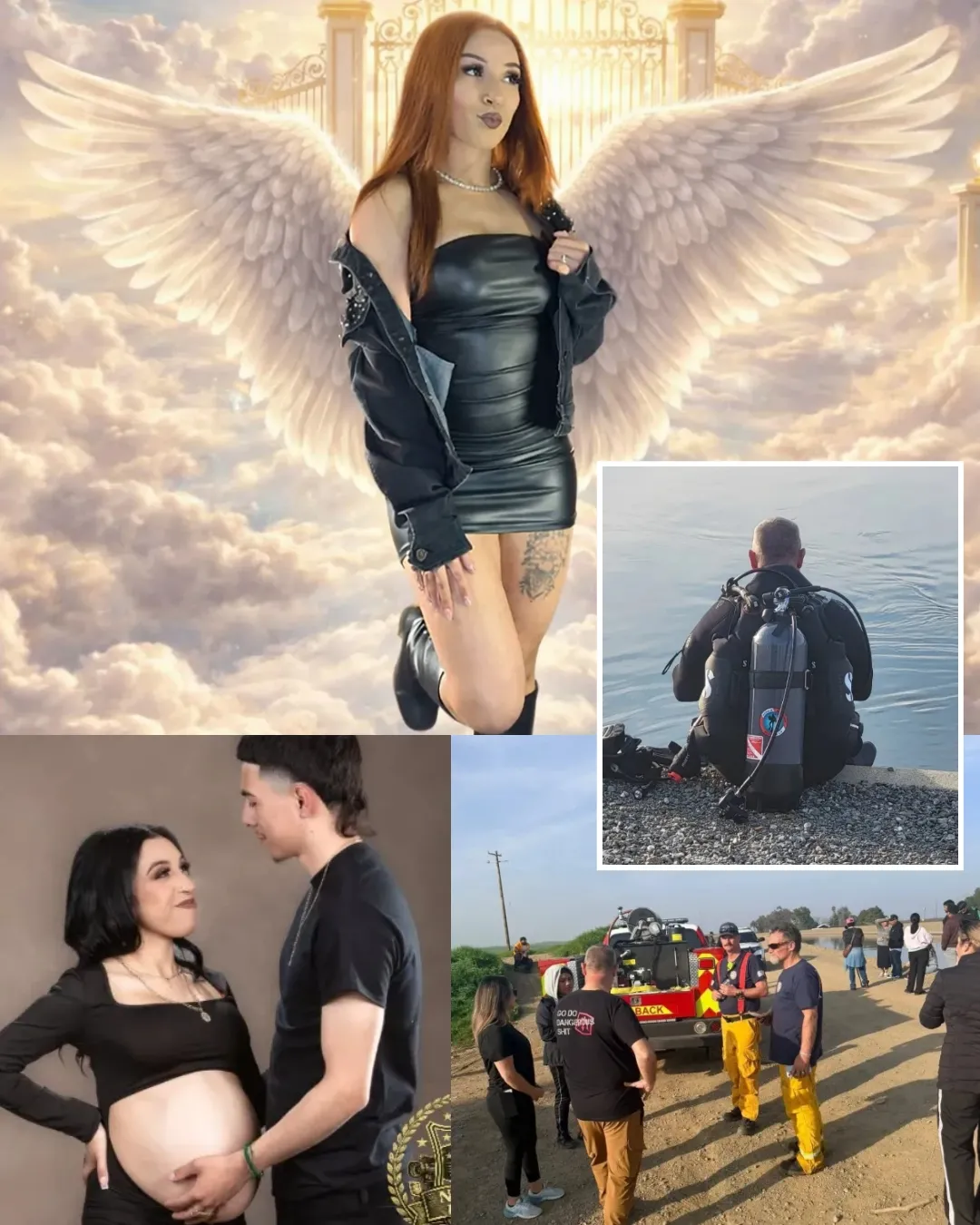
The night began with laughter, the kind that feels light and deserved after a long week.
There were no warnings, no arguments, no signs that anything was wrong.
For one young mother, it would be the last night her family ever heard her voice.
Lupita Lizbeth Zúñiga Ontiveros left home believing she would be back soon.
She was going out with friends, something ordinary and human, a brief escape before returning to her responsibilities.
Her daughter watched her go, unaware that waiting would become her new reality.
Lupita was known as warm, loving, and deeply devoted to her child.
Motherhood shaped her days and anchored her choices.
Everything she did carried the quiet intention of coming home.
That evening, Lupita rode with two female friends and a man in a dune buggy.
They headed toward the Delta-Mendota area near Gustine in Merced County.
It was meant to be fun, not dangerous.
What happened next remains painfully unclear.
For reasons still unknown, the dune buggy veered off course and plunged into a water canal.
The impact shattered the night.
Water rushed in with terrifying force.
The canal pulled at metal, bodies, and breath without mercy.
Seconds became the difference between survival and disappearance.
Three people managed to escape the water alive.
They surfaced, gasping, clinging to whatever they could reach.
Lupita did not come back up.
Witnesses later told investigators that Lupita did not know how to swim.
In those desperate moments, that fact may have sealed her fate.
Fear and water are unforgiving when paired with panic.
What haunts the family most is not only the crash itself.
It is what they say happened afterward.
Or more accurately, what did not happen.
According to relatives, authorities were not notified immediately.
The driver allegedly fled the scene.
Help, they say, came far too late.
Hours passed before Lupita’s family was even told she was missing.
By then, the canal had already swallowed critical time.
Silence stretched where urgency should have lived.
The family began asking questions that still have no answers.
Why wasn’t help called right away.
Why did no one stay to ensure everyone was accounted for.
Why was Lupita the only one who never came out of the water.
What happened inside the canal that night.
Who knows more than they are saying.
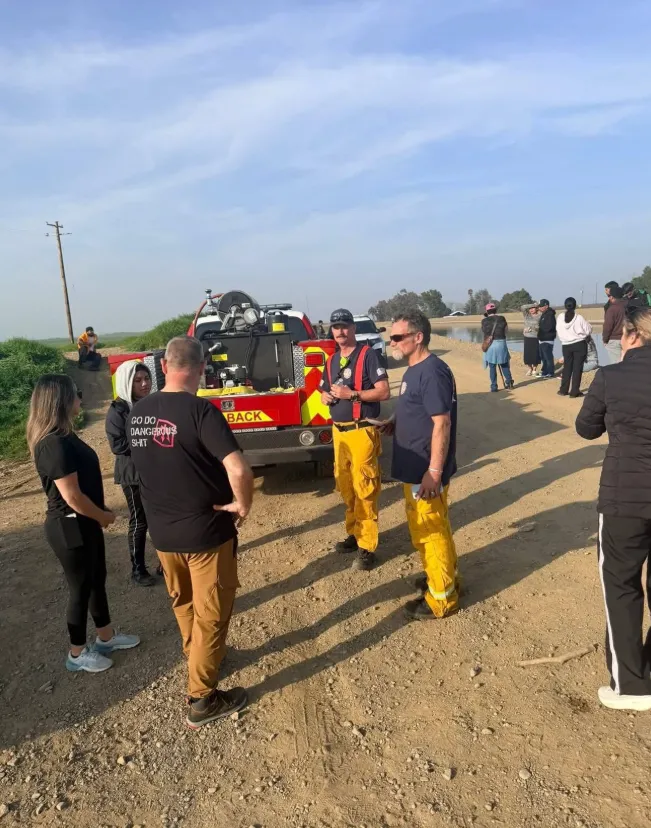
Search efforts began, but grief had already taken hold.
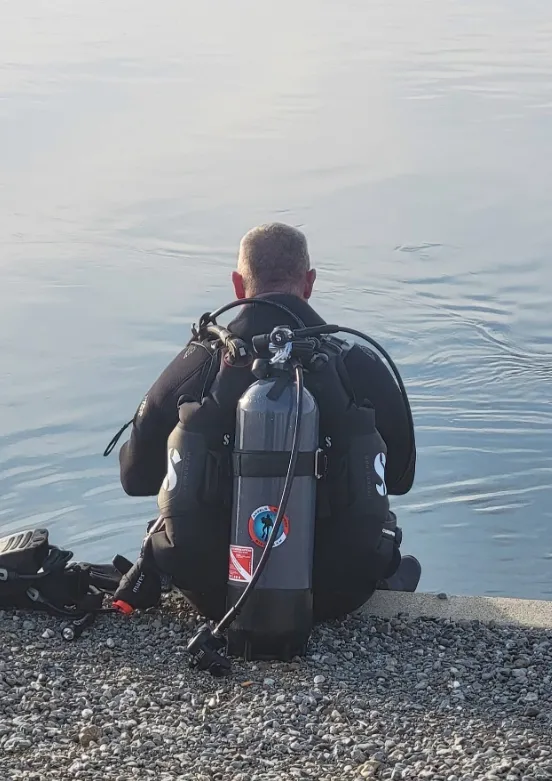
Rescue teams combed the canal repeatedly.
Volunteers joined, driven by compassion and disbelief.
Personal belongings were recovered from the water.
Each item raised hope before crushing it again.
None of them were Lupita.
Days turned into weeks.
The canal was searched again and again.
Still, there was no sign of her body.

For Lupita’s family, waiting became unbearable.
They lived suspended between hope and dread.
Neither offered relief.
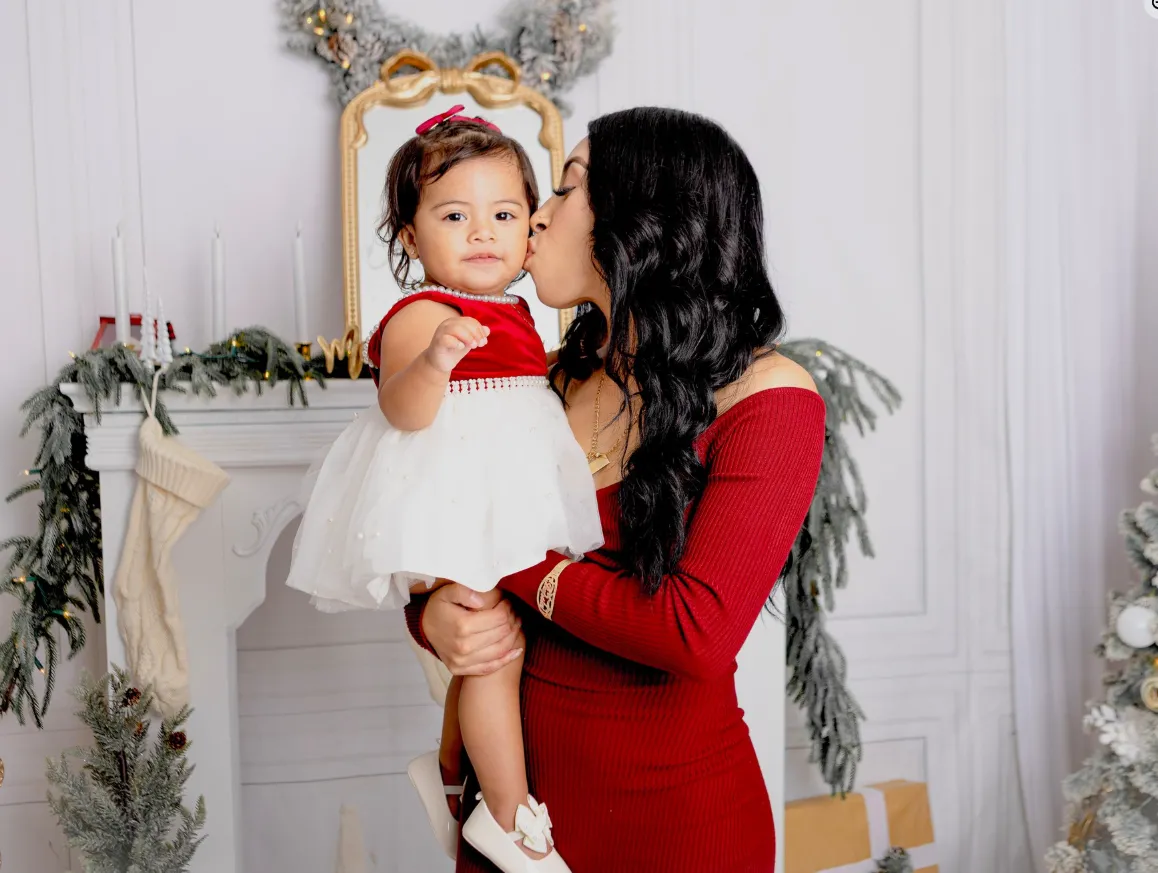
At home, her daughter waited too.
Too young to understand why her mother had not returned.
Too innocent to know what “missing” truly means.
Family members described nights without sleep.
Every phone call brought a surge of fear.
Every quiet hour felt like betrayal.

The Hispanic community in California felt the weight of the case.
Vigils were held.
Her name was spoken aloud so it would not fade.
“Three made it out, but Lupita never came back,” became a painful refrain.
It carried anger as much as grief.
It demanded attention.
Authorities confirmed the case remained open.
No official confirmation of Lupita’s whereabouts has been released.
No closure has been offered.

Investigators continue reviewing details of the crash.
They examine timelines, statements, and physical evidence.
But progress feels slow to those who are hurting.
For the family, this is not a procedural matter.
It is personal, raw, and unrelenting.
Every delay feels like abandonment.
They believe someone knows more.
Someone who was there that night.
Someone who has not told the full truth.

Lupita’s disappearance has become more than a search.
It is a test of accountability.
A demand that her life be taken seriously.
She was not reckless.
She was not careless.
She was a mother who trusted the wrong moment.
Water accidents often erase evidence quickly.
Currents shift, objects move, and time obscures truth.
But memory does not wash away so easily.

The canal has become a symbol of unanswered questions.
A place where fear and silence intersect.
A place her family cannot forget.
Every search ends the same way.
With empty hands and heavier hearts.
With the same question still hanging in the air.
Where is Lupita.
What happened after the others escaped.
Why did no one protect the one who could not swim.
For her daughter, Lupita exists in photographs and stories now.
In whispered promises that she is loved.
In hope that refuses to die.
Family members say they will not stop searching.
They will not stop asking.
They will not allow Lupita’s name to disappear.
This case is not just about a missing woman.
It is about responsibility after survival.
About what people do when danger passes for them but not for everyone.
Until Lupita is found, the story remains unfinished.
Every day without answers deepens the wound.
Every sunrise feels incomplete.
Someone knows what really happened in that canal.
Someone knows why help was delayed.
Someone knows more than they have said.
And until the truth comes out, this family will keep waiting.
A daughter will keep waiting.
A community will keep watching.
🕊️ Lupita Lizbeth Zúñiga Ontiveros is still missing.
Her life matters.
And she must not be forgotten.
A Heartfelt Goodbye: Coping with the Loss of Daisy, a Beloved Rescue Dog 199
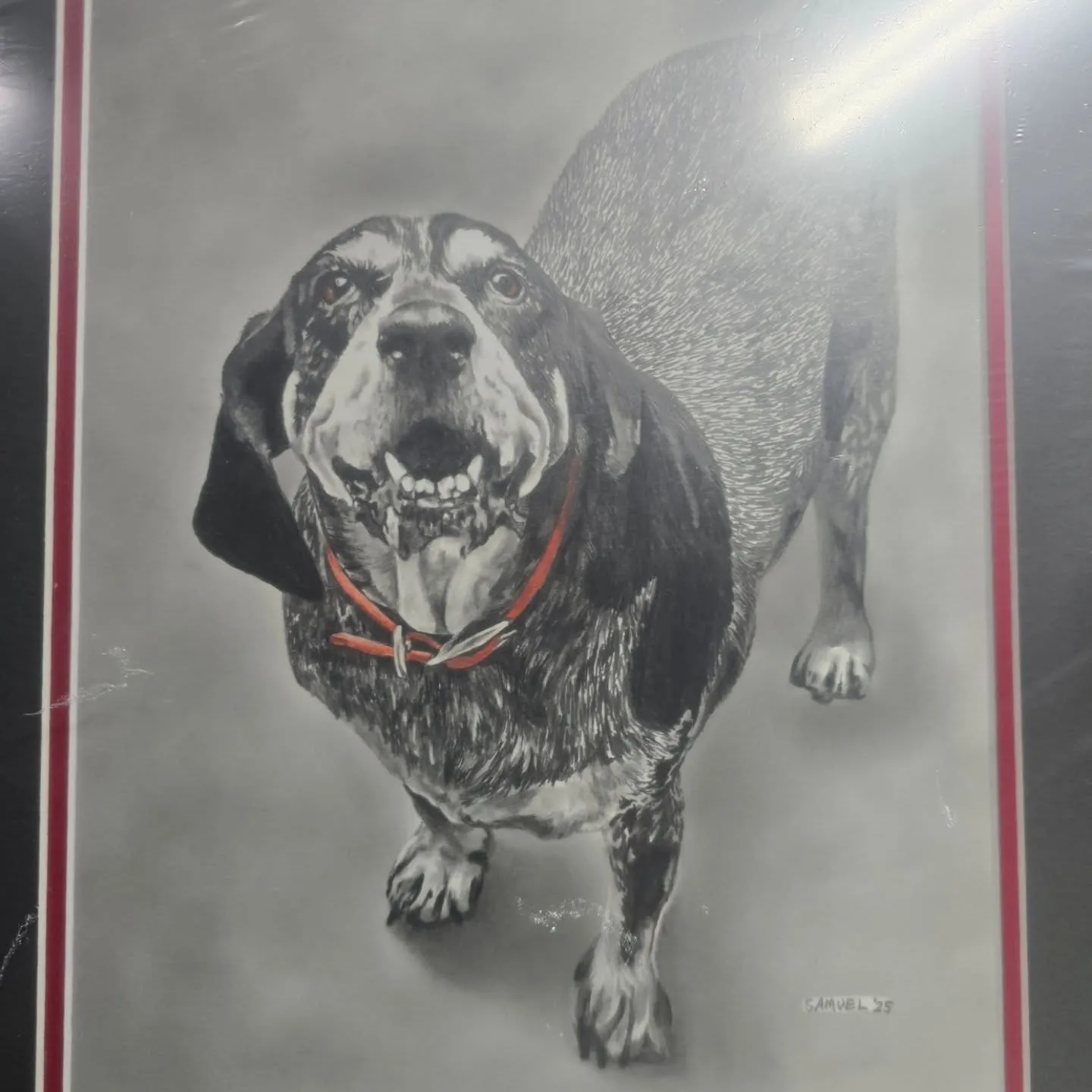

I received this today. It was hard to look at at first. It’s been almost two months since Daisy passed, and I still haven’t fully processed the loss.
Daisy was with me for six years. During that time, so much changed in my life. The place where I worked for over 30 years closed. I started our nonprofit. I bought La Casa de Perro. I sold my house. Our dog family grew from about a dozen to 50, though now it’s back to 41. I threw myself into rescuing and caring for our dogs. My world shrank quickly, focused on them.
Through all those years, Daisy was never adopted. Everyone loved her, but no one made a solid commitment. She had her challenges—biting a kid didn’t help. She’d snap at me if she thought I was messing with her food. But I didn’t care. Daisy became my best friend. She loved me more deeply than any human ever could. Honestly, I was more emotionally attached to her than to any ex.
As she aged and her health declined, I did everything I could to keep her comfortable and eating. She slept on my pillows more than I did. I tried different meals until I found something she’d eat.
In the end, letting her go felt too easy—not because I didn’t care, but because with congestive heart failure, kidney disease, and a mass on her spleen, she was suffering. No matter the meds, fluids, or my desire for her to get better, she simply didn’t. The Daisy I said goodbye to wasn’t the Daisy I knew. And I understood why.
I tried to push the pain aside. I made Terry take her ashes—I didn’t want to see them. I rushed through feeding them to avoid being reminded of the times I fed her by hand to get her to eat. For two months, I’ve tried to distance myself from my emotions.

For many, heartbreak comes from losing a human. For me, it’s always been from losing our dogs.
It’s supposed to get easier, but it never has. When I opened her portrait, I had a hard, ugly cry. I’ve had to make peace with losing my best friend.
Daisy was more than a rescue dog—she was family. And her memory will forever live in my heart.