A Simple Refusal, A Brutal End: The Murder of Angela Risi 4253

The night Angela Marina Risi died did not begin with sirens or screams.
It began with a conversation that should have been ordinary, even forgettable.
A conversation about boundaries, about choice, about the simple human right to say no.
They were sitting in a car, according to her father, parked in the quiet hours of a North Carolina evening.
The man beside her, 32-year-old Stephon Dubose, wanted something he believed he was owed.
He wanted exclusivity, control, certainty that Angela would belong to him and only him.

Angela refused.
Not cruelly, not dramatically, but clearly.
She chose herself.
She opened the car door and stepped out.
She walked away from the argument and toward her home, toward safety, toward a life that still felt open and full of possibility.
She could not have known that her decision would ignite a violence already simmering beneath the surface.
What followed was not a crime of passion, despite how often that phrase is misused.
It was not sudden, nor accidental, nor unavoidable.
It was a deliberate act rooted in entitlement and rage.

Police say Dubose forced his way into Angela’s home shortly after the argument.
He did not come to talk, to apologize, or to leave peacefully.
He came armed with a 9mm handgun and a decision already made.
Angela ran.
She fled toward the back of the house, instincts screaming for survival.
Behind her, Dubose chased her through the space she believed would protect her.
He fired eleven rounds.
Eight of those bullets struck Angela.
She was thirty years old.
As her body fell, as her life drained away, the violence did not stop.
Dubose ran into a bedroom where Angela’s roommate was hiding.
He shot her three times, leaving her alive but permanently disabled.

This was not chaos.
This was not confusion.
This was control enforced through terror.
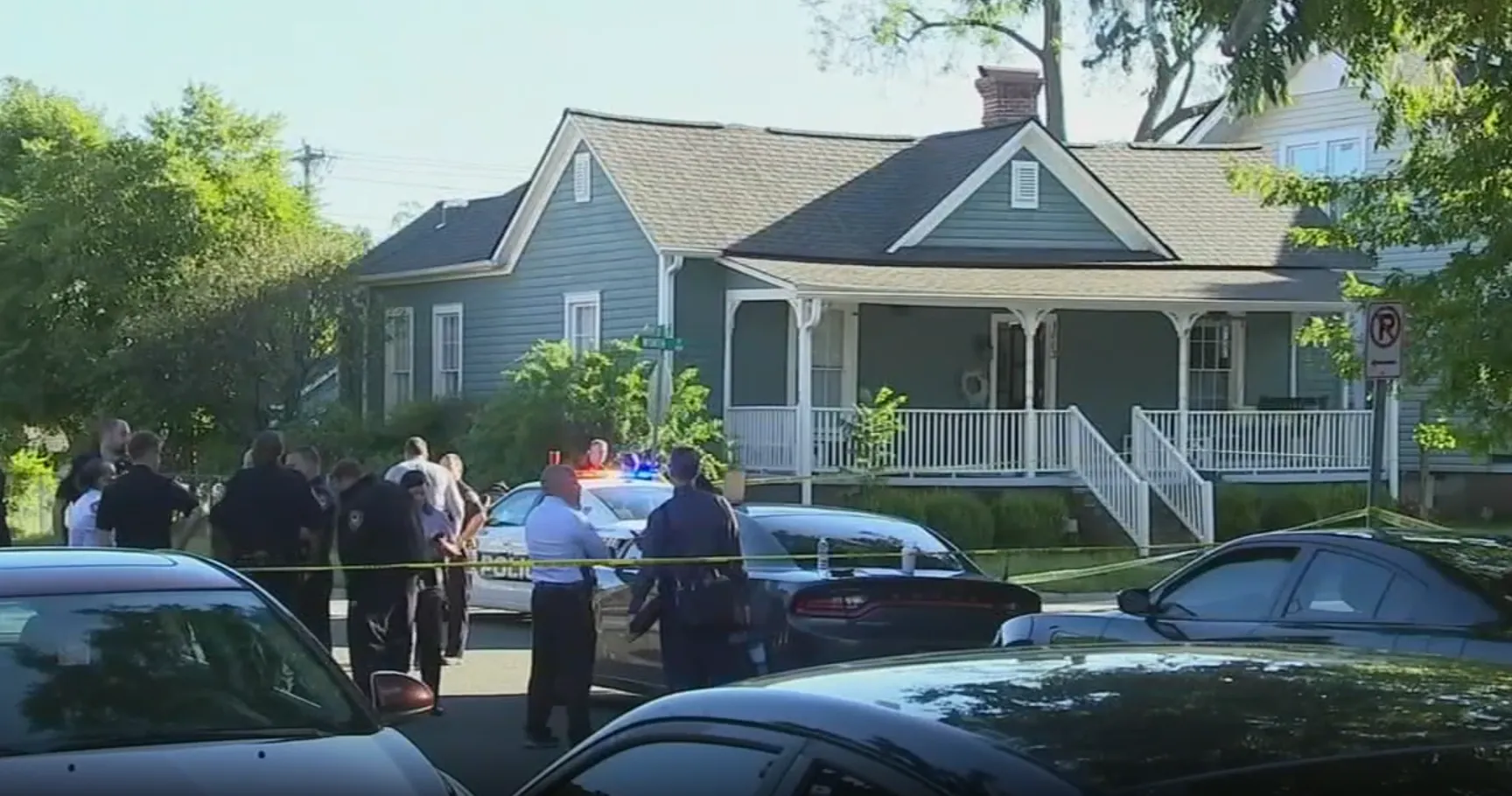
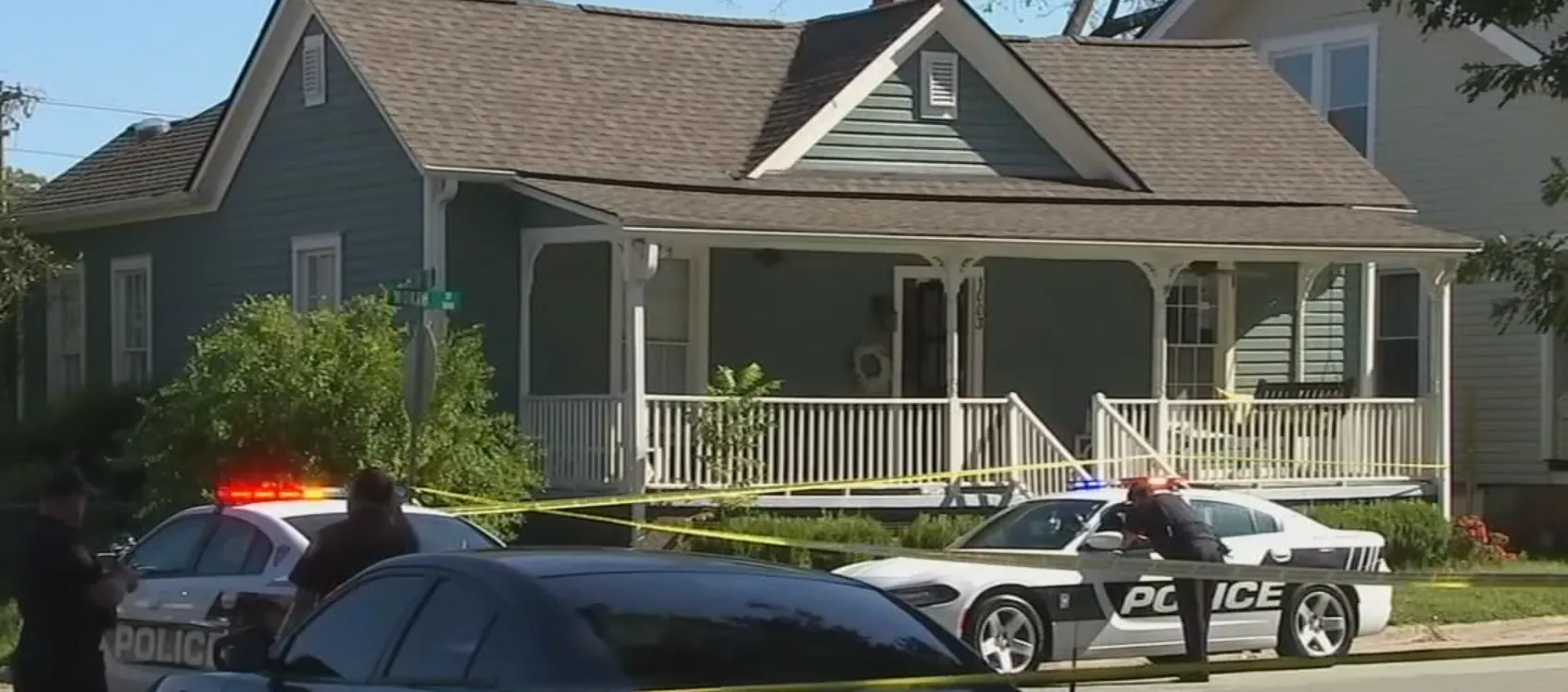
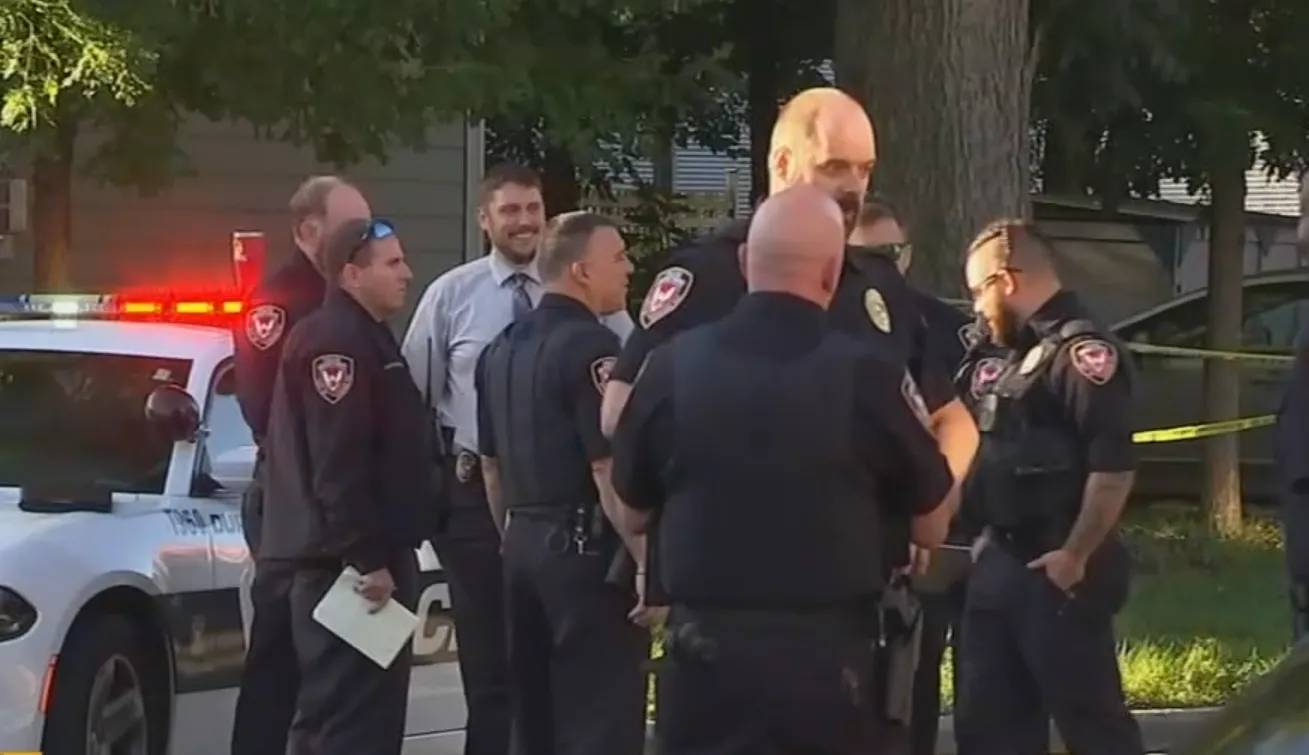
When officers arrived at the home, the scene was already beyond saving.
Angela was dying, her body bearing the weight of eight bullets fired at close range.
Her roommate was bleeding, wounded but conscious, a living witness to a nightmare that would never fully end.
Both women were rushed to the hospital.
Doctors fought for them with the urgency such injuries demand.
Only one survived.
Angela did not make it.
Her life ended on a floor that should have held only laughter, safety, and the quiet rhythms of home.
She became another woman murdered for refusing to submit.
Roughly thirty minutes later, police received another call.
This time, it was from a different home.
Inside, Dubose had reportedly stabbed himself.
He told officers he had “shot a female in the face.”
He said he could not live anymore.
Even in that moment, the language centered himself, not the woman whose life he had taken.
Angela Marina Risi was not a statistic.
She was not a headline, though headlines would later reduce her to one.
She was a person with a past, a present, and a future that had been carefully, passionately built.
Angela was a second-year graduate student in the dance program at Duke University.
Her days were filled with movement, discipline, and expression.
Dance was not just something she did; it was how she understood the world.
She grew up in California, where her love for dance began.
Ballet taught her precision, jazz gave her freedom, modern allowed her to speak without words.
Tap, rhythm, motion—her body was her language.
Friends described her as brilliant and creative.
She carried herself with warmth, curiosity, and an intensity that drew people in.
She was the kind of person who made others feel seen.
In classrooms and studios, Angela worked relentlessly.
Graduate school is demanding even without fear or danger shadowing your personal life.
She met that challenge with dedication and joy.
Her future was unfolding exactly as it should have.
Performances, teaching, choreography, exploration.
She was building a life defined by art, autonomy, and purpose.
That life was stolen because a man could not accept rejection.
Because he believed her “no” was an insult rather than a boundary.
Because he saw her independence as a threat.
This is where language matters.
This was not love gone wrong.
This was not heartbreak.
This was femicide.
A woman was murdered because she asserted her right to choose.
Because she refused to be controlled.
Too often, society asks what the woman could have done differently.
Why didn’t she leave sooner, stay quieter, soften her refusal.
Those questions protect violence by shifting blame.

Angela did leave.
She walked away from the argument.
She went home.
The responsibility lies solely with the man who chose violence.
The man who believed a relationship was something he could demand at gunpoint.
The man who turned rejection into execution.
Angela’s celebration of life drew hundreds.
Friends, classmates, mentors, and loved ones filled the space with grief and memory.
Each person carried a story of how Angela had touched them.
They spoke of her laugh, her dedication, her generosity.
They remembered rehearsals that stretched late into the night.
They mourned a future that should have been long and luminous.
For her family, the loss is beyond language.
Parents are not meant to bury their children.
No one is meant to receive a call that says “she didn’t survive.”
Her roommate survives with permanent injuries.
Her life, too, was irrevocably altered in those moments.
Trauma does not end when the gunfire stops.
This case is not isolated.
Women around the world are killed every day by men who claim to love them.
By men who equate possession with affection.
Control often begins quietly.
A request framed as concern, a demand disguised as devotion.
Exclusivity becomes surveillance, then isolation, then threat.
The warning signs are not misunderstandings.
They are signals.
They are moments where a person shows you who they are.
Angela recognized that signal.
She listened to it.
She chose herself.
She deserved safety for that choice.
She deserved to live.
She deserved a future where “no” was enough.
Instead, her name joins a list that grows far too long.
Each name represents a woman with dreams, relationships, and value.
Each story exposes a failure to confront gender-based violence with the seriousness it demands.

Saying no is not an act of aggression.
It is not cruelty.
It is a fundamental human right.
No one owes anyone a relationship.
No one owes access to their body, their time, or their future.
Consent is not a negotiation.
Angela Marina Risi paid with her life for asserting that truth.
Her story demands to be told honestly, without euphemism or excuse.
It demands accountability, not silence.
Rest in peace, Angela.
You were loved.
You mattered.
You deserved safety.
You deserved freedom.
You deserved life.
Let this be said louder, for every woman still navigating fear disguised as affection.
If someone refuses to respect your boundaries, that is a warning sign, not a misunderstanding.
And no one should ever pay for “no” with their life.
Pregnant Woman Attacked with Bat: A Brutal Assault Turns Into a Multi-State Search 4242
The attack happened on an ordinary winter day in Racine.
The kind of day when routines feel safe and predictable.
But for one pregnant woman, that sense of safety vanished in seconds.
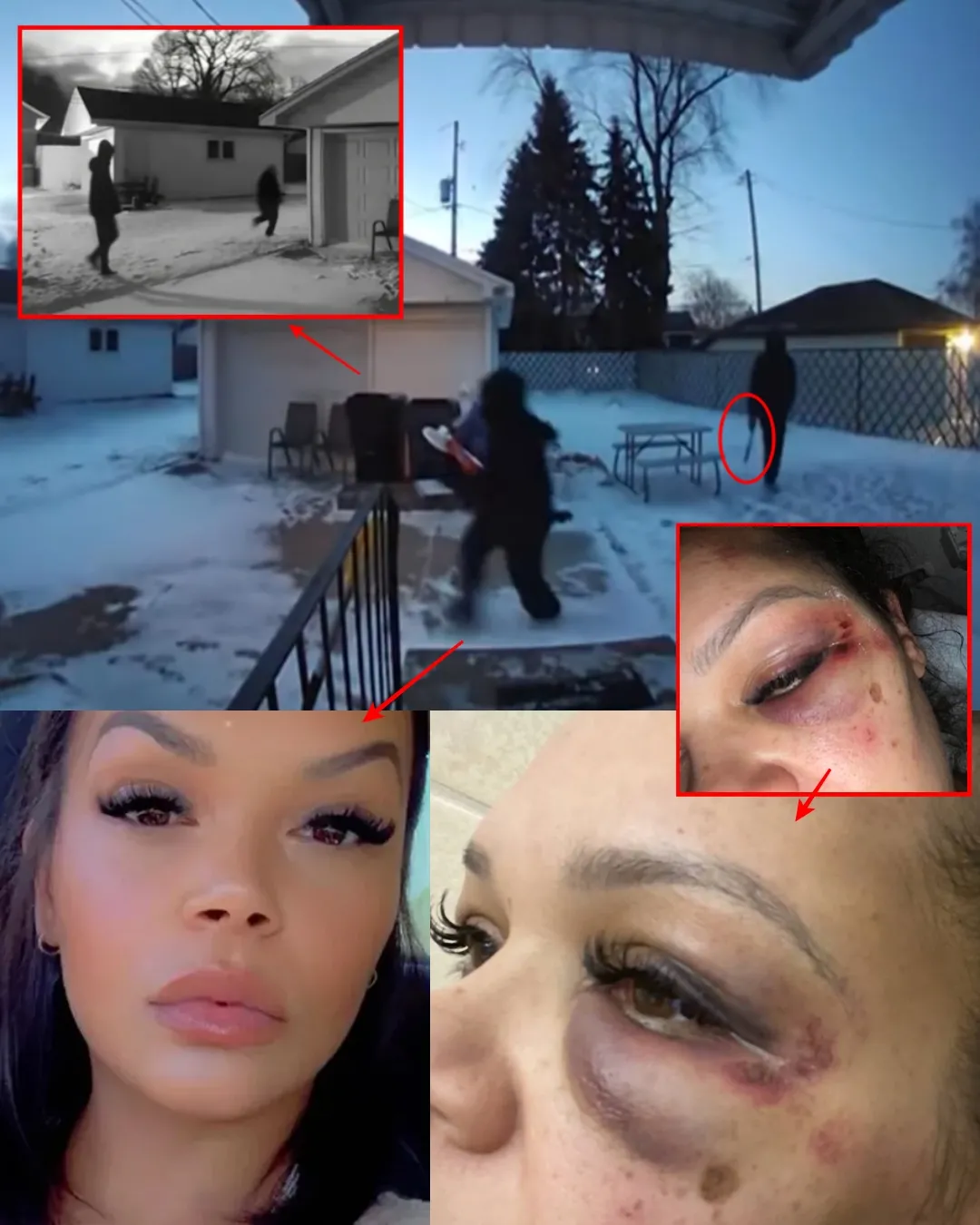
On January 15, Gheonna Lacy was leaving the group home where she worked.
It was a familiar path she had taken countless times before.
She had no warning of what was waiting for her outside.
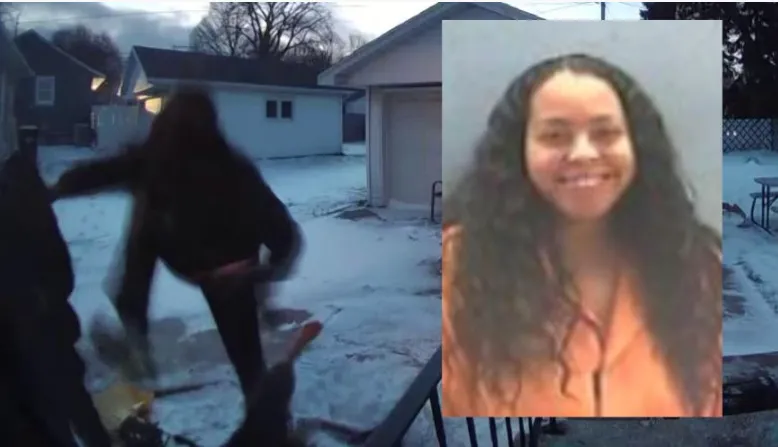
According to investigators, violence erupted suddenly.
A bat was used as a weapon.
And the attack was relentless.
Lacy told police she was beaten as she tried to protect herself and her unborn child.
Each blow landed with force meant to harm, not frighten.
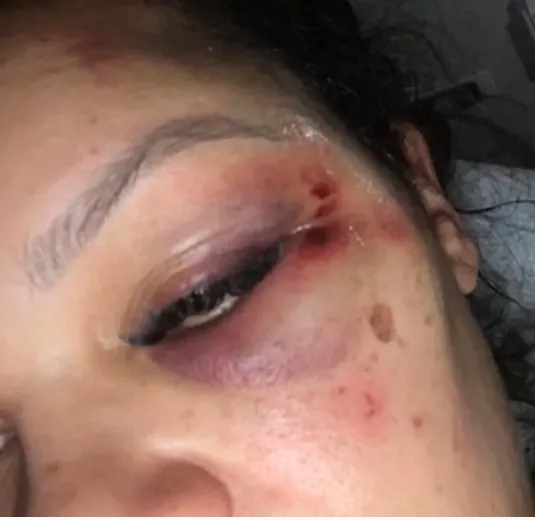
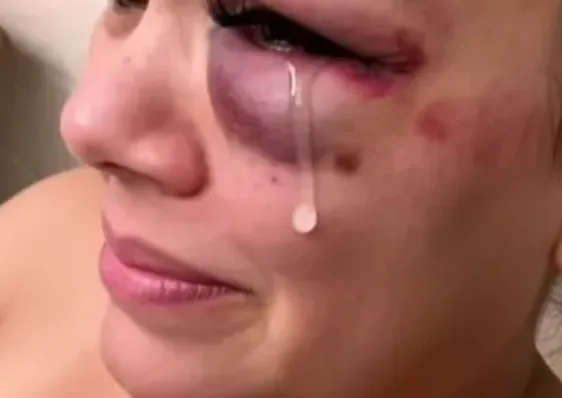
The assault left her injured and terrified.
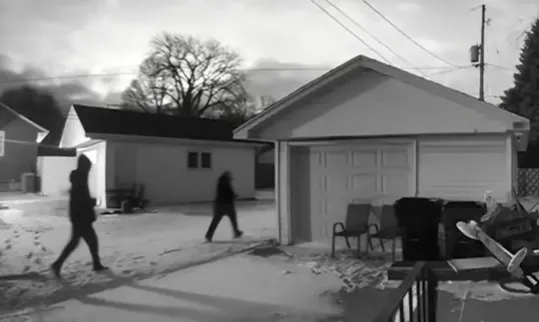
Surveillance video from the area captured fragments of what followed.
Two people wearing hooded clothing were seen walking through a backyard nearby.
Moments later, yelling could be heard.

Those voices would become central to the investigation.
The words, according to the criminal complaint, were chilling.
They were not words of robbery alone, but of hatred.
Lacy told officers she recognized one of the attackers.
She identified Marielle Barrios, a woman she said she knew personally.
During the assault, the face mask allegedly slipped down, revealing Barrios’ identity.
The victim said she heard Barrios shout, “Beat the baby out.”
She also reported hearing, “Kill that baby.”
The words echoed louder than the bat itself.

According to Lacy, Barrios was not alone.
Another suspect, believed to be a man, was also present.
Both attackers allegedly passed an aluminum bat back and forth.
As Lacy fell to the ground, the violence did not stop.
She told investigators she believed she lost consciousness during the assault.
Her body absorbed blows meant to cause maximum harm.
While the victim lay injured, prosecutors say Barrios went through her pockets.
Two cellphones were taken — one belonging to Lacy and one to her boss.
The attack had shifted from assault to robbery.

When officers arrived, they observed injuries consistent with the account.
Prosecutors noted a visible bruise on Lacy’s stomach.
The mark was described as being “consistent with a shoe impression.”
For a pregnant woman, that detail carried devastating weight.
The stomach is not just a body part.
It is a life.
The charges that followed reflected the severity of the crime.
Barrios now faces armed robbery, substantial battery, and aggravated battery to an unborn child.
Each charge carries significant consequences.

In the days after the attack, the case took an unexpected turn.
According to the criminal complaint, Barrios went to the police department herself.
She dropped off a written statement at the front counter.
In that statement, Barrios denied any involvement.
She claimed the victim’s account was false.
She attempted to distance herself from the violence.
But investigators continued to build their case.
They reviewed video, statements, and physical evidence.
The narrative did not change.

On January 23, Barrios was arrested — not in Wisconsin, but in Arkansas.
Her arrest marked the end of a multi-state search.
It also raised new questions.
Why had she left the state?
Was she trying to avoid arrest?
Authorities have not publicly answered those questions.
A second arrest followed soon after.
Racine police identified Melvina Lewis
, also in Arkansas.
She was charged with harboring or aiding a felon.

The case now stretches across state lines.
From Racine to Arkansas.
From a quiet workday to a criminal courtroom.
For Lacy, the aftermath is not measured in legal filings.
It is measured in pain, fear, and recovery.
It is measured in the constant awareness of what could have been lost.
Being attacked while pregnant carries a unique terror.
Every movement becomes a question.
Every ache becomes a worry.
Friends and coworkers described Lacy as resilient.
Someone who showed up for others through her work.
Someone who never expected violence to follow her home.
The group home where she worked became a place of reflection.
Colleagues struggled to process how close danger had come.
Workplaces that care for others are rarely prepared for such brutality.

The words alleged in the complaint shocked the community.
Violence is one thing.
Violence aimed at an unborn child is another.
Community members reacted with outrage and disbelief.
Many said the details were difficult to read.
Others said they were impossible to forget.
Prosecutors emphasized the seriousness of crimes involving unborn children.
Wisconsin law treats such acts with heightened gravity.
The charges reflect that reality.
As the case proceeds, Barrios will face the justice system.
Court dates will be scheduled.
Evidence will be examined.
But for the victim, justice is only one part of healing.
The physical wounds may fade.
The emotional ones may not.
The unborn child remains at the center of the case.
A life threatened before it ever began.
A reminder of what was at stake.
Investigators have not released details about the second suspect involved in the assault.
That part of the case remains open.
Authorities say the investigation is ongoing.
For now, Racine watches and waits.
A city shaken by the cruelty of the allegations.
A community hoping for accountability.
This case is not just about one attack.
It is about vulnerability, violence, and intent.
It is about how quickly life can be endangered.
As winter continues, the memory of January 15 lingers.
A day that should have been routine.
A night that became unforgettable.
For Gheonna Lacy, survival itself is an act of strength.
For her unborn child, every heartbeat matters.
And for the community, this case will not be forgotten.