Heartbreak in Prince Rupert: Mother and Two Children Discovered Dead in Family Residence 4378

The rain fell softly over Prince Rupert on the morning the house on the quiet street was finally opened.
Inside, silence clung to the walls like a heavy curtain.
And in that silence, a tragedy waited to be understood.
Janet Nguyen was thirty-five years old, a mother whose world revolved around her two little boys.
Four-year-old Alexander Duong loved toy trucks and the sound of the ocean wind outside his window.
Two-year-old Harlan Duong followed his older brother everywhere, his laughter small but bright enough to fill any room.
Neighbors would later say the family seemed ordinary in the way that most families do.

They saw strollers on sidewalks and small shoes by the door.
They did not see the storm building quietly behind closed doors.
On June 13, 2023, that storm broke with irreversible force.
Authorities would later determine that the children’s father was responsible for the deaths before taking his own life.
But the final hours of that household began long before that day.
In the days leading up to the tragedy, signs of a mental health crisis had emerged.
Testimony during the coroner’s inquest would later describe escalating distress and alarming behavior.
Those closest to the situation would struggle with the question of whether anything more could have been done.
Just days earlier, the father had been briefly detained under the provisions of the
British Columbia Mental Health Act.
He was assessed, held for a short time, and then released.
Procedures were followed as they existed, yet the outcome would reveal painful gaps.

Three days after that release, the family was discovered in their home.
The stillness inside was not the stillness of sleep.
It was the stillness of lives that had already ended.
For first responders, scenes like that leave permanent imprints.
Training prepares them for crisis, but not for the quiet grief of children’s bedrooms left untouched.
Not for drawings on refrigerators that will never be added to again.
The investigation unfolded carefully and methodically.
Authorities pieced together timelines, digital records, and witness accounts.
Each fact felt like another weight placed upon an already heavy truth.
During the inquest, jurors heard that a “last will and testament” video had been recorded prior to the deaths.
The existence of that recording underscored the depth of the crisis unfolding in private.
It suggested planning where others had hoped there was still time for intervention.

Mental health professionals explained how crises can escalate rapidly.
They described moments when individuals appear calm but remain at risk.
They spoke of systems designed to protect, yet constrained by resources and legislation.
Police officers testified about their interaction under the Mental Health Act.
They detailed the detention and the legal framework guiding their decisions.
They acknowledged the limits of authority once a person is deemed stable for release.
The courtroom atmosphere during the inquest was subdued and deliberate.
Every word carried the weight of hindsight.
Every recommendation aimed toward prevention.
Jurors ultimately issued recommendations focused on strengthening mental health care procedures.
They emphasized the importance of improved communication between police and health services.
They specifically suggested that law enforcement be notified when someone apprehended under the Act is released.
Those recommendations were not about blame alone.
They were about recognizing systemic fractures revealed by loss.
They were about ensuring that warning signs are not left to fade unheard.
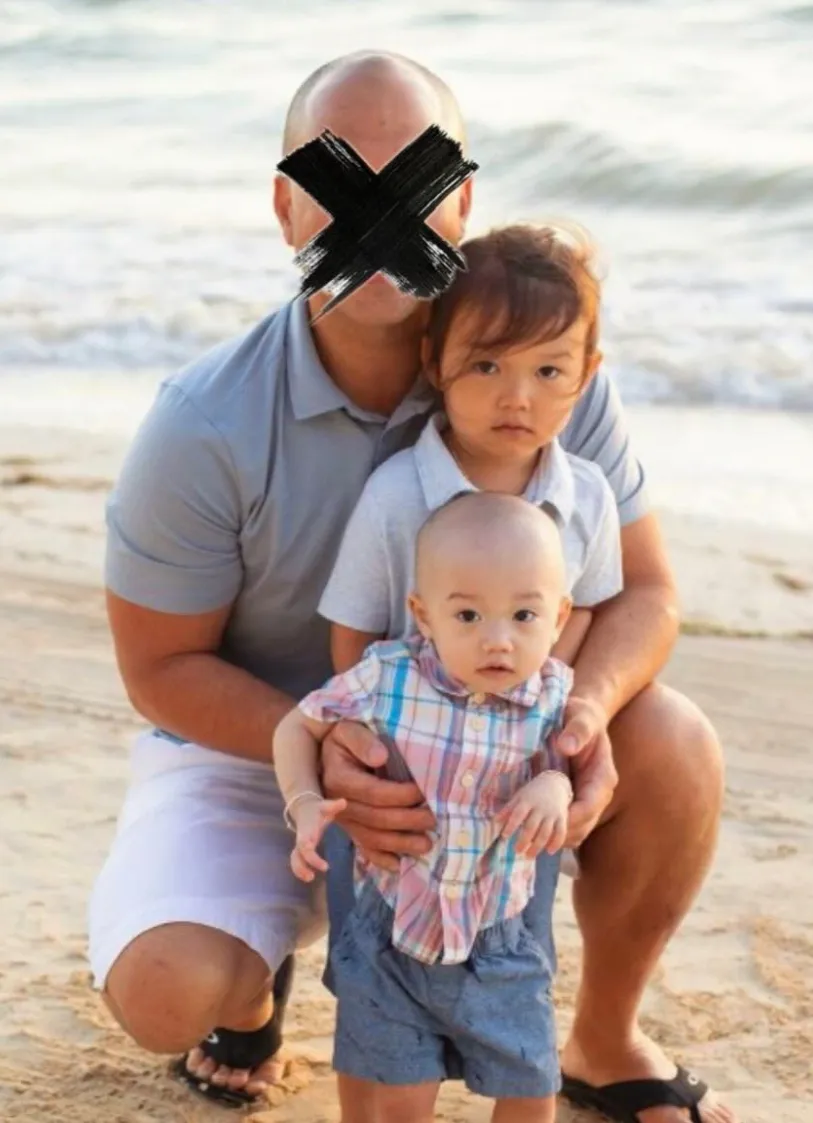
Janet’s friends described her as devoted and patient.
They remembered school drop-offs, birthday candles, and long evenings reading stories.
They struggled to reconcile those memories with the final headlines.
Alexander had just begun forming sentences that stretched into full stories.
Harlan was learning new words each week.
Their futures, once imagined in years and milestones, ended in a single irreversible moment.
Community members gathered in quiet vigils.
Candles flickered against the coastal wind of Prince Rupert.
Flowers accumulated in soft, fragile rows along the sidewalk.
Grief often arrives in waves.
At first, there is disbelief, then sorrow, then questions without answers.
In this case, the questions circled around systems meant to safeguard the vulnerable.
Experts in crisis intervention later reflected on the complexity of risk assessment.
They explained that predicting violence is among the most challenging aspects of mental health care.
They also acknowledged that communication failures can compound danger.
The Mental Health Act in British Columbia grants authorities the power to detain individuals who pose a risk to themselves or others.
Yet detention is temporary unless strict criteria are met.

Balancing civil liberties with public safety remains an enduring tension.
In the wake of the tragedy, conversations broadened beyond one household.
Advocates called for more funding for mental health services.
They urged stronger follow-up procedures after release.
Police departments examined their own internal communication practices.
Health authorities reviewed discharge protocols.
Lawmakers faced renewed scrutiny over existing frameworks.
Behind policy debates, however, were three irreplaceable lives.

A mother who once braided small strands of hair.
Two children who once reached for her hand.
The inquest process itself was not about criminal conviction.
It was about understanding how deaths occurred and how similar ones might be prevented.
It was about transparency in the face of communal pain.
Testimony described the days before June 13 as increasingly unstable.
Concerns were raised, but interventions were limited.

The window for decisive action proved heartbreakingly narrow.
Mental health crises can mask themselves in moments of temporary calm.
They can appear manageable until they are not.
And they demand coordination across agencies that do not always share information seamlessly.
The jury’s recommendation to notify police upon release under the Act was seen as particularly significant.
Such notification could allow closer monitoring during vulnerable periods.
It could provide another opportunity for intervention.
Whether those changes will prevent future tragedies remains an open question.
Policy reform is often incremental and slow.

But the hope is that awareness born of loss can lead to meaningful change.
For the Nguyen and Duong families, healing will never mean forgetting.
It will mean carrying memory forward while living with absence.
It will mean honoring Janet, Alexander, and Harlan in ways both public and private.
The house in Prince Rupert will one day hold new occupants.
Walls may be repainted and floors refinished.

Yet the story of what happened there will linger in community memory.
In the end, this was not only a story of one family.
It was a story about the fragile intersections of mental health, law, and human vulnerability.
It was a reminder that systems are tested most painfully when they fail.
Janet Nguyen’s life was more than the tragedy that ended it.
Alexander and Harlan were more than the circumstances of their deaths.

They were moments of laughter, bedtime whispers, and ordinary mornings that now feel immeasurably precious.
As British Columbia reflects on the jury’s recommendations, the broader lesson remains urgent.
Communication between agencies must be clear, timely, and accountable.
Support for mental health must extend beyond short-term detention toward sustained care.
There is no rewriting June 13, 2023.
There is only the work of ensuring that warning signs are never again left isolated within separate systems.
And there is the quiet, enduring hope that remembrance can lead to reform.