A 27-Year Sentence: Should Megan Hogg Be Released After 3 Child Homicides? 4403
A Mother, Three Daughters, and a Decision That Divides
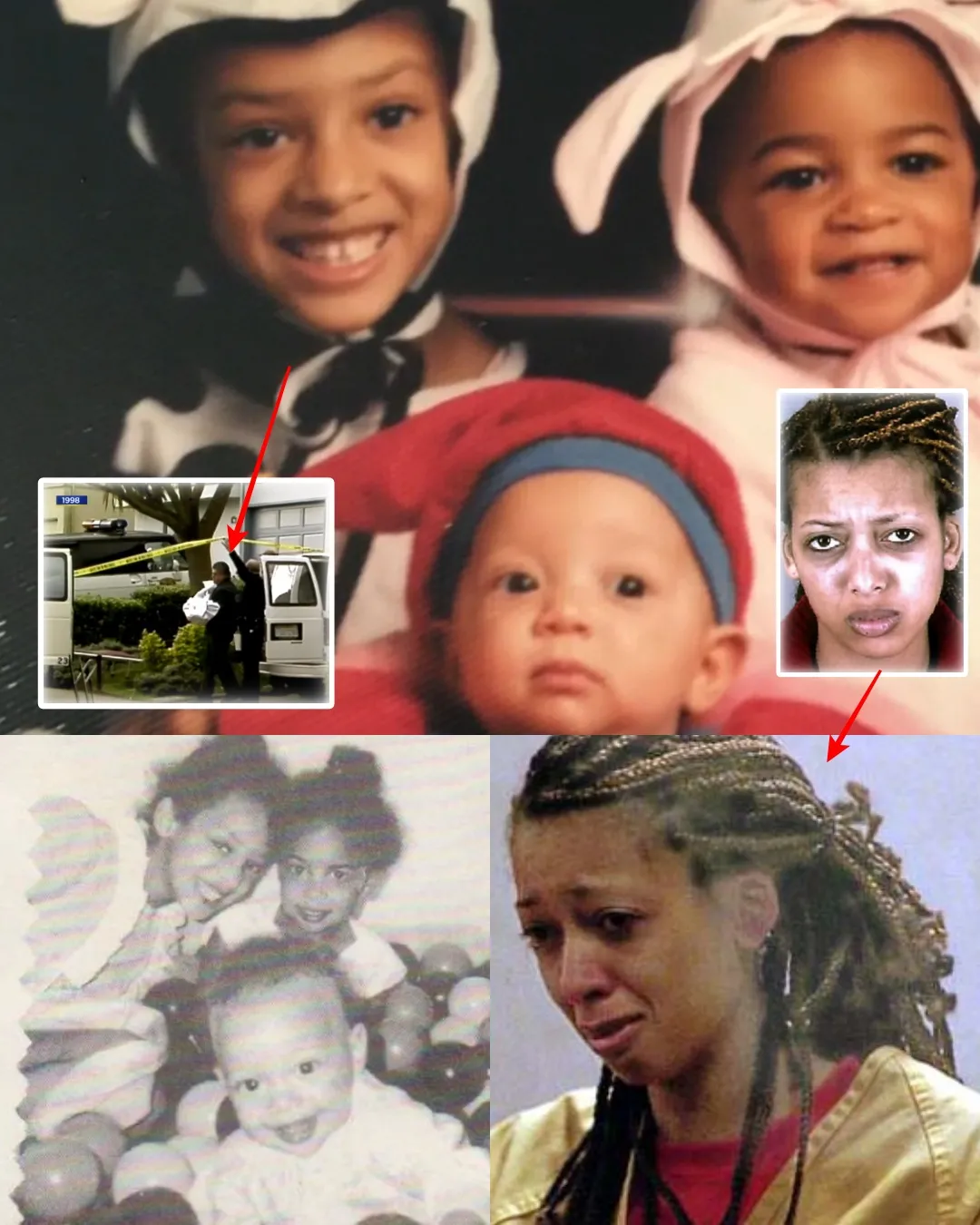
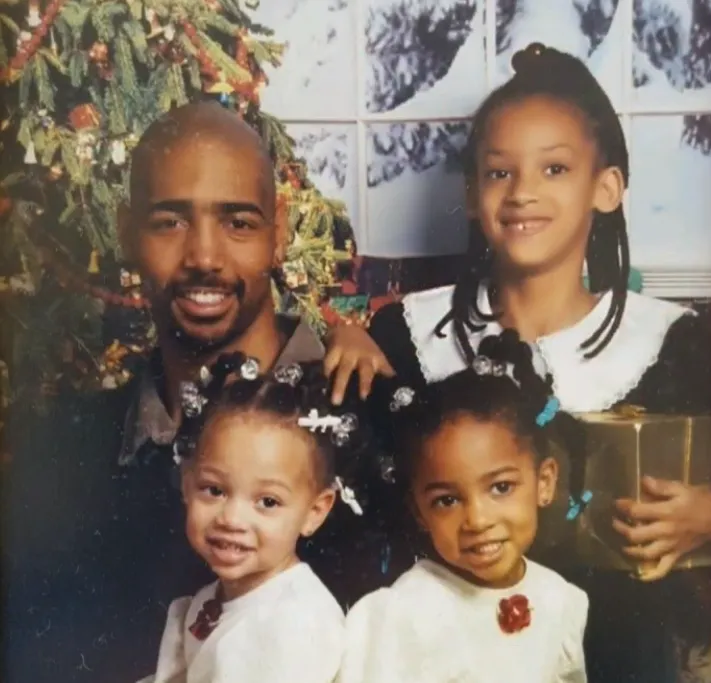
On March 23, 1998, three young sisters were killed inside their home.
They were just 2, 3, and 7 years old.
Their deaths would become one of the most haunting child homicide cases in California’s history.

Nearly three decades later, the case returned to the spotlight.
On February 20, 2026, the Board of Parole Hearings convened at the Central California Women’s Facility in Chowchilla.
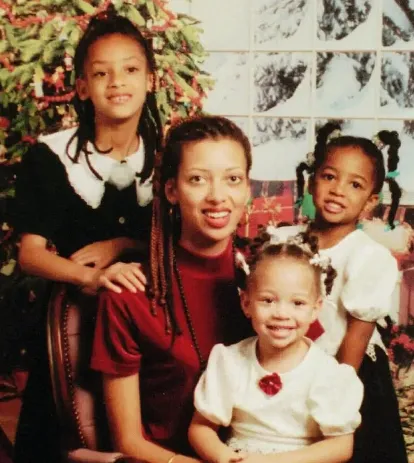
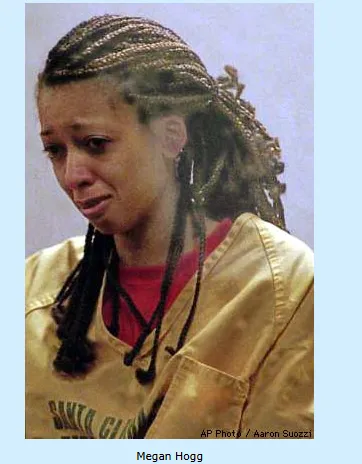
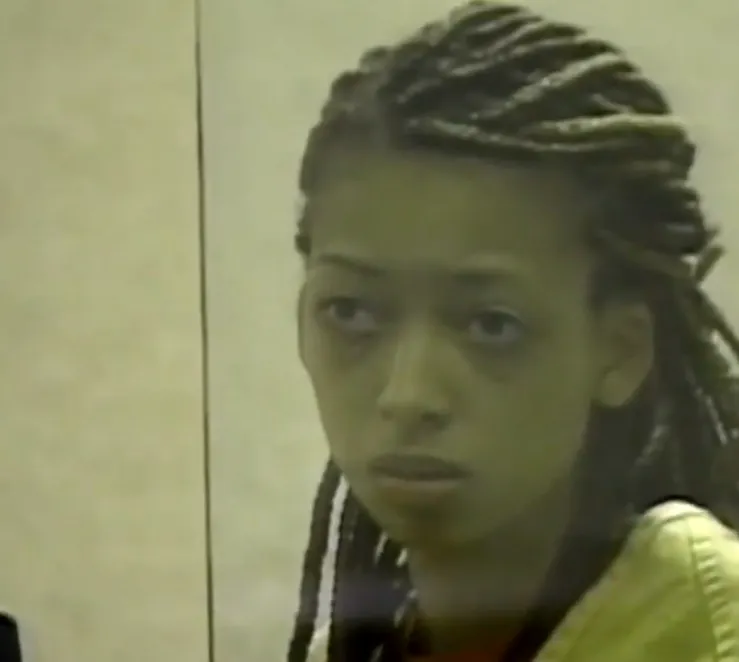
At the center of the hearing was 53-year-old Megan Hogg.
Hogg had pleaded no contest to three counts of first-degree murder.
She was sentenced to 25 years to life in prison.
Now, after serving more than 27 years, the question before the board was whether she should be released.
Prosecutors in 1998 alleged that Hogg taped her daughters’ mouths and feet before smothering them.
They argued she acted out of anger.

Specifically, they claimed resentment that the children were closer to their grandmother, who had helped care for them.
The details shocked the community then.
They still do today.
Time has not softened the brutality of the allegations.
Inside the 2026 parole hearing, emotions were once again close to the surface.
Ten family members appeared to speak.
Seven of Hogg’s immediate relatives supported her release.
Three members of the children’s father’s family also attended.
Two opposed her release outright.
One deferred to the board’s judgment.
Parole hearings often become deeply personal.
They are not retrials of guilt.
They are evaluations of risk, rehabilitation, and accountability.
The board must determine whether an inmate currently poses an unreasonable danger to public safety.
The focus shifts from the crime itself to the inmate’s conduct behind bars.
Insight, remorse, and behavioral record weigh heavily in the decision.
This was not Hogg’s first time before the board.
In fact, it was her fifth parole hearing in less than eight years.
It was also the second time she had been found suitable for release.

In 2018, the board initially determined she met the criteria for parole.
But then-Governor Jerry Brown reversed that decision months later.
He cited opposition from the family and the district attorney’s office.
Following that reversal, Hogg was denied parole in 2019.
She was denied again in 2021.
And again in 2023.
Each denial meant more waiting.
More hearings.
More arguments over risk and responsibility.
On February 20, 2026, the board once again concluded she was suitable for release.
Under California law, that decision does not immediately free an inmate.
Instead, it triggers a review by the governor.
This time, the review will go to Governor Gavin Newsom
.
He now has the authority to affirm, modify, or reverse the board’s decision.
His choice will determine whether Hogg walks free.
Three days after the hearing, the district attorney’s office issued a public statement.
It declared it “continues to strongly oppose Megan Hogg’s release on parole.”
That opposition mirrors the stance taken in prior years.

District attorneys often argue that certain crimes demonstrate enduring danger.
They point to the nature of the offense.
They question whether rehabilitation can outweigh deliberate violence against children.
Supporters, however, emphasize the length of time served.
They argue that parole is part of the original sentence.
They note that 25 years to life includes the possibility of release.
Parole law in California balances punishment with the potential for reform.
An inmate serving life is not automatically guaranteed freedom.
But neither are they barred from it if found suitable.
The debate often centers on whether the crime itself can ever be outweighed by decades of good behavior.
Can rehabilitation neutralize past brutality?
Or does the severity of certain acts permanently define risk?
For the children’s extended family, the question remains intensely personal.
The girls never grew up.
Their futures ended in 1998.
Parole hearings force families to relive details they might otherwise try to bury.
They revisit court transcripts.
They revisit photographs and autopsy findings.
For Hogg’s supporters, the narrative is different.
They describe a woman who has spent more than half her life behind bars.
They speak of growth, accountability, and remorse.
California’s Board of Parole Hearings evaluates psychological reports.
It reviews disciplinary records.
It examines educational and vocational progress.
An inmate’s insight into the crime is critical.
Acknowledgment of responsibility matters.
Minimization or denial can weigh heavily against release.
The board determined, at least for now, that Hogg met the threshold.
But the governor’s review remains pending.
History shows that gubernatorial intervention can alter outcomes.
In 2018, Governor Brown reversed her suitability finding.
He concluded she still posed an unreasonable risk.
That reversal set precedent for executive scrutiny.
Governor Newsom now faces a similar decision.
He will review the hearing transcript and evidence.
He may consider public safety, legal standards, and political impact.
Parole decisions in high-profile cases often generate intense public reaction.
They test the boundaries of justice and mercy.
They reveal how society views punishment after decades have passed.
Some argue that life sentences should truly mean life.
Others insist that redemption must remain possible.
The law attempts to navigate between those positions.
The Central California Women’s Facility in Chowchilla houses inmates serving long terms.
Within its walls, years blur into routines of work and classes.
But outside, families measure time differently.
For nearly three decades, the children’s father’s family has carried grief forward.
Each parole hearing reopens wounds.
Each decision rekindles debate.
The case also raises broader questions about how the justice system handles child homicide.
Are crimes involving young victims inherently disqualifying for release?
Or must each case be weighed individually, regardless of emotion?
California’s parole framework requires individualized assessment.
The board cannot deny release solely because of the crime’s severity.
It must base its decision on current dangerousness.
That standard can be difficult to reconcile with public sentiment.
Particularly when victims were toddlers and elementary-aged children.

The emotional gravity remains immense.
As of February 23, 2026, the district attorney’s opposition remains firm.
The case now rests on the governor’s desk.
A final decision has not yet been announced.
If affirmed, Hogg would be released under supervision.
If reversed, she would remain incarcerated until a future hearing.
Either outcome will mark another chapter in a case that has never faded.
Parole hearings do not erase convictions.
They do not undo harm.
They simply assess present risk under the law.

For the three daughters whose lives ended in 1998, time stopped.
For their families, time has carried both grief and resilience.
For Megan Hogg, time has meant incarceration and repeated evaluation.
The governor’s decision will likely come in the months ahead.
Until then, uncertainty remains.
And the debate over justice, rehabilitation, and accountability continues.