Seconds That Stole Two Lives: The Devastating Result of Fleeing Police 4318
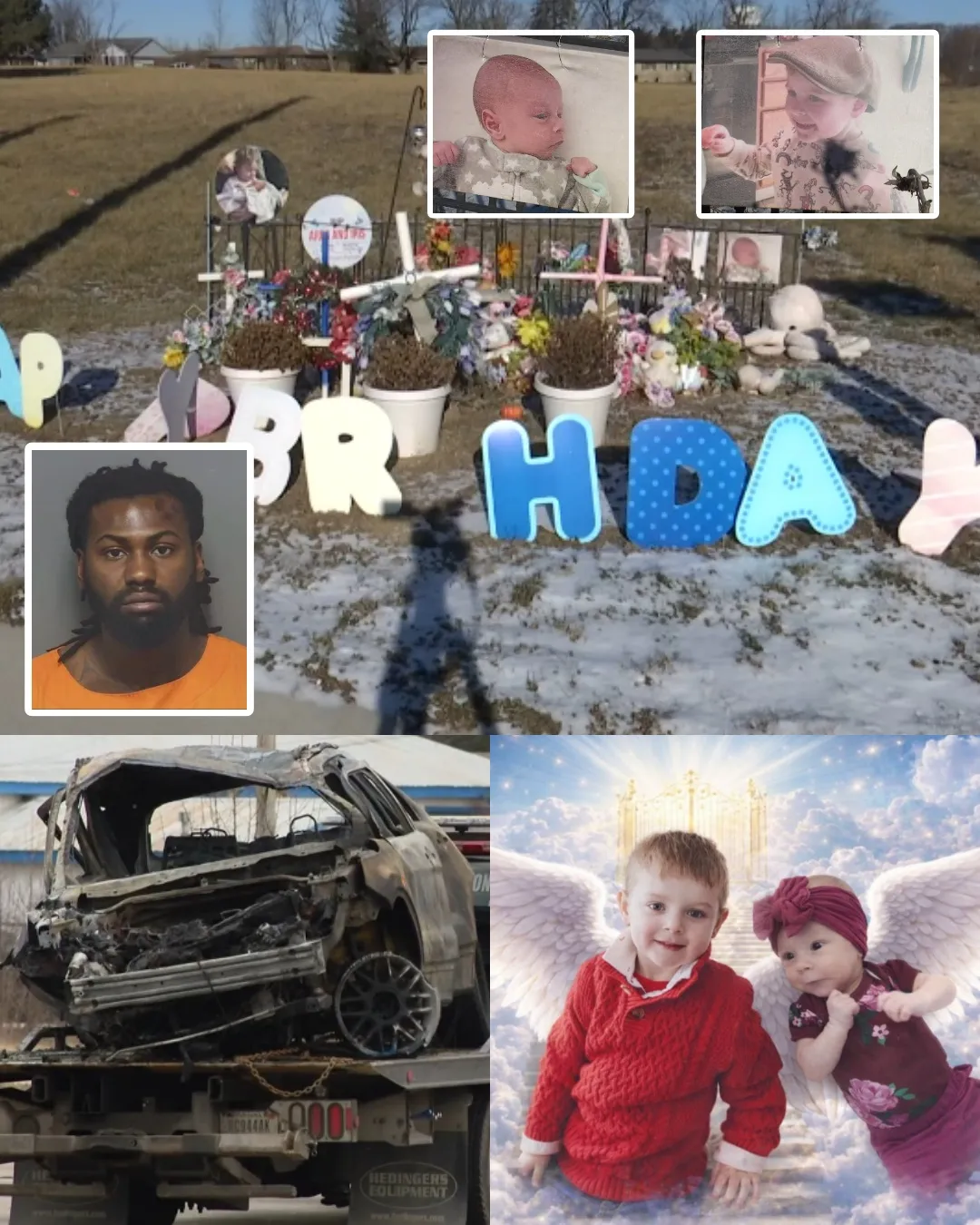
The road in western Indiana looked ordinary that winter day.
Traffic lights cycled from red to green, families moved between errands, and nothing suggested disaster was seconds away.
But somewhere behind the wheel of a speeding car, a decision had already been made that would end two young lives.
In February 2025, police officers attempted to stop a vehicle they believed was stolen.
The driver did not pull over.
Instead, he accelerated, turning a routine traffic stop into a dangerous chase.
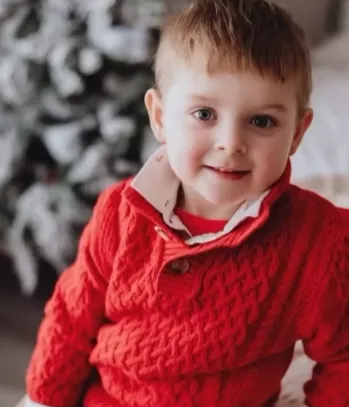
Sirens cut through the air as the vehicle sped through intersections.
Red lights became suggestions instead of commands.
Every second of flight increased the risk to everyone on the road.
Inside another vehicle, a family was doing nothing reckless.
A mother and father sat in the front seats of their SUV, focused on the drive ahead.
In the back, their two children were secured in car seats, unaware of the danger approaching at high speed.

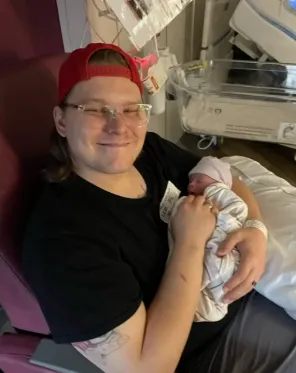
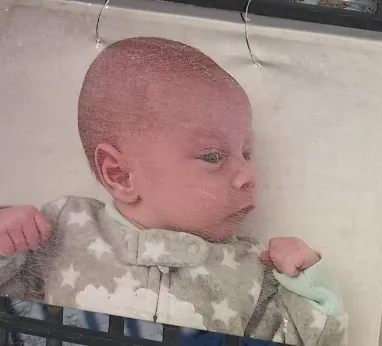
The youngest was just two months old.
A baby whose life had barely begun, whose days were measured in feedings and sleep.
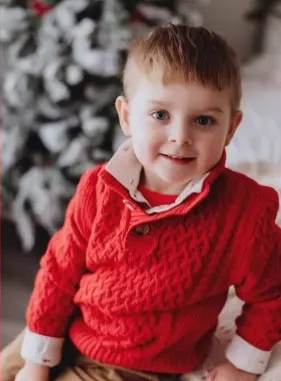
Beside her sat her three-year-old brother, old enough to talk, to laugh, to ask questions about the world.
At an intersection, their paths crossed.
The fleeing driver ran a red light.
The impact was violent and unforgiving.
Metal folded into metal.
Glass exploded outward.
Time seemed to stop as the force of the collision tore through both vehicles.
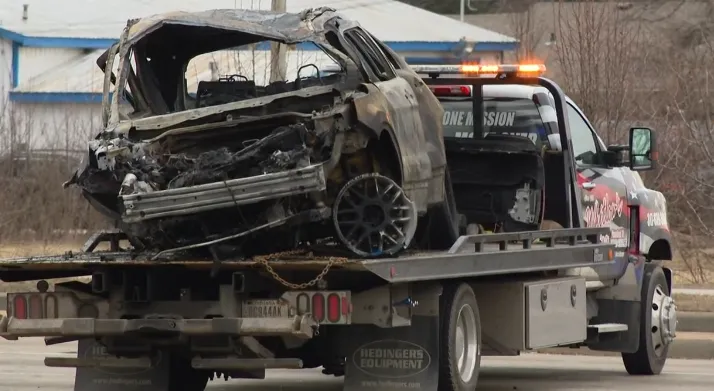
First responders arrived to a scene that no one forgets.
An infant was found critically injured.
The baby was pronounced dead at the scene.
Her brother was still alive.
He was rushed to the hospital with severe injuries.
Doctors worked to save him while his family waited in disbelief.
For days, hope and fear existed side by side.
Machines breathed where his body could not.
Every decision carried unbearable weight.
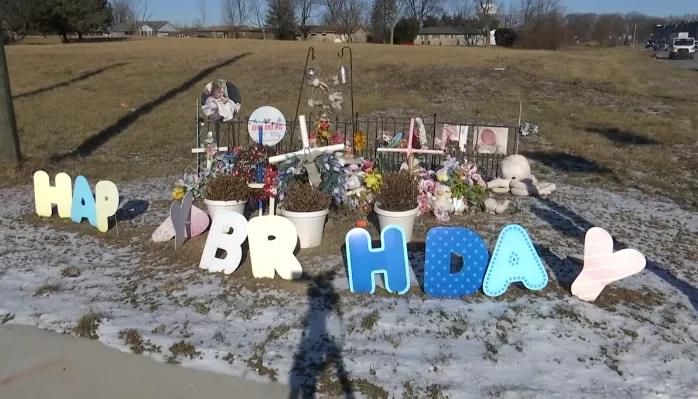
Eventually, the family faced the choice no parent should ever have to make.
Doctors explained the damage was too severe.
Life support was withdrawn.
The three-year-old died surrounded by the people who loved him most.
Two children lost in a matter of moments.
A family forever split into before and after.
Police traced the crash back to the chase.
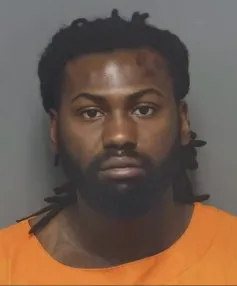
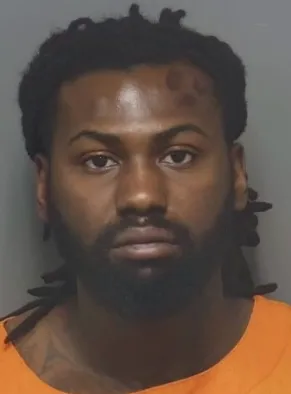
The driver, an Indianapolis man, was taken into custody.
Prosecutors began building a case rooted in the decision to flee.
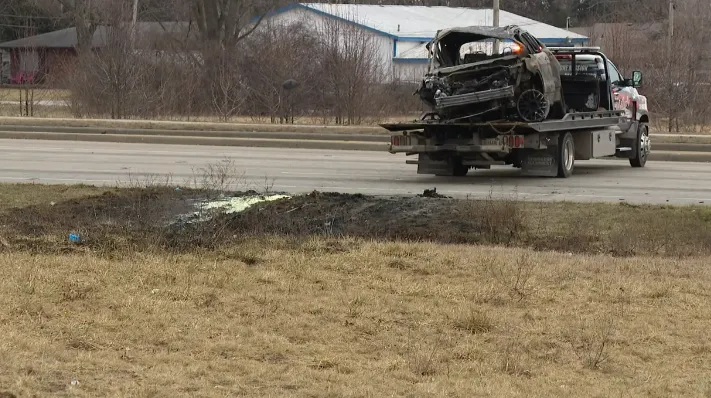
Authorities said the suspect had been driving a stolen vehicle.
Instead of stopping, he chose to run.
That choice, prosecutors argue, turned him into the direct cause of the children’s deaths.
The case moved toward trial.
Charges piled up, reflecting the gravity of what had happened.
Each count represented a decision, a moment, a consequence.
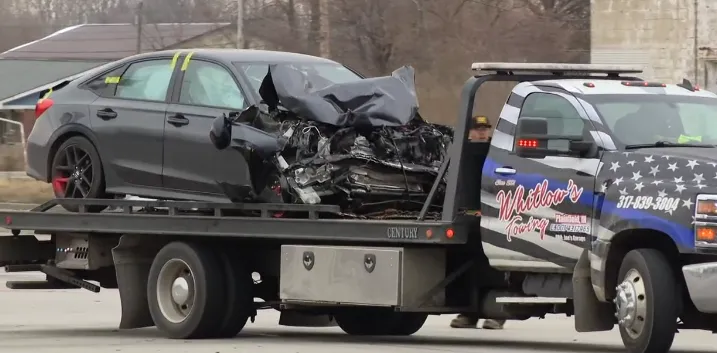
For the family, the legal process offered no comfort.
Court dates did not bring their children back.
Justice felt abstract compared to the silence in their home.
Photos of the children remained.
Toys untouched.
A nursery and a toddler’s room frozen in time.
As months passed, the defendant made a choice of his own.
He changed his plea.
He agreed to plead guilty.
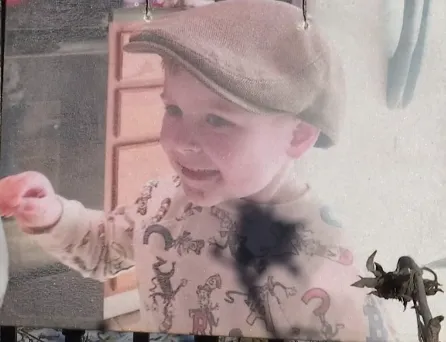
The announcement came quietly, without drama.
No courtroom outburst.
Just an acknowledgment that the trial would not continue.
By pleading guilty, the man admitted responsibility for the crash.
He admitted that fleeing police led directly to the deaths of two children.
He admitted, at least legally, that the outcome was not an accident but a consequence.
A judge will now determine his sentence.
There will be no jury weighing evidence.
No debate over what happened at the intersection.
The facts are no longer disputed.
The crash happened during a police chase.
Two children died.
For prosecutors, the plea avoids a painful trial.
For the family, it avoids reliving every detail in open court.
But it does not end the grief.
Sentencing will bring its own anguish.
Years will be discussed.
Numbers will be attached to lives that cannot be quantified.
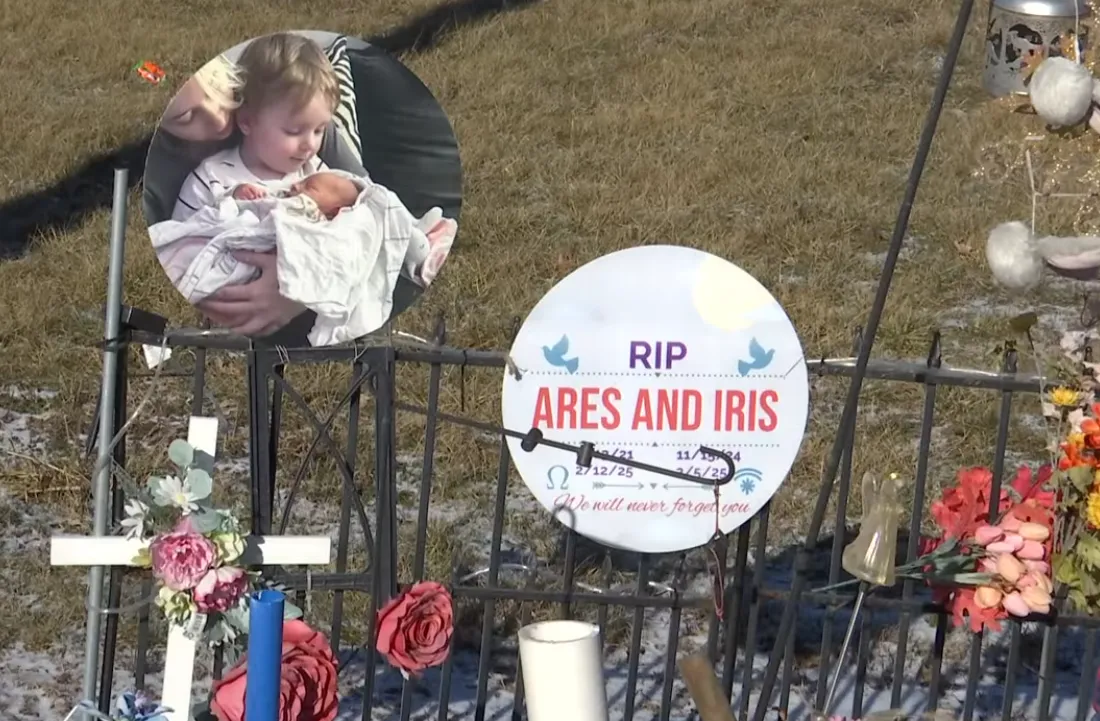
No sentence can balance the loss of a two-month-old.
No prison term can replace a three-year-old’s laughter.
Justice, in this case, will always feel incomplete.
Police departments across Indiana have pointed to the case as a warning.
High-speed chases carry risks far beyond the suspect.
Innocent lives are often the ones most affected.
Law enforcement agencies continue to evaluate pursuit policies.
When to chase.
When to disengage.
But those questions come too late for this family.
Their children were already gone.
Policy debates cannot rewrite that reality.
Neighbors remember the children as ordinary and joyful.
A baby just beginning to recognize faces.
A toddler who loved simple pleasures.
They were not part of the chase.
They were not part of any crime.
They were simply in the wrong place at the wrong time.
The parents have spoken little publicly.
Their grief is private and consuming.
Some pain does not translate into words.
In court filings, the defendant’s decision to plead guilty was described as acceptance of responsibility.
But responsibility does not erase consequences.
It only acknowledges them.
The judge who will sentence him carries a heavy burden.
Balancing punishment, deterrence, and the weight of loss.
Knowing no ruling will feel sufficient.
The courtroom will be quiet on the day of sentencing.
Family members may attend.
Photos of two children may be held close.
There will be statements.
There will be tears.
There will be silence where children should be.
Outside the courthouse, traffic will continue.
Lights will change from red to green.
Life will move forward for everyone else.
But for one family, time stopped in February 2025.
It stopped at an intersection.
It stopped with a crash that should never have happened.
This case is not just about one man pleading guilty.
It is about the cost of fleeing.
The cost of seconds saved at the expense of lives lost.
Two children never got the chance to grow.
Never got the chance to forget the crash that killed them.
Never got the chance to live beyond that day.
Their names will not appear in legal headlines.
But their absence will be felt every day by those who loved them.
In empty rooms and quiet mornings.
The guilty plea closes one chapter of the case.
But it does not close the story.
Grief does not follow legal timelines.
As sentencing approaches, the community waits.
Not for closure, but for accountability.
For acknowledgment that what happened matters.
Two months.
Three years.
A lifetime stolen in a single decision to run.
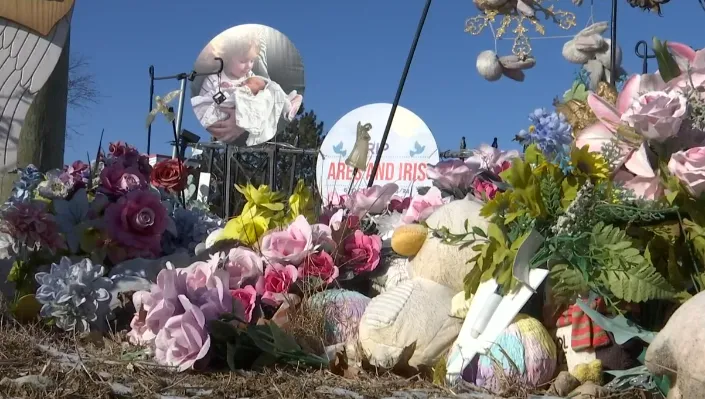
The road where it happened looks the same now.
But for those who know the story, it never will.
Because beneath the asphalt lies a reminder of how quickly everything can be lost.
From Abandoned to Adored: Three Resilient Pups’ Journey from Trash to Triumph 458


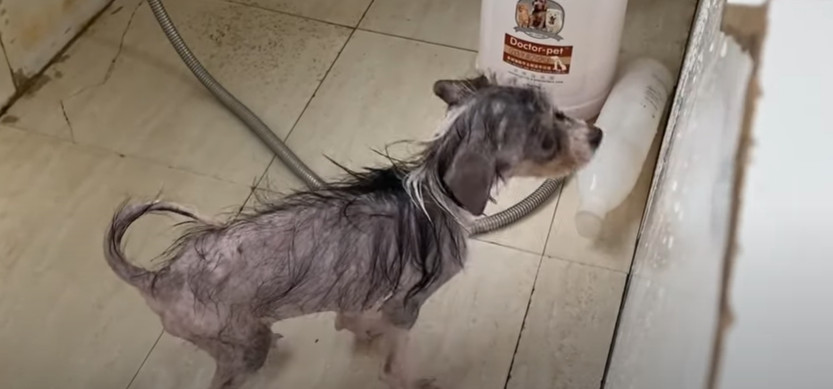
The day we discovered three tiny pups abandoned in the trash was a moment none of us will ever forget. Frail and trembling, they were marked by bald patches and inflamed skin, the visible scars of neglect and a harsh environment. Each tiny body seemed to carry the weight of unimaginable suffering, yet their eyes still held a spark of trust that left us awestruck.
Though fragile, the pups’ initial veterinary tests brought a small relief: they were free from life-threatening illnesses like canine distemper and parvo. But their trauma ran deeper than disease. Their skin was sensitive and raw, a physical reminder of the adversity they had endured. The challenge ahead was clear—they needed careful, consistent care to recover, and our mission was to ensure they received it.
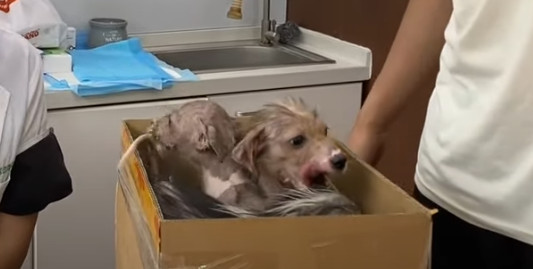
Our first step was to bring them to a veterinarian who prescribed medicated baths to soothe their inflamed skin. Witnessing their discomfort was painful, but it also marked the start of a hopeful journey. We consulted Dean Chen, a trusted veterinarian, who reassured us that, with patience and proper treatment, their fur would regrow and their health would return. That knowledge offered a glimmer of hope amid the sadness of their plight.
Back at our farmhouse, we created a safe, quiet space for the pups, away from any disturbance. Nutritious meals were prepared daily to restore their strength, and medicated baths became a gentle routine every few days. At first, they were wary, unsure if humans could truly be trusted. Each movement was tentative, each glance cautious. Yet slowly, their innate trust began to emerge, a quiet testament to their resilience.
As days passed, remarkable changes unfolded. Their skin began to heal, the inflammation subsided, and their energy returned. More importantly, their playful spirits began to shine through—chasing each other, exploring their surroundings, and responding to gentle attention with wagging tails and tentative nudges. Witnessing their transformation was both heartwarming and humbling.
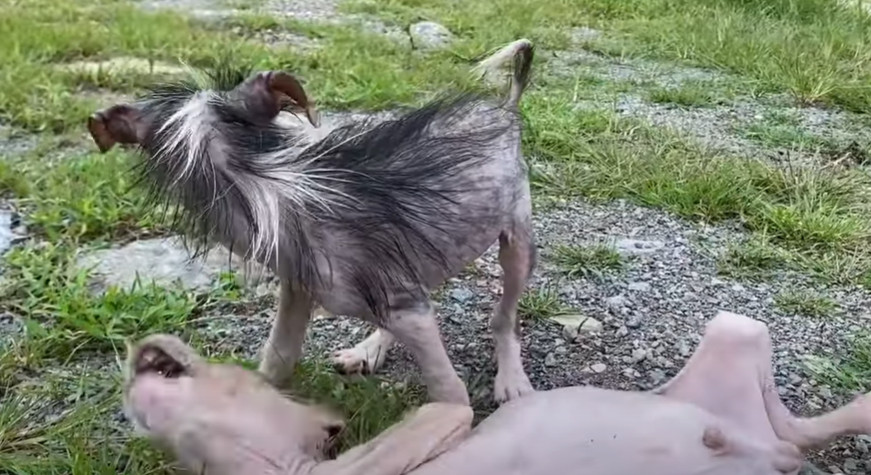
The bond between us and the pups deepened with each passing day. Patience was key, as trust, once broken, required time to rebuild. Yet step by step, they grew more comfortable, following us around, seeking affection, and showing glimpses of joy that had once seemed impossible. Their capacity to forgive, to embrace love again, was profoundly moving.
This journey has been a powerful reminder of the resilience inherent in these innocent creatures. Despite the neglect and suffering they endured, the pups were able to bounce back, seeking affection and connection. Their story underscores the transformative power of compassion—how consistent care, patience, and love can restore not only health but the very spirit of those who have been abandoned.
As the pups grow stronger, our commitment to their well-being remains unwavering. Every meal, every bath, every gentle word is part of ensuring they never again face the neglect that once marked their lives. We hope, in time, that they find forever homes where they will be cherished, safe, and loved unconditionally.
These three little pups have taught us invaluable lessons about perseverance, trust, and the quiet courage of the most vulnerable. From the darkness of abandonment to the warmth of care and affection, their journey is a testament to hope, healing, and the incredible capacity of the human heart to change lives.