Tragedy on West Sixth Street: Remembering Ryder Harrington After the Austin Mass Shooting 4446
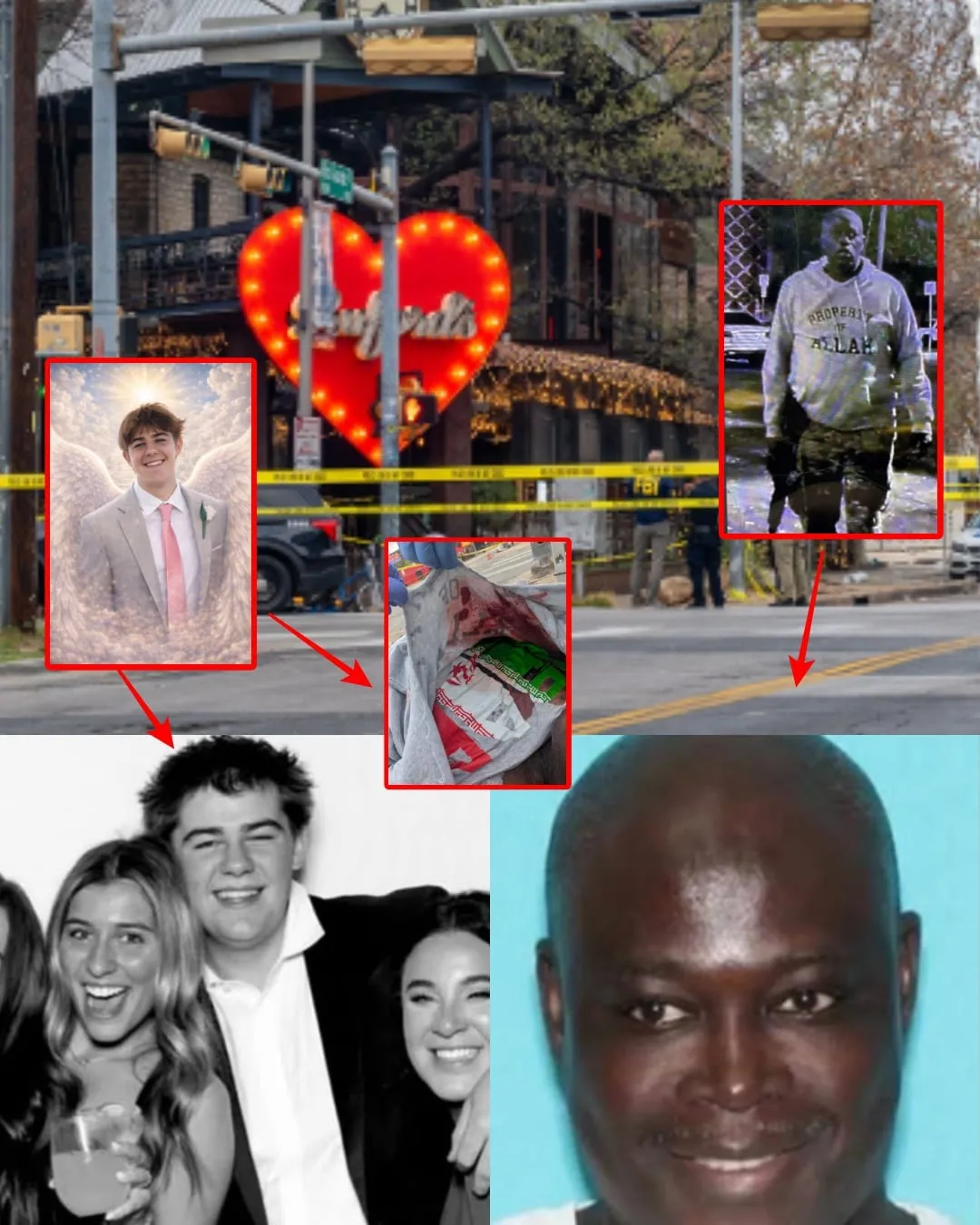
In the early hours of March 1, 2026, youth and laughter filled the streets of downtown Austin as people poured into the city’s vibrant nightlife district.
The glow of neon signs lit up Fifth and Sixth Streets, music pulsed from bars, and crowds mingled in the warmth of late winter as students and locals alike enjoyed their weekend.
But that bustling energy would soon be shattered by gunfire — a sudden eruption of violence that would leave the city reeling and families forever changed.
Just before 2 a.m., outside
Buford’s Backyard Beer Garden on West Sixth Street, chaos erupted in a scene no one ever expected.
A gunman driving a Cadillac SUV pulled up near the popular bar, turned on his flashers, and opened fire at patrons on the patio and people walking by.
Within moments, the joyful atmosphere became a nightmare as screams and confusion replaced laughter, and the first shots signaled the start of a devastating attack.
People ducked behind tables and collapsed to the ground in panic, unsure where the next bullet might come from.
Some dove into alleyways, some crawled into doorways, and others froze, stunned by the surreal and terrifying sound of bullets tearing through the quiet of the morning.
The carnage continued as the shooter parked, exited his vehicle, and kept firing at anyone in sight, turning a celebration of life into an indiscriminate slaughter.
Within minutes, Austin police officers who were already patrolling nearby raced toward the scene after the first 911 calls came in.

Responding swiftly, they confronted the gunman near the corner of Sixth and Wood Streets and engaged him in a brief exchange of gunfire.
Officers eventually shot and killed the attacker, stopping the rampage but leaving behind a trail of devastation in his wake.
By the end of the attack, at least two young lives were gone and more than a dozen others were wounded, many critically.
Among the injured were students and visitors who had simply been enjoying a night out, their plans abruptly shattered by violence that had come from nowhere and changed everything in an instant.
The air, once filled with music and conversation, now echoed with sirens, cries for help, and stunned disbelief as first responders worked to aid the wounded.
Soon after, investigators confirmed that the shooter was
53‑year‑old Ndiaga Diagne, a man not previously known to law enforcement for extremist activity.
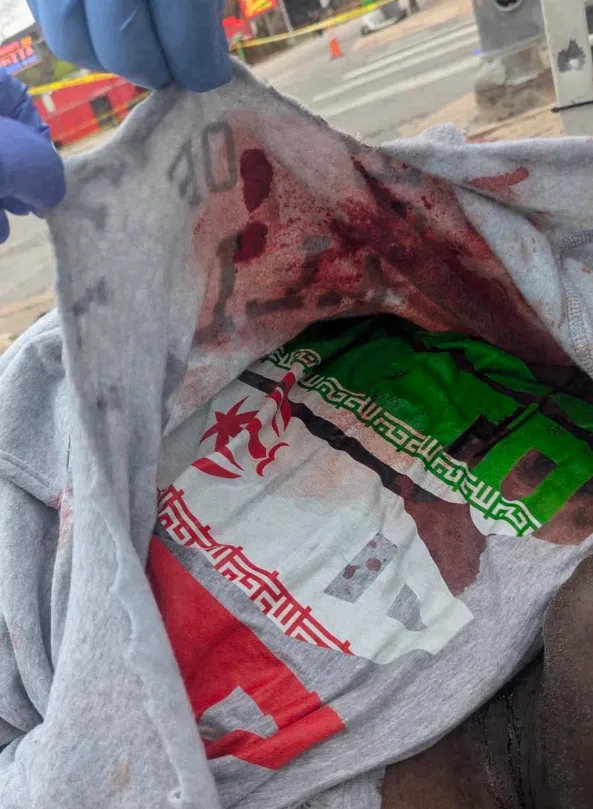
Police revealed that he had legally purchased the weapons used in the attack and was dressed in clothing that featured an Iranian flag and religious symbols, prompting federal agencies to investigate whether the shooting had any connection to foreign terrorism.
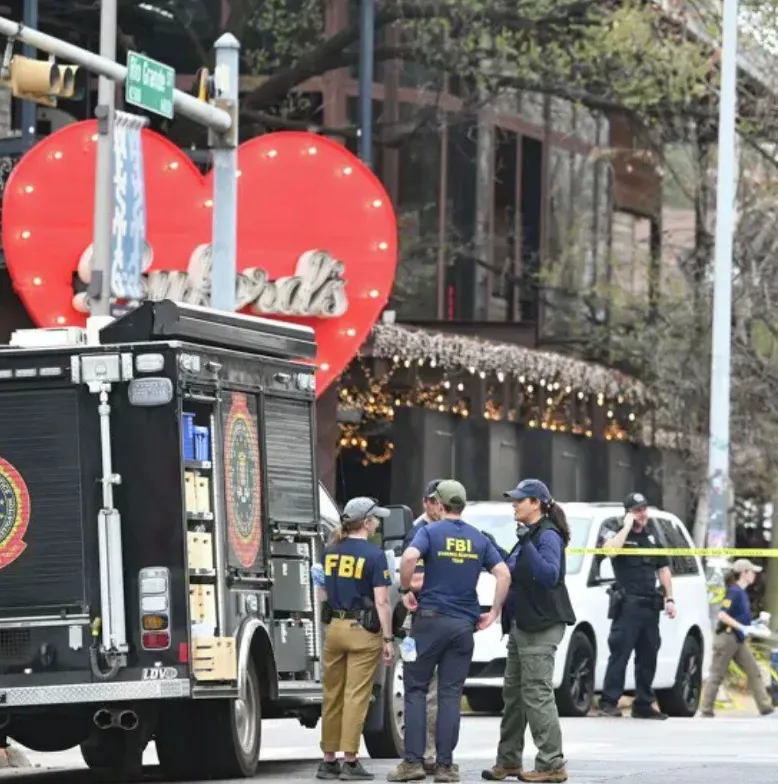
While authorities stressed it was too early to determine a motive, they acknowledged the possibility of a terror‑related link and deployed the FBI’s Joint Terrorism Task Force to assist with the inquiry.
In the tragic toll of that early morning, two college students lost their lives instantly — and their sudden deaths sent shockwaves through both local campuses and the entire Austin community.
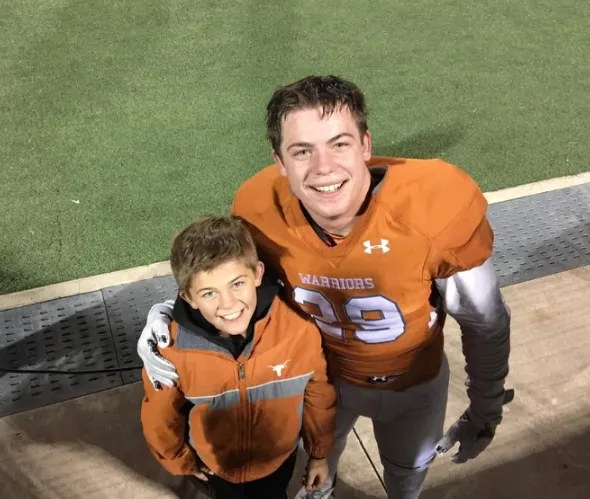
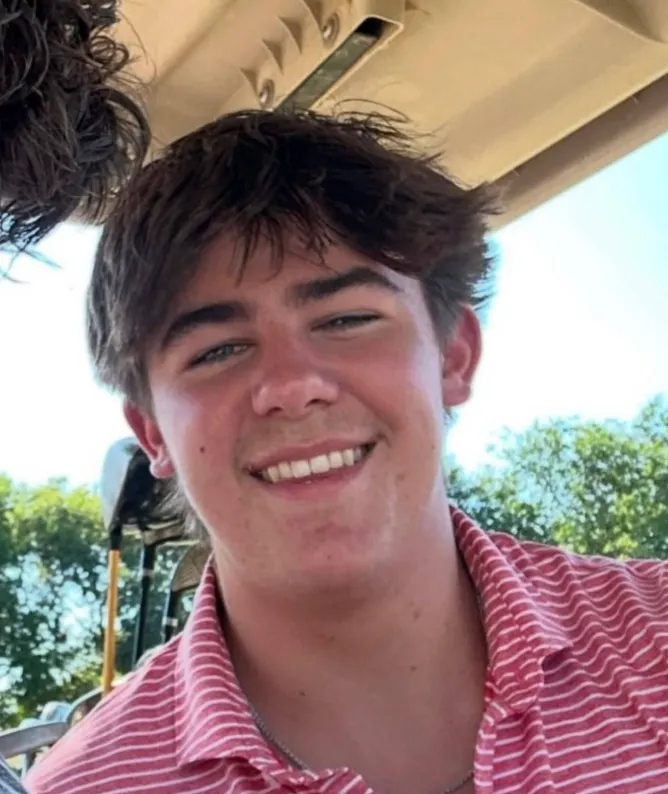
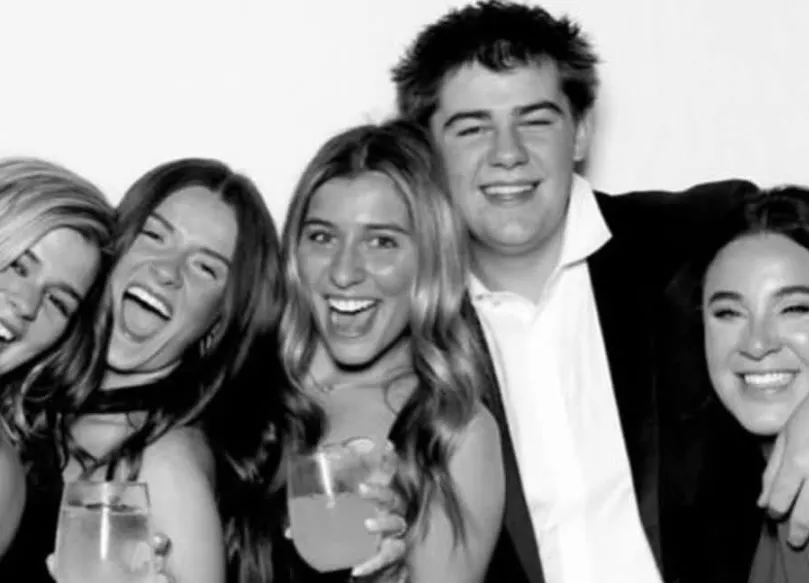
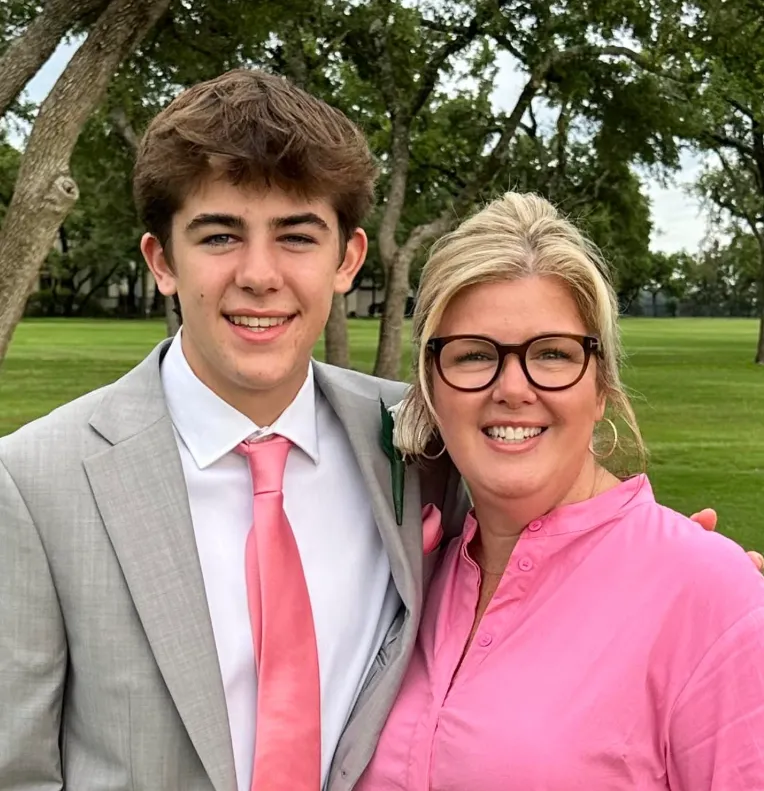
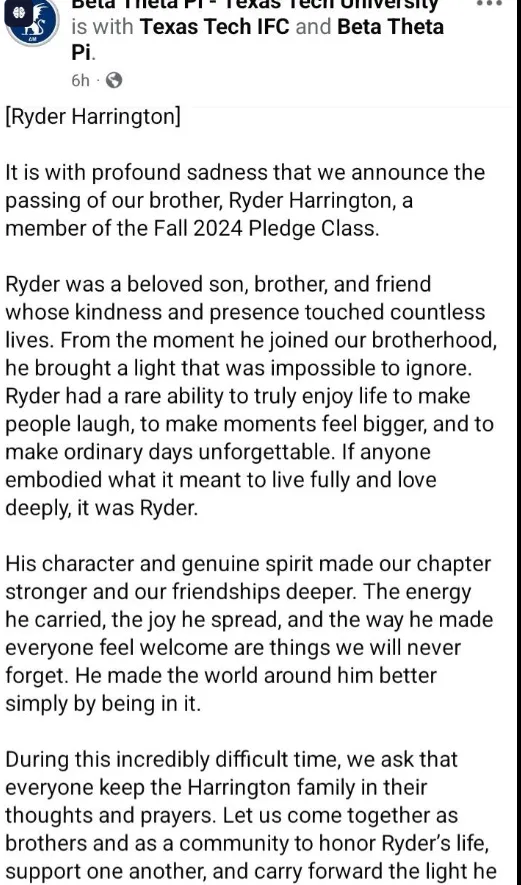
One of those killed was 19‑year‑old Ryder Harrington, a beloved student at Texas Tech University and a pledge of the Beta Theta Pi fraternity’s Fall 2024 class, remembered for his warmth, joy, and the way he lit up room after room with his presence.
The other was 21‑year‑old Savitha Shan, a dedicated and promising student at the University of Texas at Austin, whose life and potential had also been cut short in the senseless violence.
For Ryder’s family and friends, the news was unbearable — a vibrant young man with his whole life ahead of him had been struck down without warning.
Tributes poured in from classmates, fraternity brothers, and the wider Texas Tech community, describing him as a “beloved son, brother and friend” whose laughter and kindness touched countless lives.

Social media posts and memorials spoke of his energy, his dedication, and the profound sense of loss felt by all who knew him, capturing how deeply his absence would be felt for years to come.
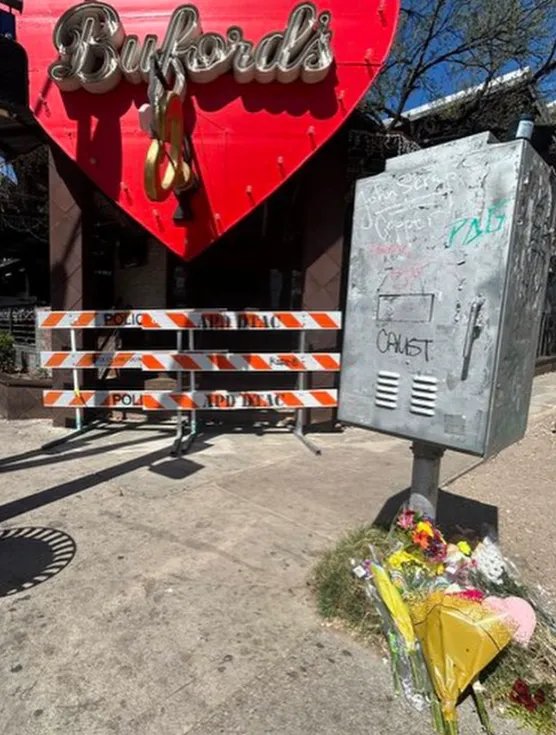
In the hours following the shooting, friends and strangers alike gathered outside Buford’s and on West Sixth Street, laying flowers, lighting candles, and leaving heartfelt notes at makeshift memorials.
People held each other, cried openly in public spaces, and struggled to make sense of why such violence had erupted in the heart of one of Austin’s most beloved nightlife areas.
The crowd was a mosaic of students and longtime Austinites, all united by grief and disbelief, each person trying to grasp the enormity of what had transpired on a night meant for celebration.
Meanwhile, authorities continued their investigation, interviewing more than 150 witnesses and reviewing thousands of hours of video footage in hopes of piecing together what had happened before, during, and after the shooting.
They sought to understand what triggered the violence, whether any warning signs had been missed, and how a tragedy of this scale could occur in a city known for its vibrant culture and community spirit.
As law enforcement sorted through physical evidence and digital records, they also worked to provide support and answers to the many who were left reeling in the aftermath.
Back on campus at Texas Tech University, student life was abruptly interrupted by the news, as professors, classmates, and administrators rallied to support one another.
Counselors were made available to students struggling with grief and fear, and officials urged families and friends to lean on each other for strength as they processed the shock of losing someone so young.
Fraternity brothers of Beta Theta Pi shared memories ranging from late‑night talks to shared laughs on game days, painting a picture of Ryder as someone who “truly enjoyed life and made ordinary moments unforgettable.”
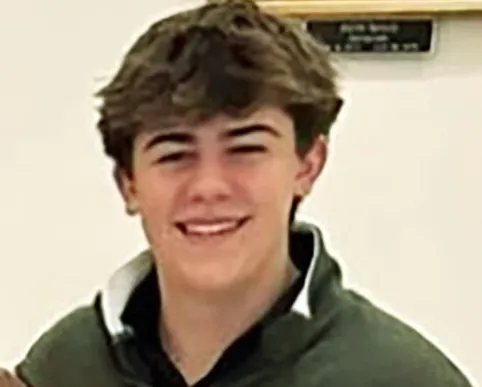
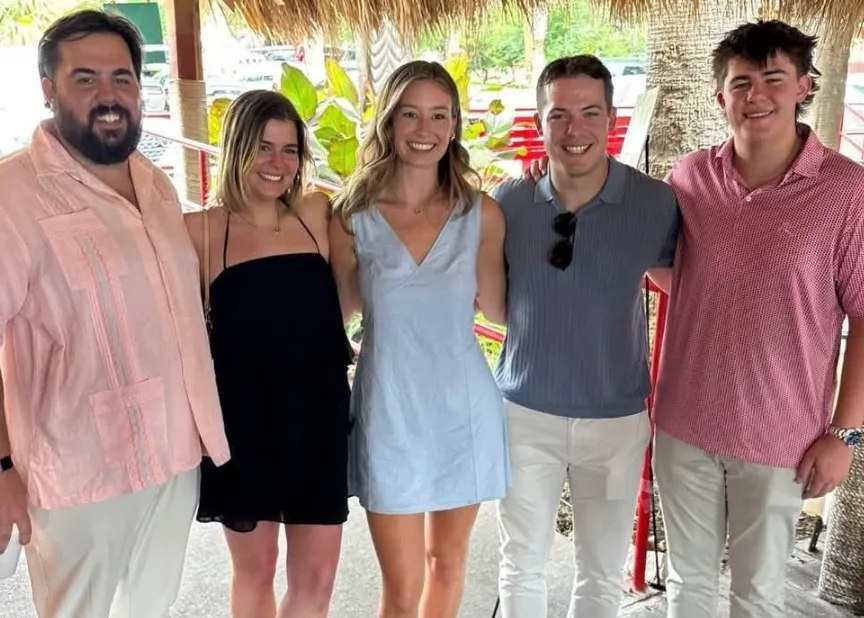
Ryder’s brother, Reed Harrington, publicly shared his heartbreak, describing how unfair it felt that his younger sibling had only been granted 19 years on earth.
In emotional posts on social media, he recalled Ryder’s vibrant personality, the bond they shared as siblings, and the future that would now never unfold.
His words resonated with many, reminding those who read them that Ryder’s impact extended far beyond his years, and that his memory would be held dearly by all who loved him.
In Austin, friends of Savitha Shan also mourned her loss and spoke of the promise she held as a student and as a person dedicated to making a difference in the world.
University leaders expressed sorrow and offered support to the UT Austin community, emphasizing that her presence had enriched the lives of those around her.
The dual loss of two young lives — both filled with potential and ambition — deepened the community’s grief and underscored the senseless nature of the violence that had unfolded.
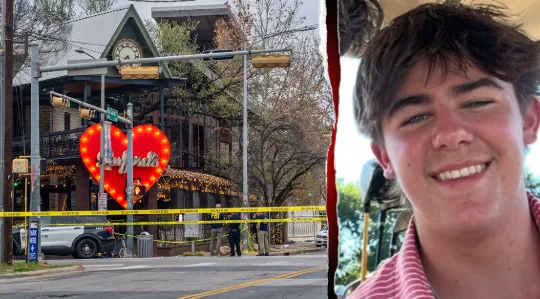
As the days passed, the injured continued to recover in hospitals, with families holding vigils and prayers for those still healing from physical wounds and emotional trauma.
Friends checked in on one another, sharing messages of solidarity and trying to find comfort in shared memories while grappling with the fear and confusion left behind by the attack.
Although physical wounds can heal, the emotional scars carried by survivors, friends, and families would linger long after the hospital visits ended.
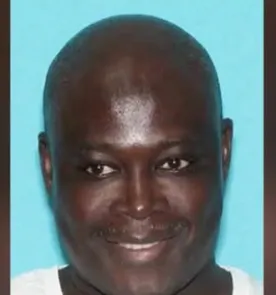
Local officials and community leaders echoed messages of unity and resilience in the wake of the shooting, acknowledging the pain while encouraging compassion and support for all affected.
“We will stand together through this dark chapter,” one community leader said, emphasizing that love must be stronger than fear.
Organizations set up fundraising efforts — including **GoFundMe campaigns to help Ryder Harrington’s family with funeral and memorial costs — drawing contributions and messages of condolences from across Texas and beyond.
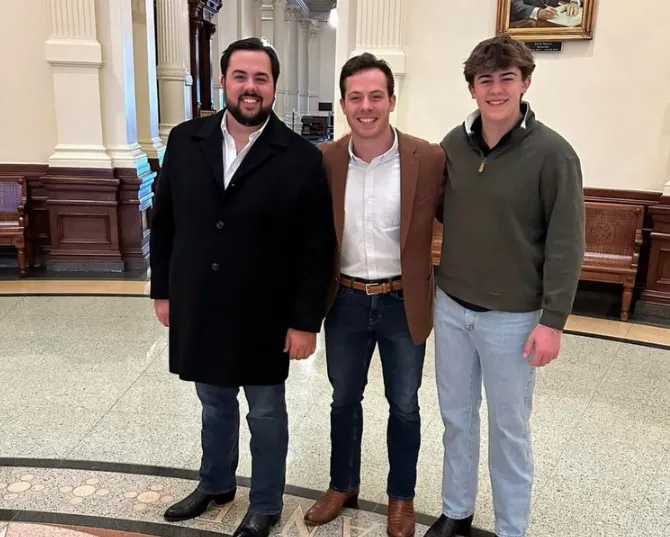
For many, the shock of the shooting rippled far beyond Austin, sparking conversations about gun violence, public safety, and how communities can better protect young people in social spaces.
Discussions emerged among students and educators about improving campus and nightlife district security, strengthening emergency response protocols, and fostering environments where young adults can gather without fear.
The tragedy prompted calls for empathy, awareness, and meaningful action to prevent future violence — even as investigators continued to pursue answers about what motivated the gunman’s actions.
In homes across Texas, families held tight to one another, reflecting on the fragility of life and the precious nature of moments spent with loved ones.
Conversations turned to future plans, dreams, and the importance of cherishing every opportunity to make memories, as parents and siblings alike were reminded that life can change in an instant.
The loss of Ryder, Savitha, and others touched by this tragedy became a catalyst for deeper appreciation and connection within families and friendships alike.
As spring approached, tributes continued to appear outside Buford’s Backyard Beer Garden — flowers, photos, letters, and candles lining the street in remembrance of those who lost their lives.
Strangers stopped to place tokens of respect, residents shared moments of silence during evening walks, and the city came together in reflection, honoring the memories of those taken too soon.
These memorials served as reminders that even in collective pain, communities can find ways to support one another and ensure that the lives lost are never forgotten.
Though months would pass, the impact of that night would linger in the hearts of those who experienced it or learned of it from afar.
Friends returned to their routines with heavy hearts, carrying memories of laughter and shared experiences that now carried deeper meaning.
And while the world moved forward, the memory of a young man like Ryder Harrington — vibrant, beloved, and taken too soon — remained a poignant reminder of both life’s fragility and the enduring power of love.