THE SONG THAT MADE HALF THE COUNTRY CHEER — AND THE OTHER HALF TURN AWAY. When “Okie from Muskogee” hit the airwaves, it didn’t ask permission. It struck like a match in dry grass. Some listeners heard pride and familiarity. Others heard an accusation they weren’t ready to sit with. Merle Haggard never rushed to explain it or soften a single line. He let people argue. Let families debate it across dinner tables. Let strangers pour their own beliefs into the song. That silence was the point. Merle understood something most artists never do: once a song leaves your mouth, it no longer belongs to you. So was Merle Haggard celebrating America — or daring it to look at itself in the mirror? – Country Music
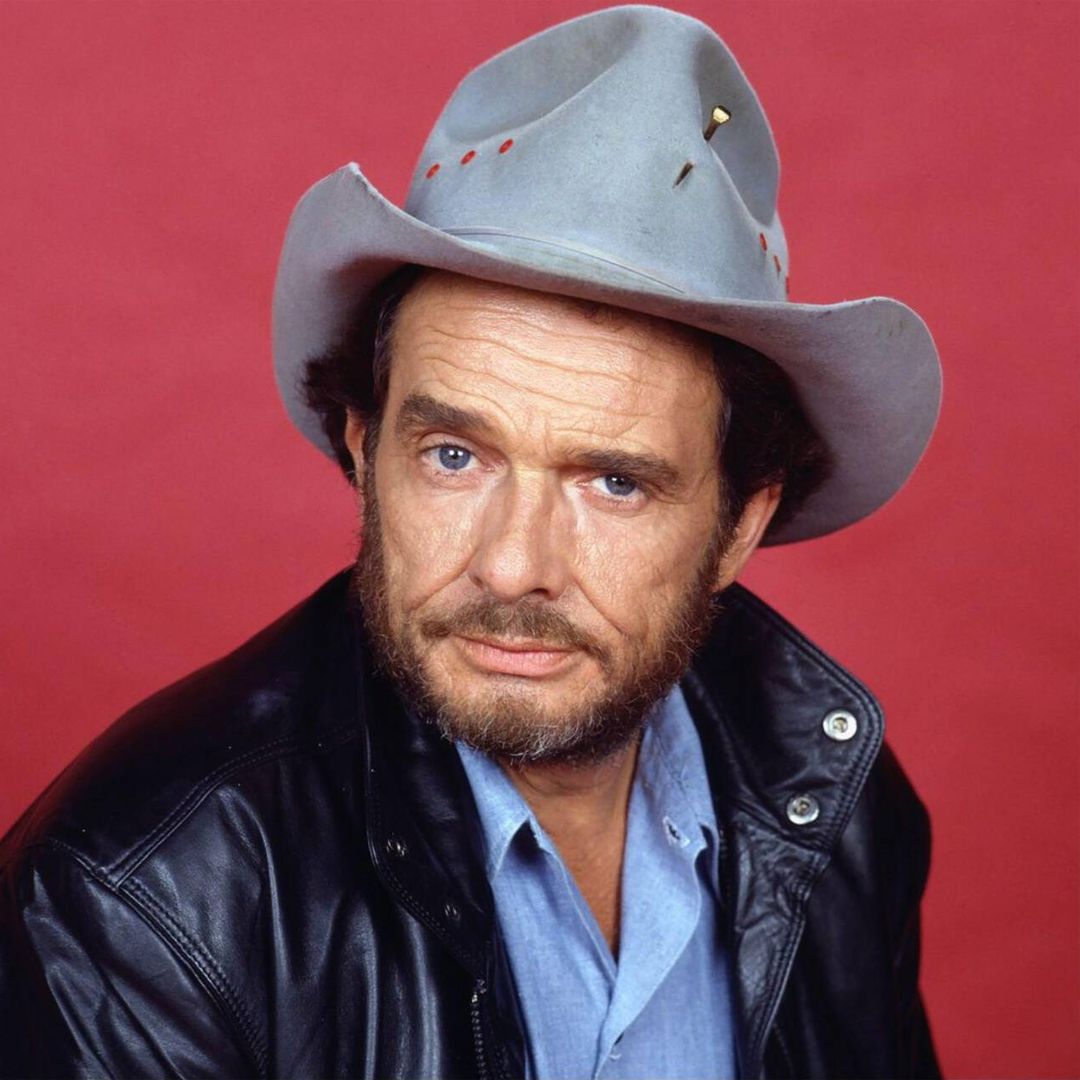
When “Okie from Muskogee” hit the airwaves in 1969, it didn’t arrive quietly. It didn’t warm up the room or ask how anyone felt. It walked in, planted its boots on the floor, and said exactly what it wanted to say. Some people smiled immediately. Others stiffened. Almost everyone had an opinion.
America was already tense. The Vietnam War was stretching families thin. College campuses were loud with protest. Long hair, draft cards, and cultural lines were everywhere. Into that moment stepped Merle Haggard, a man who knew prison bars, hard labor, and small-town routines better than most people lecturing on television.
“Okie from Muskogee” sounded simple on the surface. A list of what the singer didn’t do. Didn’t smoke marijuana. Didn’t burn draft cards. Didn’t challenge authority for sport. For listeners who recognized themselves in those lines, the song felt like relief. Like someone finally said out loud what they had been quietly thinking.
For others, it felt like a finger pointed straight at them.
A Song That Refused to Explain Itself
Merle Haggard never rushed to clarify what the song meant. He didn’t hold press conferences to decode lyrics. He didn’t soften the edges when critics pushed back. He let the silence do the work.
That choice mattered.
Because as the song climbed the charts, it stopped being just music. It became a conversation. Families argued over it at dinner tables. Co-workers debated it during lunch breaks. DJs introduced it carefully, knowing phones might ring the moment it ended.
Some heard celebration. Others heard judgment. And Merle Haggard allowed both interpretations to exist at the same time.
Once a song leaves your mouth, it no longer belongs to you.
That idea guided everything Merle Haggard did next. He watched the reactions without stepping in. Not because he didn’t care, but because he understood something deeper: people don’t just hear songs. They bring themselves into them.
The Man Behind the Voice
Merle Haggard was not a distant observer of American struggle. He had lived inside it. He had been incarcerated. He had worked manual jobs. He had seen both sides of authority and rebellion. That complexity mattered, even when audiences preferred to flatten the message.
To some critics, “Okie from Muskogee” sounded like mockery. To others, it sounded sincere. Merle Haggard never corrected either camp. Years later, he would acknowledge that the song reflected a moment, a feeling, and a voice that existed whether people liked it or not.
The truth is uncomfortable: the song worked because it wasn’t clean. It wasn’t polite. It didn’t offer a neat moral bow at the end.
Why the Song Still Divides
Decades later, “Okie from Muskogee” still carries weight. Not because of its melody, but because of what it forces listeners to confront. Identity. Belonging. Who gets to define patriotism. Who feels spoken for — and who feels spoken against.
Merle Haggard never framed himself as a spokesperson for everyone. He sang from a place he understood and let the country argue with itself afterward.
That argument never really ended.
In a way, that is the song’s legacy. It didn’t settle anything. It exposed fault lines that were already there. It reminded people that music doesn’t just entertain — it reflects.
Mirror or Message?
So was Merle Haggard celebrating America, or daring it to look at itself in the mirror?
The most honest answer might be this: he didn’t choose for you. He handed the song over and stepped back. What listeners heard said as much about them as it did about the man singing.
And maybe that’s why “Okie from Muskogee” still matters. Not because it tells people what to think, but because it proves how deeply people care when a song touches something real.
Merle Haggard understood that silence, sometimes, speaks louder than explanation.
Post navigation
IN 1977, ONE SONG TURNED A $300 MILLION MOVIE INTO A TRUCKER ANTHEM
In the summer of 1977, movie theaters were packed, highways were crowded, and something unexpected started pouring out of car radios across America. It wasn’t a carefully crafted message or a polished Nashville hit. It was a song that sounded like motion. Like momentum. Like a long stretch of road that didn’t care who you were, as long as you kept driving.
“East Bound and Down” arrived with the movie Smokey and the Bandit, a film that would go on to earn more than $300 million worldwide. On paper, the song was just part of the soundtrack. In reality, it escaped the screen almost immediately. It didn’t stay put. It rolled out into truck stops, CB radios, late-night drives, and the everyday lives of people who recognized themselves in its rhythm.
A SONG THAT DIDN’T TRY TOO HARD
What made “East Bound and Down” work was what it didn’t do. It didn’t chase elegance. It didn’t slow down to explain itself. The beat felt like tires humming against asphalt. The melody felt like headlights cutting through darkness at 2 a.m. The lyrics weren’t poetic in a fancy way, but they were honest. They spoke the language of movement, deadlines, and the quiet pride of getting from one place to another.
By 1977, the song climbed to No. 2 on the country charts. That mattered, but not as much as what happened outside the charts. Truckers turned it up. Drivers left it playing. Radios stayed loud even when the signal faded. The song didn’t feel owned by the movie anymore. It felt borrowed by the road.
THE SNOWMAN IN THE PASSENGER SEAT
For many listeners, the voice in the song wasn’t just a singer. It was Snowman, the character behind the wheel in Smokey and the Bandit. He wasn’t chasing glory. He was chasing time. Deadlines. Distance. Freedom measured in miles rather than applause.
When “East Bound and Down” played, Snowman felt like he was riding shotgun through the speakers. Every mile felt lighter. Every stretch of empty highway felt like part of a shared secret. The song didn’t promise success. It promised movement. And sometimes, that was enough.
FROM MOVIE SCENE TO MOVING SOUNDTRACK
The late 1970s were already obsessed with cars, speed, and escape. But “East Bound and Down” didn’t glorify recklessness. It glorified persistence. Keep going. Stay alert. Don’t stop unless you have to. That message resonated far beyond the movie audience.
At truck stops, the song blended naturally with the smell of diesel fuel and bad coffee. On long drives, it became a companion. Not background noise, but a signal that the night wasn’t empty. That someone else understood what it felt like to be awake while the rest of the world slept.
Some songs belong to a moment. Others belong to a place. “East Bound and Down” belonged to motion. It didn’t ask permission. It didn’t slow down to impress anyone. It trusted the listener to feel it rather than analyze it.
That’s why the road claimed it. Not critics. Not awards. The people who measured time in miles, not minutes, decided what the song meant. And once they did, it stopped being just a country song tied to a movie. It became a rhythm for long drives and open highways.
A SOUND THAT STILL MOVES
Decades later, “East Bound and Down” still carries that feeling. Turn it on, and something shifts. The room feels wider. The road feels closer. Even if you’re not driving anywhere, the song reminds you what freedom sounds like when it doesn’t ask for approval.
It’s the hum of an engine. The glow of dashboard lights. A voice saying keep going, even when no one is watching.
Do you remember Snowman riding shotgun through your speakers, making every mile feel lighter?