She Tried to Get Away: What Happened to Yuan Yuan Lu in Her Final Moments 4337
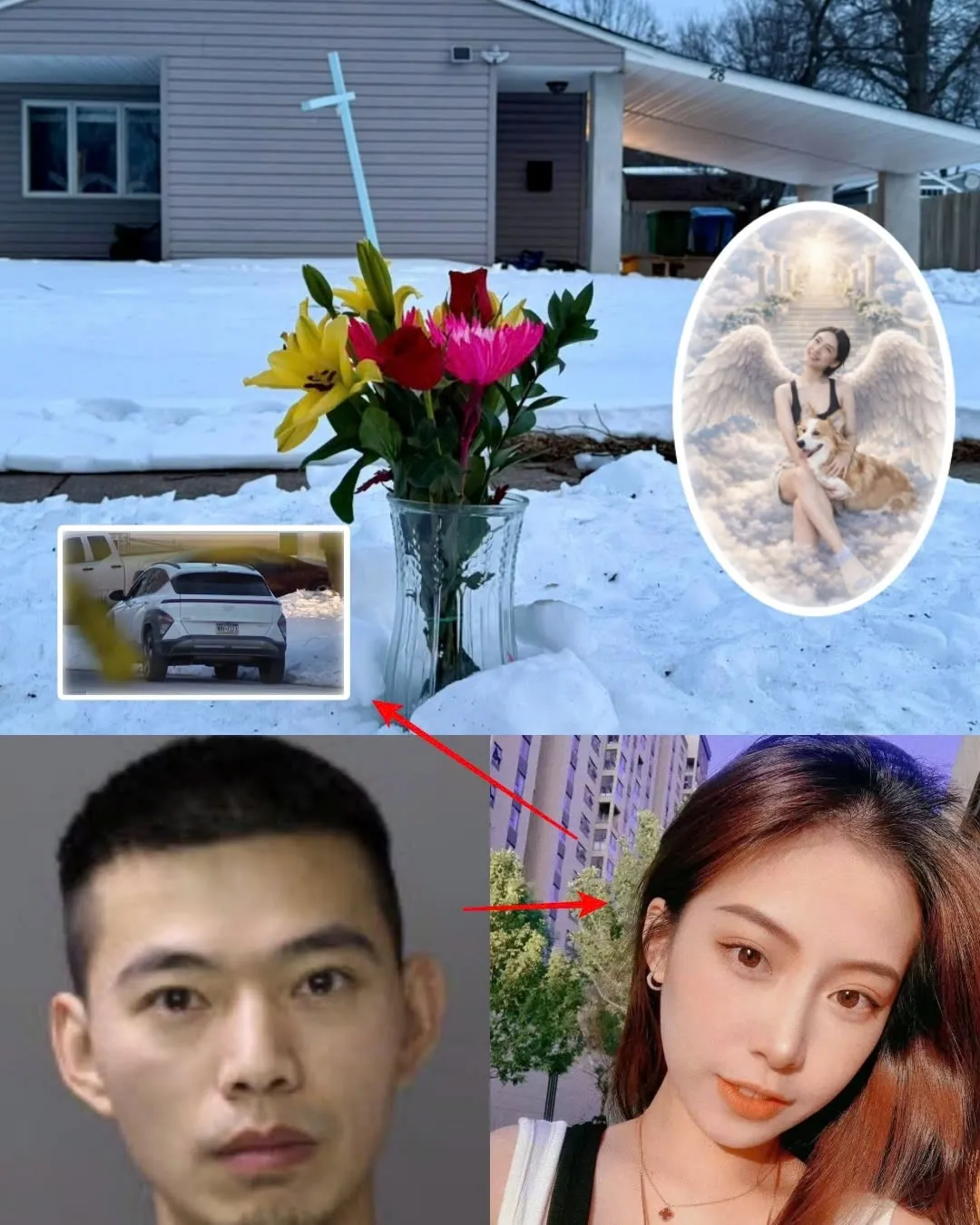
The morning began like so many others.
Cold February air lingered over Bucks County.
Nothing about the light suggested it would frame a crime scene before noon.
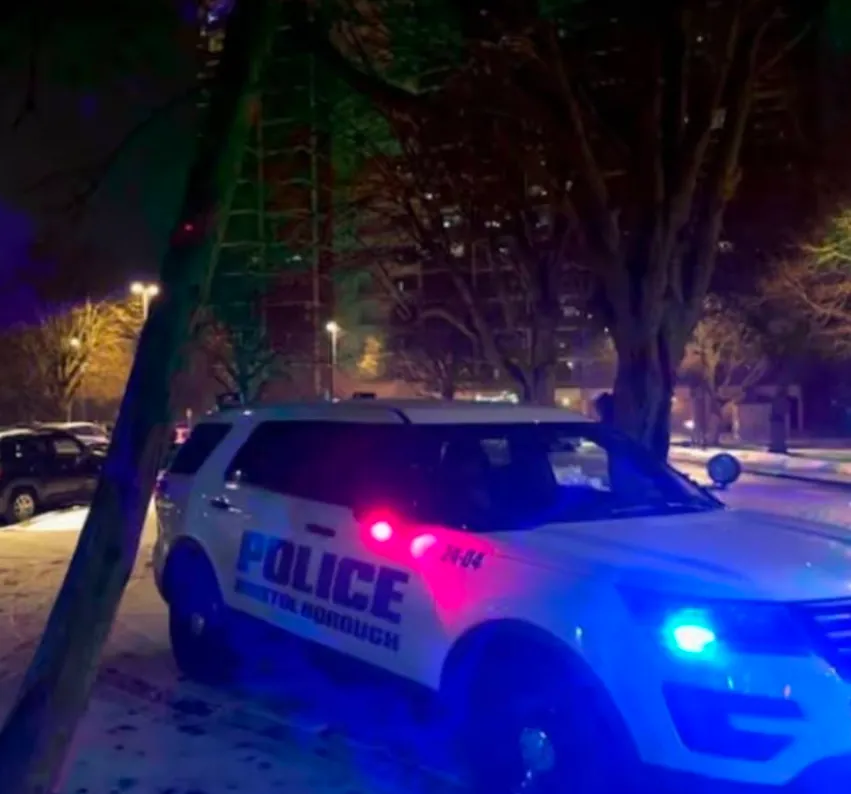
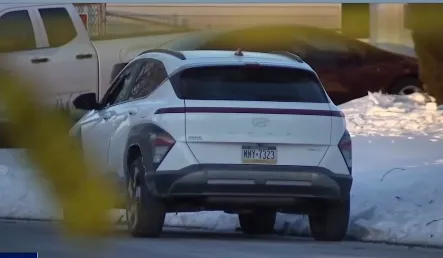
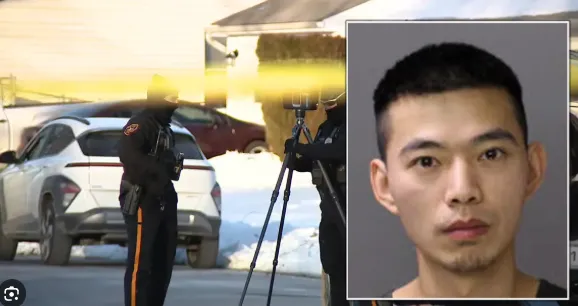
By 12:30 p.m. on February 9, 2026, detectives would stand outside a vehicle on Outlook Lane in
Bristol Township.
Inside the driver’s seat sat Yuan Yuan Lu.
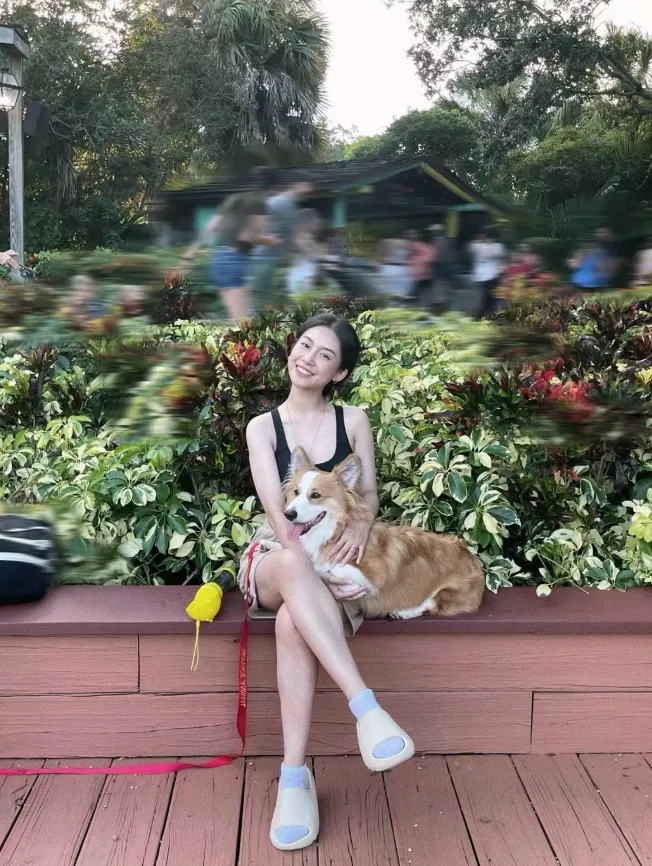
She had been shot in the head.
She was pronounced dead at the scene.
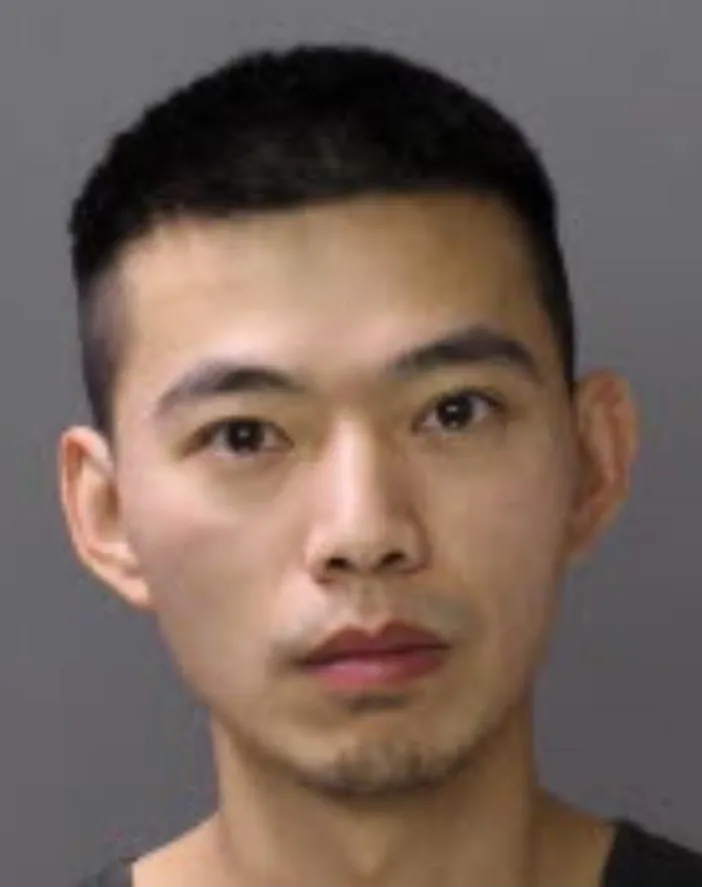
Hours earlier, 32-year-old Yujun Ren
had walked into police headquarters with his attorney.
He turned himself in.
He led officers to her.

Investigators say what happened that day was not sudden.
It was the culmination of what District Attorney
Joe Khan described as a “chilling course of conduct.”
A pattern, not a moment.
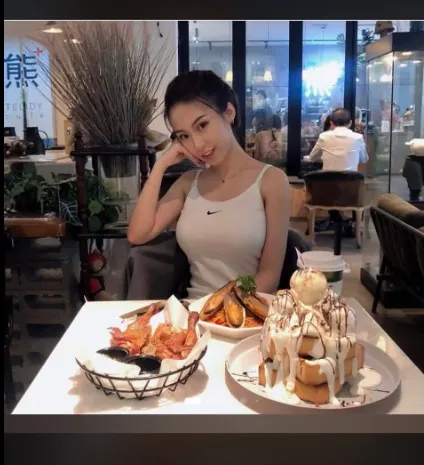
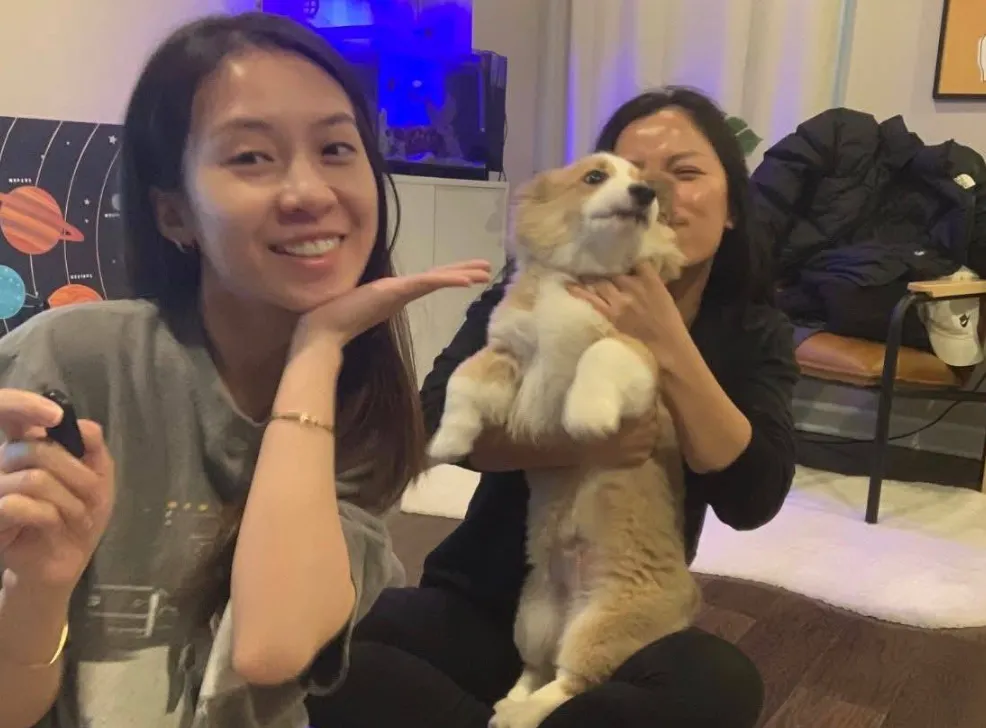
Lu and Ren had been dating for nearly a year.
They primarily lived in Philadelphia.
But when the relationship deteriorated, she returned to a residence in Bucks County.
According to court documents, the night before her death, Lu went to police.
She reported that Ren had sexually assaulted her earlier that day at his home.
She sat in a recorded interview and spoke through fear.
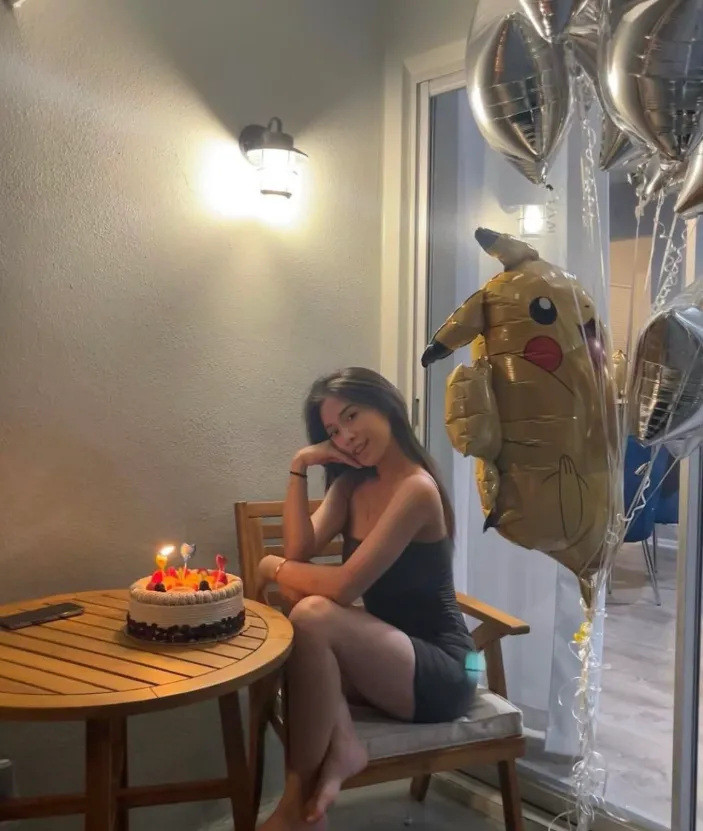
She told detectives she had decided to end the relationship.
She had packed her belongings.
She had blocked his number.
She expressed concern for her safety.
She said he carried a gun at all times.
She said she wanted out.
A friend later told investigators that Lu had confided in her the week before.
She had spoken of abuse.
She had been encouraged to report it.
Her only goal, the friend said, was to leave.
Leaving is often described as the most dangerous moment in an abusive relationship.
Control begins to slip.
Fear begins to sharpen.
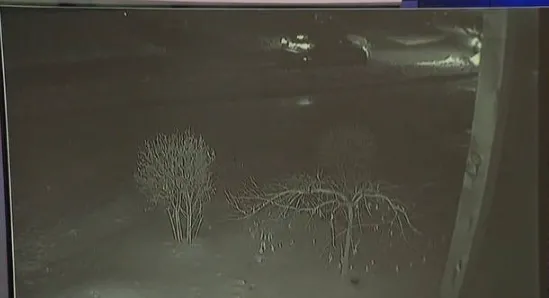
Investigators say surveillance footage shows Ren began stalking her vehicle in the early morning hours of February 9.
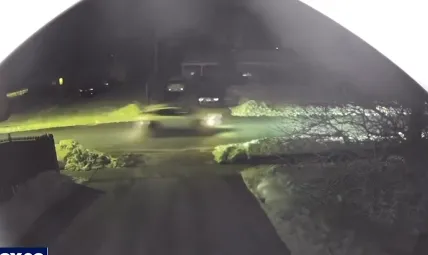
Ring camera video around 5:45 a.m. allegedly shows Lu driving.
A vehicle believed to be Ren’s followed closely behind.
It was not coincidence.
It was proximity with purpose.
It was presence without permission.
By midday, that presence turned permanent.
Police say Ren later told them he was standing outside Lu’s car.
He claimed she said “hurtful things.”
He claimed she mentioned taking their pets.
He told investigators he removed a gun from his waistband to scare her.
He said the firearm discharged.
He framed it as escalation, not execution.
But prosecutors saw something different.
They saw stalking.
They saw pursuit.
They saw a woman who had reported violence hours earlier.
They saw a man who followed her anyway.
They saw a sequence, not an accident.
When detectives located Lu in the vehicle, the story shifted from fear to finality.
There was no ambulance ride.
There was no hospital corridor.
Only a parking area, a car, and silence.
Ren was charged with criminal homicide.
He was also charged with possession of an instrument of crime and stalking.

He was arraigned on February 9 and denied bail.
The legal process now moves forward in measured steps.
Court dates will be scheduled.
Evidence will be presented.
But before the courtroom, there is a human story.
Yuan Yuan Lu had taken action.
She had gone to police.
She had blocked contact.
She had articulated fear clearly.
There is something haunting about proximity to safety.
She had reported the alleged assault.
She had documented concern.
And yet within hours, she was dead.
Domestic violence cases often contain warning signs.
Escalation.
Obsession.
The refusal to accept separation.
The belief that leaving is betrayal rather than boundary.
The weaponization of control.
Authorities say Ren arrived at police headquarters with counsel before leading officers to the scene.
That detail lingers.
It suggests forethought.
The case now sits at the intersection of domestic abuse and fatal violence.
Experts often note that stalking behavior increases risk dramatically.
Patterns matter.
The term “chilling course of conduct” is not poetic.
It is prosecutorial language.
It signals accumulated evidence.
For Lu’s friends and family, language offers little comfort.
They remember conversations.
They remember her plans.
They remember her decision to leave.
Leaving requires courage.
It requires confronting fear directly.
It requires imagining a safer future.
Lu took those steps.
She packed belongings.
She blocked contact.
She reported assault.
Her friend described her determination simply: she wanted out.
Not revenge.
Not drama.
Freedom.
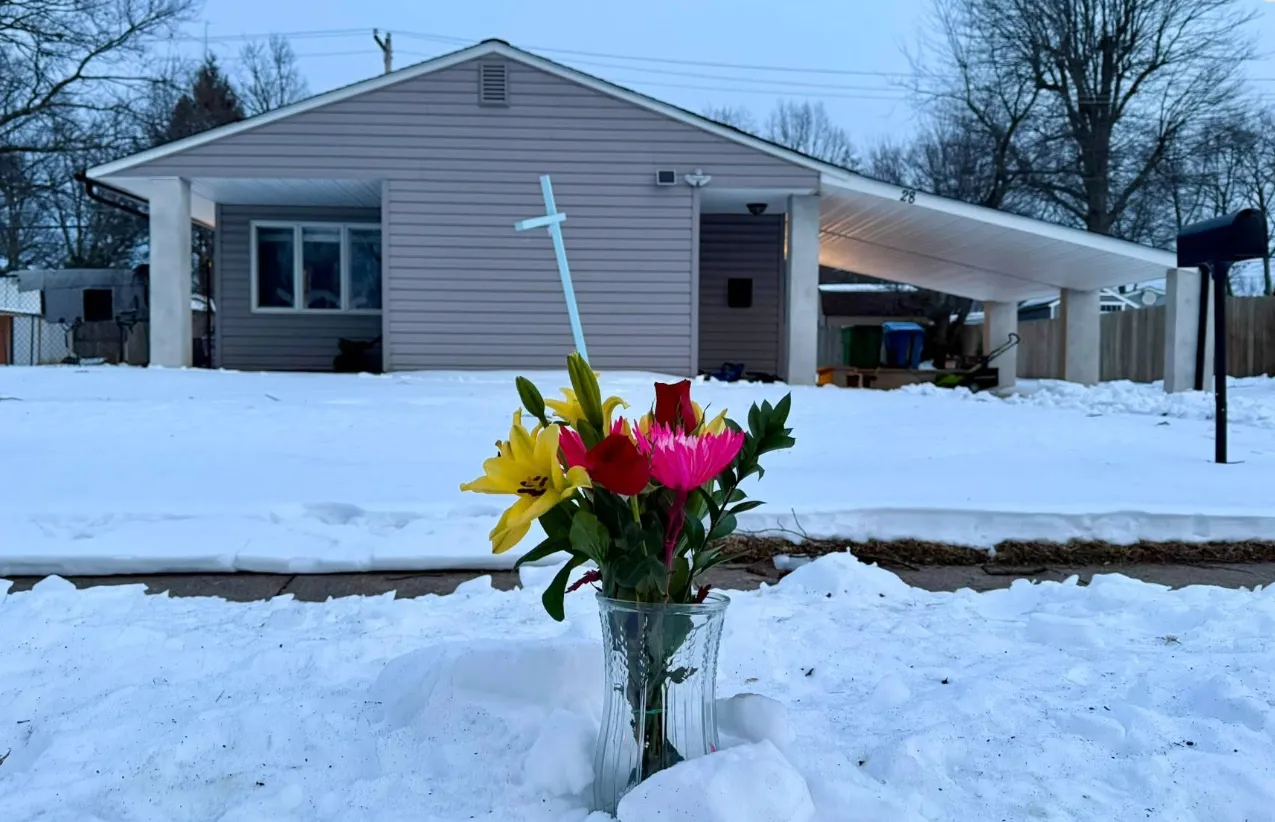
The location—Outlook Lane—now carries a different meaning.
It marks the place where intention to survive met lethal force.
Where following became fatal.
Investigators continue to piece together timelines.
Digital records.
Surveillance footage.
Interviews.
In cases like this, every minute counts.
Every text message, every call log.
Every camera frame.
What prosecutors must prove will unfold in court.
Intent.
Premeditation.
Credibility.
Ren’s statement that the gun discharged while he was trying to “scare” her will be weighed against forensic evidence.
Trajectory analysis.
Distance.
Timing.
But beyond legal thresholds lies a broader question.
Why do so many women face heightened danger when they try to leave?
Why does separation trigger escalation?
Domestic violence is rarely contained within walls.
It spills outward.
It follows.
In this case, investigators say it followed by car.
By proximity.
By weapon.
Community members in Bucks County and Philadelphia have reacted with shock.
Many did not know the couple personally.
But the pattern feels familiar.
A woman tries to leave.
A man refuses to accept it.
The outcome becomes irreversible.
The phrase “instrument of crime” sounds clinical.
But in reality, it is a gun in a waistband.
A choice carried at all times.
Lu reportedly told detectives she feared he carried a firearm constantly.
That detail now reads like warning.
Like foreshadowing in hindsight.
Police have not released every detail.
Investigations require precision.
Statements must be corroborated.
But the outline is already stark.
A report filed at night.
Surveillance at dawn.
A body discovered at noon.
Time collapsed into tragedy.
Ren remains in custody without bail.
The presumption of innocence stands legally.
The charges stand publicly.
As the case proceeds, there will be arguments.
Defense strategies.
Cross-examinations.
But for those who loved Lu, the future is already altered.
There is no path back to February 8.
No revision of the decision to report.
No undoing of the morning drive.
The question now is accountability.
Not only individual.
But systemic.
Were protective measures available quickly enough.
Could intervention have been stronger.
Could risk assessment have flagged urgency.
These are difficult conversations.
They require honesty about gaps.
About timing.
Because the difference between survival and death can be hours.
Yuan Yuan Lu tried to leave.
She documented harm.
She voiced fear.
Her story now moves from private relationship to public record.
Courtrooms will determine guilt or innocence.
But the broader lesson remains visible.
Leaving is not always the end of danger.
Sometimes it is the moment danger intensifies.
And in that fragile window, protection must be more than paperwork.
It must be immediate.
It must be real.
On Outlook Lane, a car remains only a car again.
The tape will come down.
The headlines will fade.
But for those who knew her, February 9 will not fade.
It will remain the day pursuit became permanent.
The day a woman’s attempt to reclaim safety was met with violence.
The legal process will now take its course.
Evidence will be argued.
Verdicts will eventually come.
Yet behind every charge is a life interrupted.
A relationship ended not by choice, but by force.
A warning too late.
Caitlyn Rose Clark: The Mystery Behind a Vanishing and a Cry for Help 4067
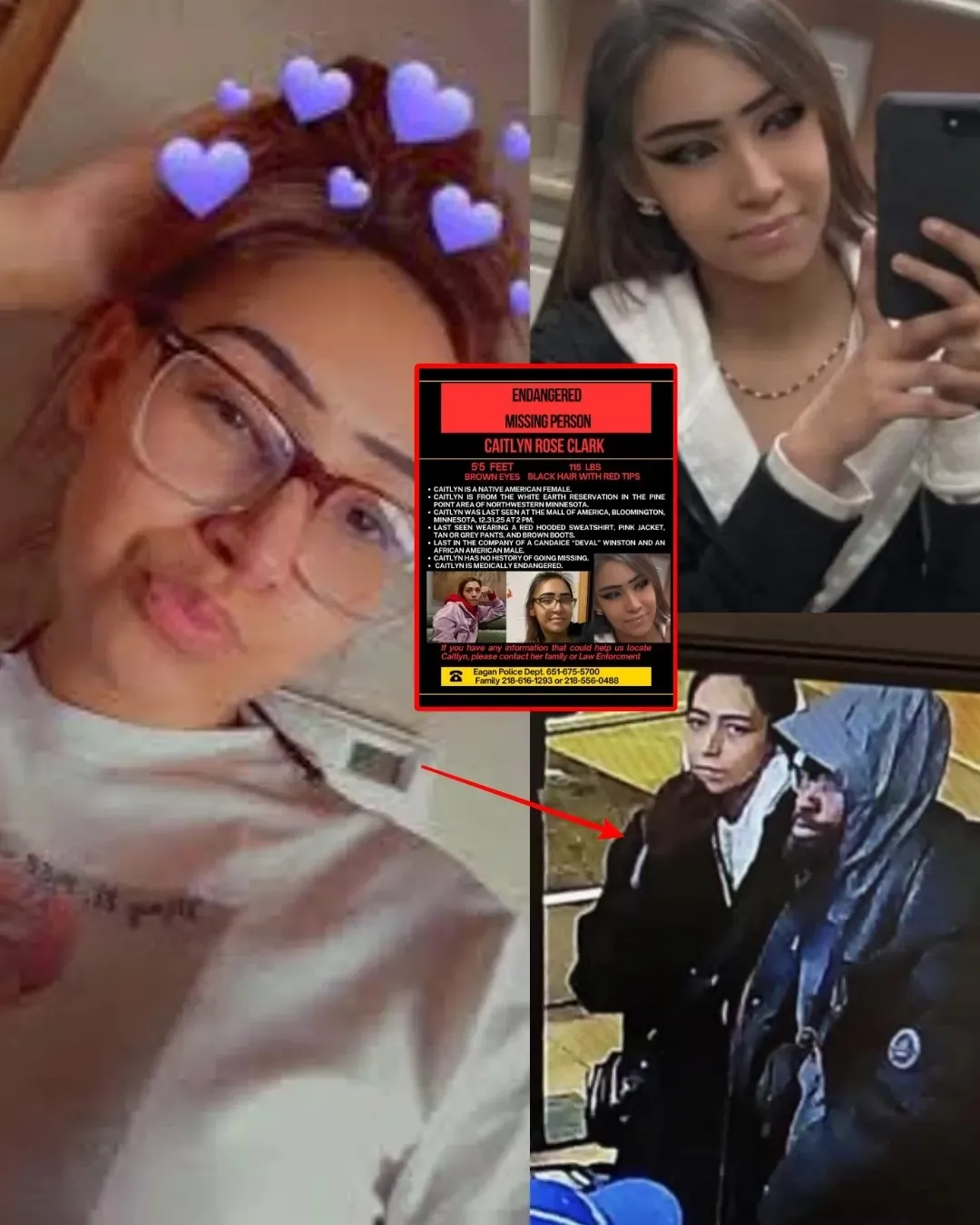
The last time Caitlyn Rose Clark was seen by people who loved her, the world still felt ordinary.
It was December 31, 2025, just after 2 p.m., and the Mall of America was alive with end-of-year energy.
Shoppers moved between stores, laughter echoed beneath the glass ceiling, and nothing hinted that a young woman would soon vanish into uncertainty.
Caitlyn Rose Clark was only 23 years old.
She was a member of the White Earth Reservation, a daughter, a sister, a friend whose life was tightly woven into her family’s daily rhythm.
She did not have a history of disappearing, running away, or cutting contact without explanation.

That is why her absence set off alarms almost immediately.
Hours passed, then days, and Caitlyn did not call, text, or check in the way she always did.
By the time her family reported her missing, fear had already begun to settle in their chests.
At first, there were only fragments to work with.
The last confirmed sighting placed Caitlyn inside the Mall of America in Bloomington, Minnesota, that Wednesday afternoon.
From there, her movements became unclear, her path dissolving into unanswered questions.
Investigators began retracing her steps.
Security cameras were reviewed, timestamps logged, entrances and exits studied frame by frame.
Still, no clear explanation emerged for where Caitlyn went after she left the mall.
For her family, the silence was unbearable.
Caitlyn was close to them, emotionally present, and deeply connected to her community.
She would not vanish without a word, not on a holiday, not ever.

Then, three days later, a new development surfaced.
On January 3, surveillance footage captured Caitlyn alive at a Culver’s restaurant.
The location was on Nicollet Avenue in Bloomington, miles away from the mall where she was last seen.
The video brought both relief and renewed terror.
Relief, because Caitlyn was alive.
Terror, because she was not alone.
The footage showed her sitting with an unknown man.
He was not recognized by her family, not someone from her circle, not a familiar face from her life.
Her family believes strongly that Caitlyn does not know him.
That detail changed everything.
This was no longer just a case of a missing person whose whereabouts were unclear.
This became a case where danger felt close, immediate, and personal.
Caitlyn’s family watched the footage over and over.
They studied her posture, her expressions, the way she moved.
They searched for signs of distress, fear, or control.
What they saw did not bring comfort.
They did not see the Caitlyn they knew—confident, communicative, grounded.
They saw a young woman who did not appear to be acting freely.
Although authorities confirmed she was alive at the time of the footage, the family’s fear only grew.
Being alive did not mean being safe.
In fact, it raised even more urgent questions about what was happening to her.
Why hadn’t Caitlyn reached out?
Why was she with someone her family didn’t recognize?
Why had she gone silent for days, something entirely out of character?
For those who know Caitlyn, these questions are not abstract.
They cut deeply into what they understand about who she is.
Caitlyn does not disappear without explanation.
She does not walk away from her family.
She does not choose silence over connection.
This absence is not a choice—it feels like a warning.
The White Earth Reservation community felt the shock immediately.
Too many families know what it means when an Indigenous woman goes missing.
Too often, those cases fade quietly without answers or justice.
Caitlyn’s disappearance reopened old wounds.
It reminded people of the many Indigenous women whose names became hashtags, flyers, and heartbreaks.
Her family refused to let that happen to her.
They began sharing her story relentlessly.
Photos, descriptions, timelines, and pleas spread across social media.
Every share was a hope that someone, somewhere, had seen something.

Authorities asked the public for help.
They urged anyone who recognized the man in the Culver’s footage to come forward.
Even the smallest detail could matter.
Investigators emphasized that time is critical in missing person cases.
The longer someone remains unaccounted for, the more dangerous the situation can become.
For Caitlyn’s family, every hour feels like an eternity.
They wake up each morning hoping for a call.
They go to sleep each night fearing what the next day might bring.
The waiting is its own form of suffering.
Caitlyn’s loved ones speak about her with aching clarity.
She is kind, thoughtful, and deeply rooted in her relationships.
She checks in, she shows up, she does not leave people wondering.
That is why they believe she is in danger.
Not because she has vanished before—but because she hasn’t.
Because this behavior does not match her life, her patterns, or her heart.
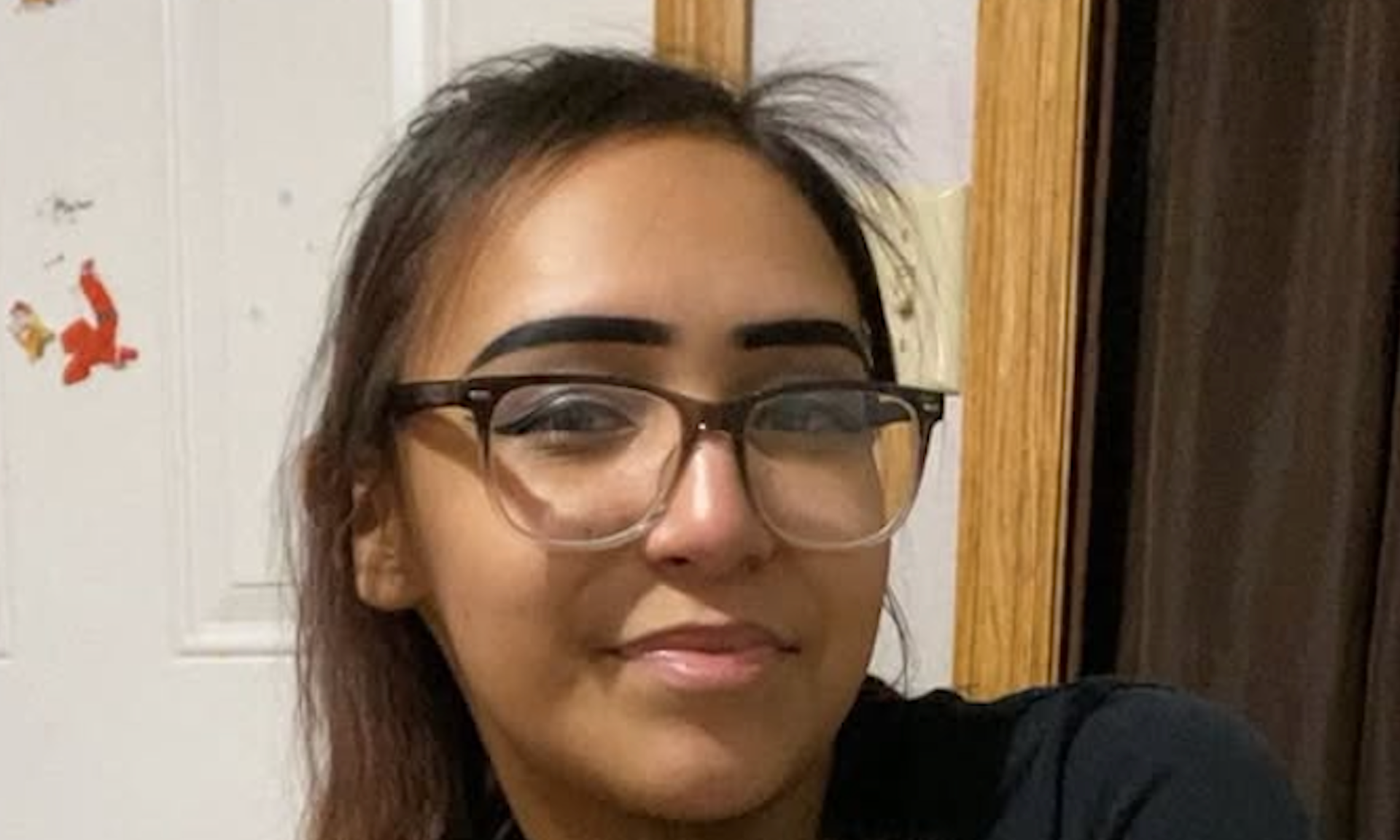
They have pleaded directly to Caitlyn, wherever she may be.
If you can see this, if you can hear us, please reach out.
Even a single message would change everything.
They have also spoken to the man seen with her.
If you know Caitlyn, if you are with her, if you have information—do the right thing.
Silence helps no one.
The Mall of America continues to bustle with activity.
The Culver’s on Nicollet Avenue still serves customers every day.
Life moves forward for the world, even as it stands still for one family.
That contrast is cruel.
Places that once felt neutral now carry unbearable weight.
Every camera, every timestamp, every location holds pieces of Caitlyn’s story.
Her disappearance is not just a mystery—it is a human emergency.
A young woman is missing, and those who love her are terrified.
Hope and fear now exist side by side.
Law enforcement continues to investigate.
Tips are being followed, footage reviewed, leads pursued.
But no explanation has yet closed the gap between December 31 and now.
Caitlyn’s family refuses to give up.
They believe she is alive, and they believe she needs help.
Until she is found, they will keep searching, speaking, and pushing for answers.
This is not a story they ever wanted to tell.
It is not a story of choice, rebellion, or escape.
It is a story of absence that feels wrong at its core.
Caitlyn Rose Clark is not a statistic.
She is a 23-year-old woman with a family waiting for her voice.
She is loved, missed, and urgently needed back home.
Somewhere, Caitlyn is out there.
Somewhere, someone knows what happened.
And until the silence is broken, her family will not stop asking the world to look, to listen, and to help bring her home.