CODY JOHNSON DIDN’T WRITE “DIRT CHEAP” — BUT THE SONG WAITED UNTIL IT FOUND A MAN WHO COULD BELIEVE EVERY WORD. At first, it was just another demo moving through Nashville. Josh Phillips had written about an old farmer being offered money for his land. The buyer saw acres. The farmer saw everything else. His daughter’s laughter. His wife’s memory. The dog buried out back. The porch. The years. The kind of life you can’t put a price on because it was never really property in the first place. The song was reportedly sent to Luke Combs first, but it didn’t land there. Then it found Cody Johnson. And suddenly the story didn’t sound like a song pitch anymore. It sounded like a man standing at a fence, telling the world there are some things money has no right to touch. That is why “Dirt Cheap” hits so hard. It isn’t about refusing an offer. It is about refusing to sell the graves inside your heart. – Country Music
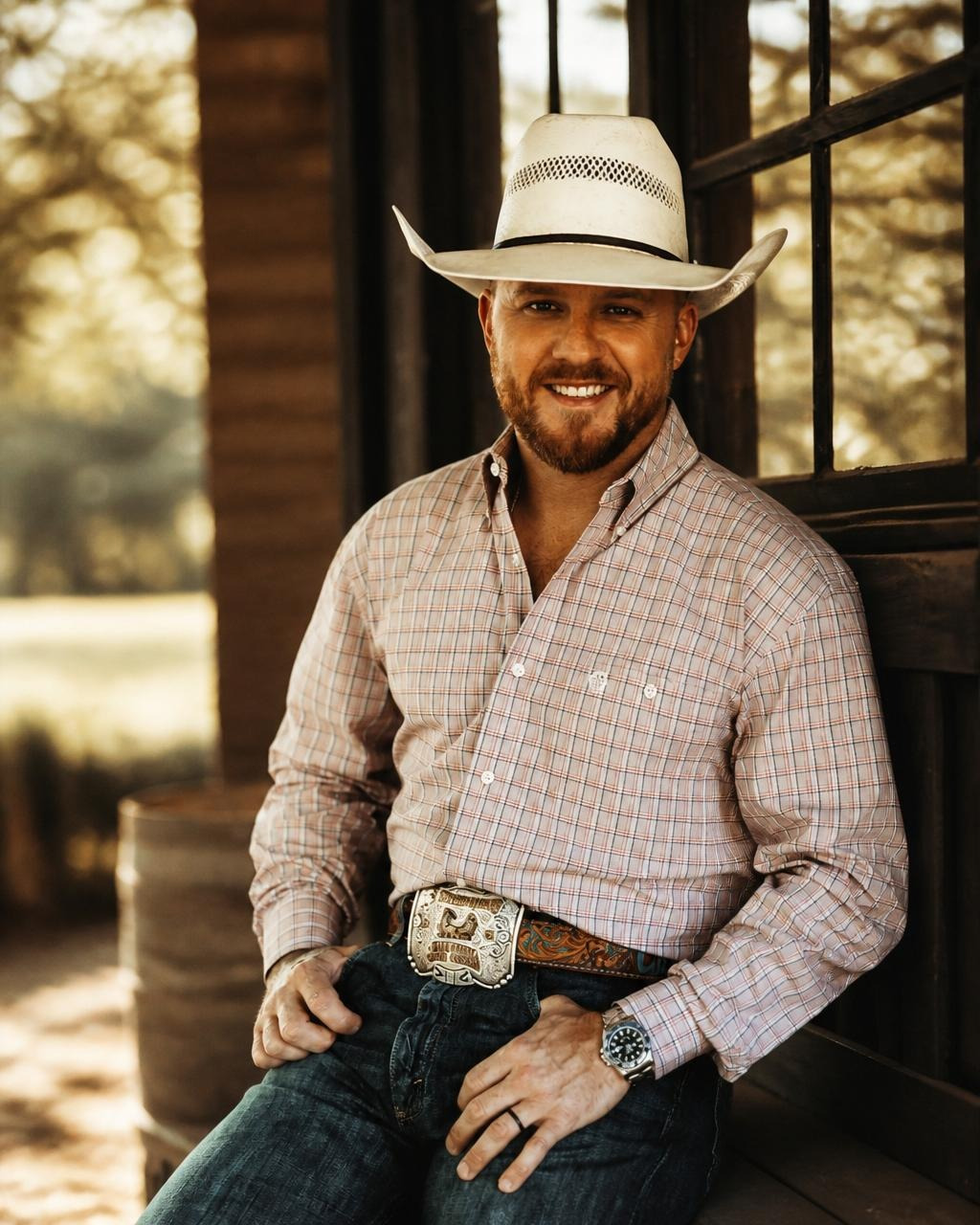
At first, it was just another demo moving through Nashville, carrying a simple idea with a heavy heart. Josh Phillips had written a song about an old farmer being offered money for his land. On the surface, it was a deal. Underneath, it was something much deeper.
The buyer saw acres, roads, and value on paper. The farmer saw a lifetime. His daughter’s laughter. His wife’s memory. The dog buried out back. The porch where hard days were survived and good days were celebrated. The quiet proof that some places are not just property. They are history.
For a while, the song traveled the way many songs do: from one set of ears to another, looking for the right home. It was reportedly sent to Luke Combs first, but it did not land there. That is how country music works sometimes. A great song can wait patiently until it reaches the one voice that can carry its truth without forcing it.
Why Cody Johnson Made “Dirt Cheap” Feel Real
Then the song found Cody Johnson.
And suddenly, “Dirt Cheap” did not sound like a pitch anymore. It sounded like a man standing at a fence, looking somebody in the eye, and saying there are some things money has no right to touch. Cody Johnson has a way of singing with honesty that feels lived-in, not performed. He does not just deliver a line; he believes it. That matters in a song like this.
What makes “Dirt Cheap” hit so hard is not the offer being refused. It is the reason behind the refusal. The song is not really about land. It is about memory. It is about the parts of life that become sacred because they hold love, grief, and time all at once.
Some things are too personal to be priced, no matter how high the offer goes.
A Story Country Fans Recognize Instantly
Listeners respond to “Dirt Cheap” because it feels familiar. Most people know what it means to hold onto something that cannot be replaced. A family home. A favorite chair. A piece of land. A photo in a drawer. A place where someone important used to sit.
That is the quiet power of the song. It does not shout. It remembers. It honors the idea that a life can be measured in more than money and that some roads should never be taken, even for a profit.
Cody Johnson did not write “Dirt Cheap,” but he helped it become what it was always meant to be: a story with a heartbeat. The song waited for a singer who could make the fence line feel like a final answer, not a negotiation.
And that is why it stays with people. Not because it rejects an offer, but because it protects something deeper: the graves inside the heart, the family stories in the walls, and the kind of love that no amount of money can buy.
Post navigation
James T. Slater was sitting alone in his apartment in Zurich when life changed for his brother. A daughter had been born, and Slater wanted to send something more personal than a card or a quick phone call. He did what songwriters often do when words feel too ordinary: he wrote a song.
He had no co-writer, no elaborate plan, and no experience raising a child of his own. What he did have was imagination, empathy, and a quiet challenge in front of him. He tried to picture the way a father looks at his little girl, and the way that girl looks back, trusting him completely. From that idea came “In My Daughter’s Eyes”, a song that began as a family gift and grew into something much bigger.
A Demo That Changed Everything
Before Martina McBride ever sang the song, there was a demo session that almost felt ordinary. Gretchen Wilson, then still unknown, was paid $75 to cut the track. She walked in mid-argument, emotional and with mascara running, but when the microphone went live, she delivered a vocal that stopped the room. It took only two takes.
Then something unexpected happened. When Gretchen Wilson heard the playback, she started crying. The song had already done its job: it had reached someone deeply, even before it was released to the world.
“I wrote it for my brother, but once the song was finished, it felt bigger than our family.”
From Zurich to Nashville
At the time, James T. Slater had only been in Nashville for three weeks. That detail matters, because this was not a seasoned hitmaker riding years of success. This was a songwriter still finding his place, carrying one strong idea and trusting it enough to send it out into the world.
When Martina McBride heard the demo, she recognized the song’s emotional force immediately. Her recording gave it the warmth and strength that helped it connect with listeners everywhere. Released as a single, “In My Daughter’s Eyes” reached No. 4 on the country chart and No. 3 on Adult Contemporary, becoming Martina McBride’s 18th top 10 hit.
Why the Song Lasted
Part of the reason the song endured is simple: it feels honest. It doesn’t try to be flashy or clever. Instead, it captures a relationship that so many people understand, whether they are parents, children, or someone remembering their own family with new appreciation.
Phil Vassar reportedly asked James T. Slater a direct question that summed up what many listeners wondered: how do you write a song like that without having a daughter? The answer, in a way, is that some songs come from observation, love, and the willingness to step into another person’s life for a few minutes and tell the truth as carefully as you can.
A Small Gift That Became a Big Memory
What started as a gift for a brother became one of the most beloved mother-daughter songs in country music. It moved from a quiet apartment in Zurich to a Nashville recording session, then into homes, radio stations, and countless family moments.
That is the kind of story music often gives us: a simple beginning, an unexpected voice, and a song that outlives the moment that inspired it.