COUNTRY RADIO BANNED “RATED X” BEFORE ANYONE THERE HAD HEARD IT. THE TITLE WAS ENOUGH. AT LEAST 60 STATIONS REFUSED TO PLAY IT. They assumed it was filth. It wasn’t. Loretta Lynn wrote it about a divorced woman — the way other women whisper about her, the way men assume she’s suddenly available, the scarlet letter a community pins on her for the crime of a marriage that ended. Then came the strange part. The angry letters didn’t just come from radio programmers. They came from divorced women. They wrote in saying the song insulted them. The very people she was defending thought she was throwing stones. That’s the read the critics still reach for: bitter, man-hating, a woman airing grievances. They make the same mistake her own fans made in 1972. She wasn’t condemning divorced women. She was standing in front of them. She said so plainly in her book — if they’d listened close, they’d have gotten the story right. She was taking their side. And here’s the thing that makes it remarkable. Loretta Lynn was never divorced. Nearly fifty years with Doolittle, through the drinking and the cheating, and she never left. She wrote the loneliest song about divorce in country music about a life she chose not to live. It went to No. 1. Decades later Jack White was still putting it in his sets. Some folks still call that song bitter. What do you call it? – Country Music
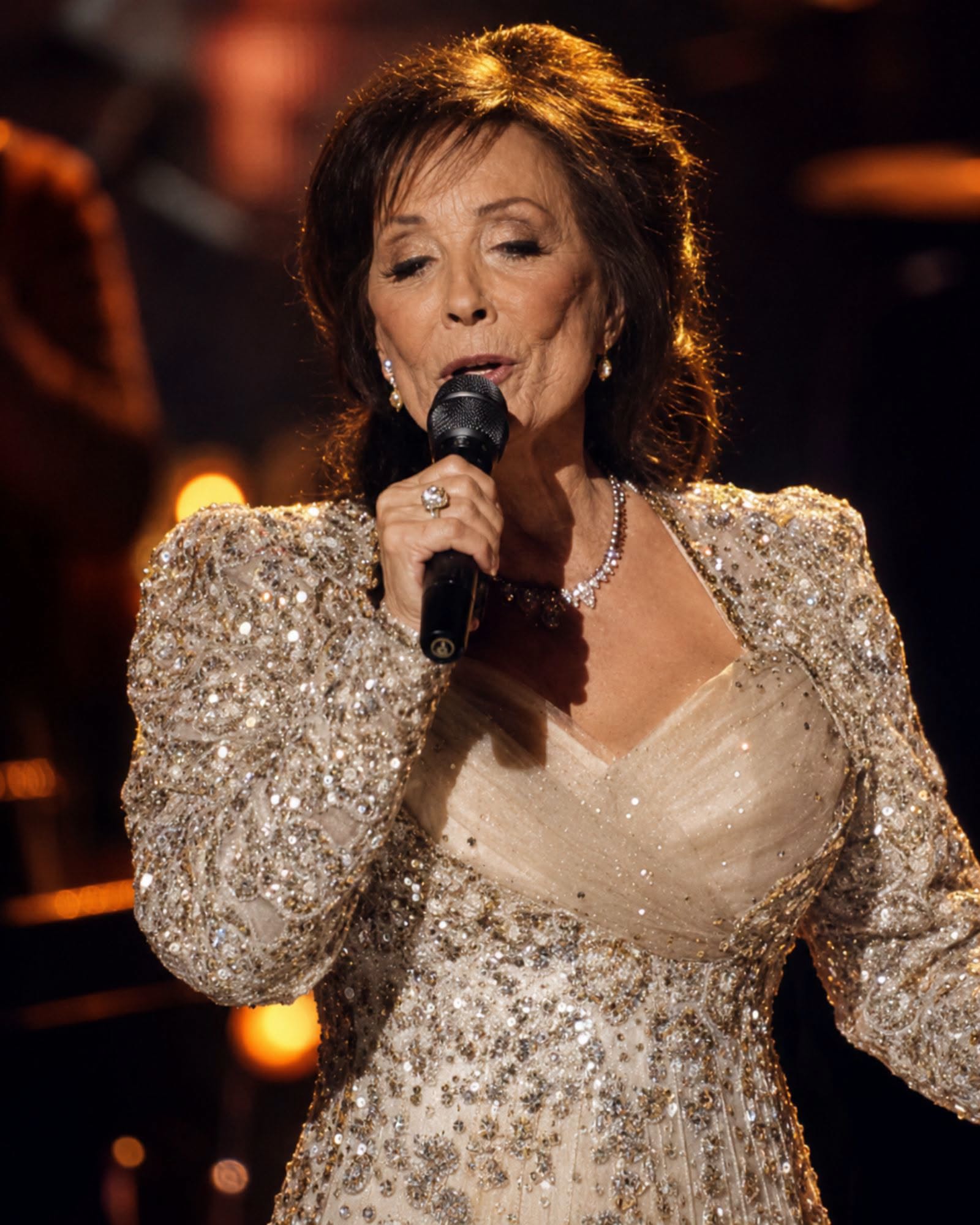
Why Loretta Lynn’s “Rated X” Still Feels Brave
Before many country radio stations ever gave Loretta Lynn’s “Rated X” a fair hearing, the title had already done its damage. The words sounded shocking enough that more than one station refused to play it. To a lot of listeners, the song seemed like trouble waiting to happen. But the first impression was wrong, and that misunderstanding says a lot about the world Loretta Lynn was writing about.
“Rated X” was not a cheap provocation. It was a sharp, unsentimental defense of divorced women, and of the double standard that followed them around. Loretta Lynn wrote about the whispers, the judgment, and the way a woman could be treated like public property the moment her marriage ended. The song looked at the cruelty from the inside and refused to romanticize it.
The Song People Misread
What makes the story so striking is how many people missed the point. Some radio programmers heard scandal where there was actually empathy. Some listeners heard bitterness where there was a warning. And some divorced women, surprisingly, heard the song as an insult. That reaction is part of the strange history around the record: a song meant to stand up for women could still be mistaken for an attack on them.
Loretta Lynn later made it clear that she was on their side. She was not condemning divorced women. She was defending them. That distinction matters, because “Rated X” is really about how communities can turn private pain into public shame. It is about how fast sympathy disappears when a woman no longer fits the role people assigned her.
Why It Hit So Hard
One reason the song carried so much weight is that Loretta Lynn was never divorced herself. She stayed married to Doolittle Lynn for nearly fifty years, through a long and difficult relationship marked by drinking and infidelity. Yet she wrote one of country music’s loneliest divorce songs from the outside, with enough honesty to make it feel lived-in.
That distance gave the song its power. Loretta Lynn was not writing autobiography. She was writing solidarity. She was saying, in effect, that a woman does not have to live a problem personally to recognize injustice when she sees it.
The audience eventually answered. Despite the bans and the outrage, “Rated X” went to No. 1 on the country chart. The same song that many people wanted to bury became a hit anyway. Years later, Jack White would still bring it into his sets, proof that the song kept finding new listeners long after the first wave of controversy faded.
What Do You Call That?
Some people still call “Rated X” bitter. But bitterness is usually about revenge. This song is something else. It is clear-eyed, protective, and stubbornly humane. It does not laugh at divorced women. It stands with them. And in a culture that often punished women for surviving marriage badly, that was a radical thing to do.
What do you call it when a song is banned before people listen, misunderstood even by the people it tries to help, and still survives long enough to become a classic? Maybe the simplest answer is the right one: courage.
Post navigation
There is a cynical way to tell the Butcher Hollow story. It says poverty became a brand, and that a childhood cabin was turned into an attraction with a cash register at the end of the road. But the more you learn, the more complicated it becomes. The place people visit is not a staged gimmick. It is a family memory made physical, preserved by people who refused to let it disappear. Loretta Lynn was born in Butcher Hollow, Kentucky, and her childhood home has remained tied to her story for decades.
For years, Loretta Lynn’s younger brother Herman Webb was the one greeting visitors and leading tours. He helped keep the cabin standing after it had begun to fall apart, and the family says the home would not have survived without his work. Today, the site is still presented as part of Loretta Lynn’s Ranch experience, with the cabin replica, museum, and family story all connected to her legacy.
A childhood home that stayed honest
Visitors do not walk through a glossy Hollywood version of rural Kentucky. The cabin is meant to reflect the reality Loretta Lynn came from: a coal-camp childhood shaped by hard work, close family ties, and very little money. The ranch description says the cabin was built in memory of her parents, Ted and Clara Webb, to portray what her early life was like. That is part of why the place has lasted in public memory for so long. It was never trying to pretend the past was easier than it was.
That honesty is also what made the story powerful in the first place. Loretta Lynn built a career by writing and singing from lived experience, and “Coal Miner’s Daughter” turned her upbringing into American music history. The song and the film that followed helped carry Butcher Hollow far beyond eastern Kentucky.
Hollywood made a copy
When the 1980 film Coal Miner’s Daughter was made, the production did not shoot inside Loretta Lynn’s actual childhood home. The interior scenes were filmed elsewhere, and the movie used a constructed set to stand in for the cabin. In other words, Hollywood built its own version of the home rather than altering the real one. The replica used in connection with the film was later destroyed by arson, while the real family home remained in Butcher Hollow.
That detail matters because it changes the meaning of the story. The cabin visitors still come to see is not a movie prop. It is the place the family fought to save, and the movie’s fake version is the one that disappeared. The real home stayed behind in the hills, carrying the weight of memory without needing special effects.
Why people still go
People do not make the trip only for nostalgia. They go because the place feels personal. It is one thing to hear Loretta Lynn sing about where she came from. It is another to stand near the cabin, see the well, and understand that the story was never just marketing. The attraction remains one of the region’s best-known stops because it connects fame to something real and stubbornly local.
In the end, the Butcher Hollow story is not really about a fake cabin burning down. It is about what survived instead: family, memory, and a home that stayed true to the woman who came from it. Loretta Lynn’s name may belong to music history, but her childhood home still belongs to the hill.