HE MADE MILLIONS LAUGH FOR 40 YEARS. WHEN HE DIED DURING COVID, MOST PEOPLE DIDN’T EVEN NOTICE. Harold Reid was the funniest man in country music. Not a comedian who sang — a singer who could destroy a room without trying. Jimmy Fortune said: “I never got tired of watching Harold get up and just act crazy and get laugh after laugh. The same joke — you could hear it over a hundred times and still laugh as hard as the first time.” He created Lester “Roadhog” Moran — a parody so perfect it got its own album in 1974. The Country Music Hall of Fame called him “one of the world’s funniest people.” He co-founded the most awarded group in country history. 58 Top 40 hits. Nine CMA Awards. Three Grammys. Two Halls of Fame. Harold Reid died April 24, 2020. During lockdown. No farewell concert. No memorial. No trending hashtag. Maybe the world just had too much going on. Or maybe country music never quite knew what to do with a man who made them laugh instead of cry. – Country Music
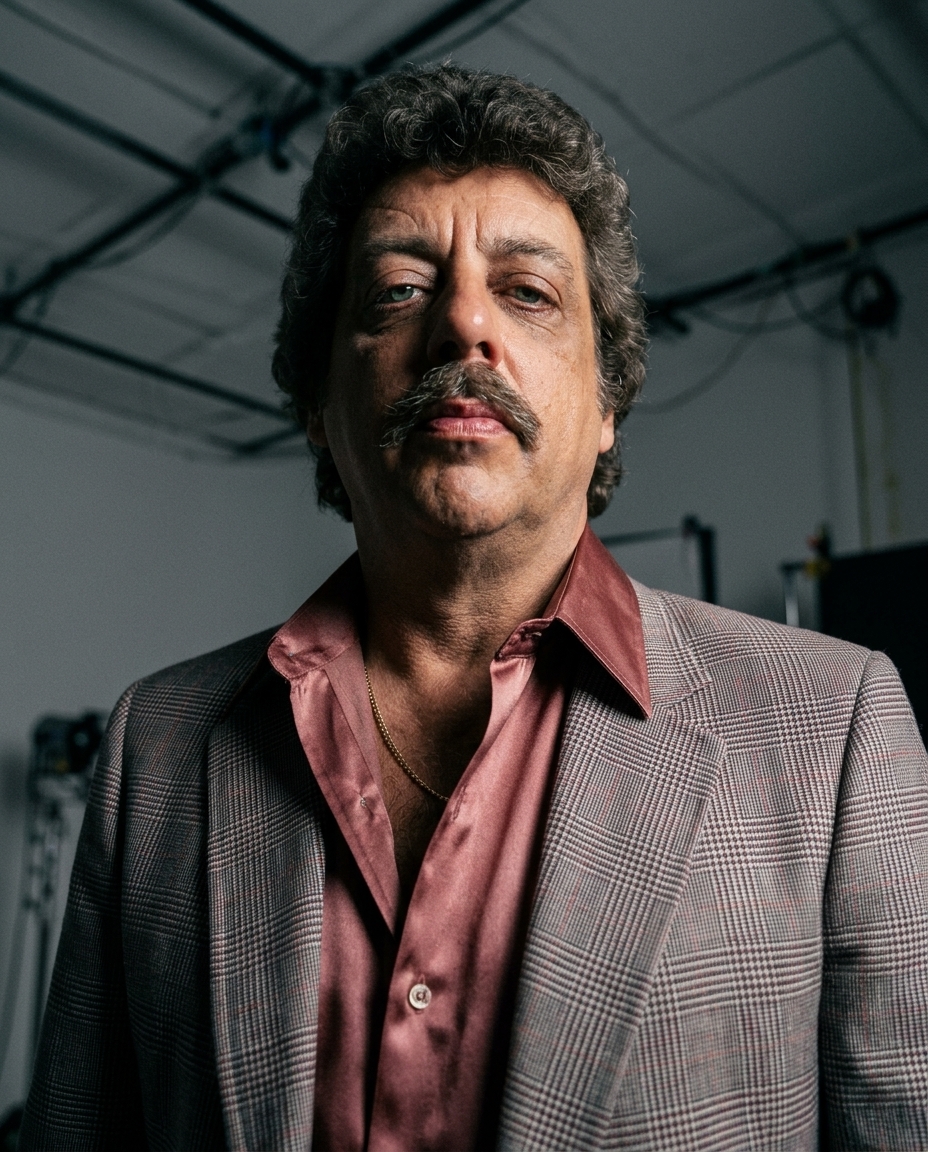
For decades, Harold Reid could walk onto a stage, barely say a word, and have an audience doubled over with laughter.
Harold Reid was not supposed to be the funny one. Harold Reid was the deep voice in The Statler Brothers. Harold Reid was the bass singer, the anchor, the man who stood still while the harmonies wrapped around him.
But somewhere between the songs, Harold Reid became something else.
Harold Reid became the reason people could not stop smiling.
Jimmy Fortune once said:
“I never got tired of watching Harold get up and just act crazy and get laugh after laugh. The same joke — you could hear it over a hundred times and still laugh as hard as the first time.”
That was the strange magic of Harold Reid. The jokes were not always new. The stories were not always polished. Sometimes Harold Reid just made a face, paused too long, or leaned into a line at exactly the right moment. Somehow, it worked every time.
Fans came to see The Statler Brothers for the harmonies. They stayed for Harold Reid.
The Man Behind The Laughter
Before The Statler Brothers became one of the most successful groups in country music history, Harold Reid and his younger brother Don Reid were just two boys from Virginia who loved music.
Together with Phil Balsley and Lew DeWitt, they built a group that sounded unlike anyone else. The Statler Brothers mixed gospel, country, humor, and storytelling into something audiences instantly recognized.
Over the years, The Statler Brothers earned 58 Top 40 hits, nine CMA Awards, three Grammy Awards, and places in both the Country Music Hall of Fame and the Gospel Music Hall of Fame.
Songs like “Flowers on the Wall,” “Bed of Rose’s,” and “Do You Know You Are My Sunshine” made them stars.
But even with all of those awards, people who knew Harold Reid best often talked about something else.
They talked about how funny Harold Reid was.
The Country Music Hall of Fame once described Harold Reid as “one of the world’s funniest people.” That was not an exaggeration. On stage, Harold Reid could turn a simple introduction into ten minutes of chaos. He would wander into stories that seemed to make no sense, throw in a strange expression, then suddenly deliver the punchline that brought the house down.
There was never any cruelty in Harold Reid’s humor. Harold Reid laughed at life, at himself, and at the absurd little moments that everyone recognized but nobody else seemed able to explain.
Lester “Roadhog” Moran
In 1974, Harold Reid created one of the strangest and funniest characters country music had ever seen: Lester “Roadhog” Moran.
Lester “Roadhog” Moran was supposed to be a washed-up country singer who had somehow wandered onto the wrong stage. The character was ridiculous, awkward, loud, and somehow completely believable.
What began as a joke became something bigger. The Statler Brothers released an entire album built around Lester “Roadhog” Moran and his fictional band, The Cadillac Cowboys.
Most parody characters disappear after one appearance. Lester “Roadhog” Moran lasted for years because Harold Reid played him so perfectly. Harold Reid never treated the joke like a joke. Harold Reid treated Lester “Roadhog” Moran like a real man with bad timing, strange stories, and just enough confidence to embarrass himself in front of thousands of people.
Audiences loved every second of it.
A Quiet Goodbye
Harold Reid died on April 24, 2020, at the age of 80.
It happened during the darkest weeks of the COVID lockdowns. Concert halls were closed. Churches were empty. Families said goodbye through phone calls and computer screens.
There was no farewell tour for Harold Reid. No standing ovation from thousands of fans. No giant memorial special on television.
For a man who had spent forty years making rooms feel alive, the silence felt almost impossible.
Outside of country music circles, many people barely noticed. The headlines that spring were filled with fear, numbers, and uncertainty. Harold Reid’s death became just another small story lost in a season when the entire world seemed overwhelmed.
Maybe people simply had too much going on.
Or maybe country music never fully knew what to do with Harold Reid.
Country music knows how to honor heartbreak. Country music knows how to celebrate tragedy and tears. But Harold Reid gave people something harder to explain. Harold Reid gave them laughter.
Not polished television laughter. Not a rehearsed comedy act.
Harold Reid gave people the kind of laughter that sneaks up on you. The kind that makes you forget your problems for a few minutes. The kind that fills a room and stays there long after the lights go down.
And maybe that is why Harold Reid mattered so much.
Because for forty years, Harold Reid reminded people that joy is just as important as sorrow — and sometimes much harder to leave behind.
Post navigation
By the time the noise had faded, Waylon Jennings and Johnny Cash were no longer the larger-than-life outlaws people imagined from old records, black leather, and hard-earned legends. They were older men. Tired men. Men carrying the weight of their bodies as much as the weight of their names.
In Hendersonville, Tennessee, they lived close enough that a visit could have been easy in younger years. But those final years were not built for easy things. Waylon Jennings was dealing with devastating complications from diabetes. Johnny Cash was fighting through his own serious health decline. The miles between their houses were short. The distance created by pain was much harder to cross.
So the connection came another way.
According to the story that has lived on among country fans for years, the two men called each other at night. Not for long, and not for show. No audience. No headlines. No need to prove anything. Just two voices at the end of the day, checking the same simple truth: Are you still there?
Sometimes the deepest friendships are not built on long speeches. They survive on presence.
That is what makes the image so heartbreaking. These were not two dreamers still chasing Nashville. These were two survivors who had already seen everything fame could hand a man — applause, addiction, reinvention, regret, redemption, and the strange loneliness that often waits after the curtain falls.
Waylon Jennings and Johnny Cash did not need to explain themselves to each other. Very few people in country music could understand what they had lived through the way the other one could. They had both become symbols long before they became neighbors. But near the end, symbols were no help. Friendship was.
When Fame No Longer Matters
What makes this story last is not the celebrity of the two men. It is the tenderness of it. Fans often imagine legends talking about music history, old tours, hit records, wild nights, and famous friends. But the quieter version feels truer. Two aging giants, no longer interested in performance, simply reaching for familiar comfort in the dark.
There is something painfully human in that. Because eventually, nearly everybody arrives at the same place. The trophies matter less. The stories shrink. The world gets quieter. And what matters most is knowing someone on the other end of the line still remembers who you are without all the armor.
Waylon Jennings died in February 2002. Johnny Cash died in September 2003, less than two years later. For fans who love this story, that timeline makes everything even heavier. It turns those late-night calls into something almost sacred. Not dramatic. Not polished. Just necessary.
What Jessi Colter Remembered
What deepens the sorrow even more is what Jessi Colter later shared about Waylon Jennings near the end of his life. Her memories did not paint the final chapter as loud or theatrical. They painted it as quiet. Frail. Honest. Waylon Jennings had reached a point where the body that once carried one of country music’s most defiant spirits had simply been worn down.
That is why the nightly phone story hits so hard. It does not sound like myth when you place it beside that reality. It sounds like something older people do when pride has burned away and only love remains. Not romantic love. Not public love. The kind of love found in loyalty, habit, and recognition.
Maybe that is the real reason people cannot forget it. It reminds us that even men who looked indestructible were not asking for much at the end. Not one more standing ovation. Not one more comeback. Not one more headline.
Just one familiar voice.
And when Waylon Jennings was gone, many fans have imagined the silence that must have followed. One house still standing. One friend still alive. One evening arriving like every other evening had before it — except this time, the phone never rang.
For two men who once sounded bigger than America itself, that may be the saddest image of all.