The Morning I Thought I Had Lost Them. – Daily News

This morning, something awful happened.
A hawk came out of nowhere and attacked a robin’s nest right on my porch. In seconds, the nest was gone—knocked down, broken, scattered. When I opened the door, my heart dropped. Three tiny baby birds lay on the cold wood. Two were moving.
One wasn’t.
I just stood there, frozen, my coffee growing cold in my hands. Above me, the parents were frantic—darting through the trees, wings fluttering wildly, making that sharp, helpless sound that feels like panic turned into noise. I could feel their fear as clearly as my own.
I wanted to help. God, I wanted to help.
But I was scared.
Scared the hawk would come back.
Scared I’d do the wrong thing.
Scared that touching them might somehow make everything worse.
I whispered to myself, over and over, “What do I do? What do I do?” like the answer might fall out of the sky if I said it enough times.
My husband told me to breathe.
So I did.
I grabbed a pair of gloves, knelt down, and gently—so gently—picked up the babies one by one. They were impossibly light, like they were barely holding onto the world. Their bodies were still. Too still.
I placed them back into the nest.
And then I saw it.
The tiniest rise of a chest.
Then another.
Then the third.
All three were alive.
I don’t think I’ve ever felt relief hit my body that hard. It was like my lungs remembered how to work again. Minutes later, the mother came back and sat right down in the nest, calm and steady, as if chaos hadn’t just passed through. The father? Back and forth nonstop with worms—focused, relentless, fully clocked in.
Life didn’t pause. It continued.
Later, I sat down to finish a craft order for a client, trying to steady my hands. I worked slowly, watching the nest whenever I could. Every time I looked up, one of the babies had its beak just barely poking out—like it was checking in on me too.
Now I hear chirping. One tiny voice testing its strength. Mom swoops in with food. Dad stays close, always watching.
What started as panic became something else entirely—a loud, messy, beautiful orchestra of survival.
They’re going to make it.
And today… that’s more than enough for me.

They arrived in the world alone.

Too young.
Too small.
And far too fragile to survive without help.
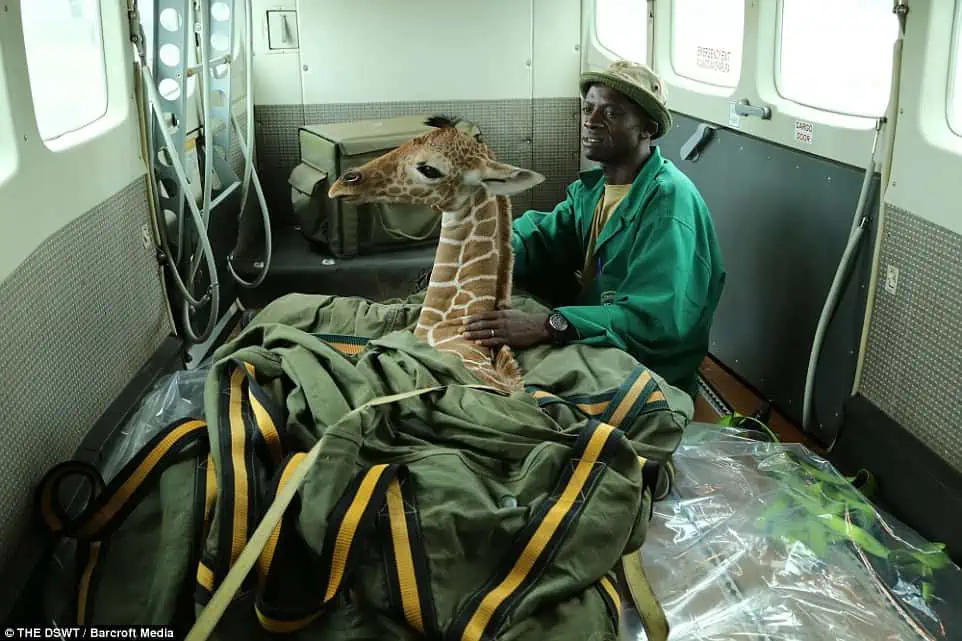
Kiko was barely a month old when rescuers found him—an orphaned giraffe, weak and helpless, standing where his mother should have been. He still needed milk. He still needed warmth. Most of all, he still needed someone to stay.
Not long after, another baby arrived at the orphanage. Loboito, a three-week-old elephant calf, had also been found alone and hungry, calling out for a family that never came back.
Two different species.
Two different stories.
One shared beginning: loss.
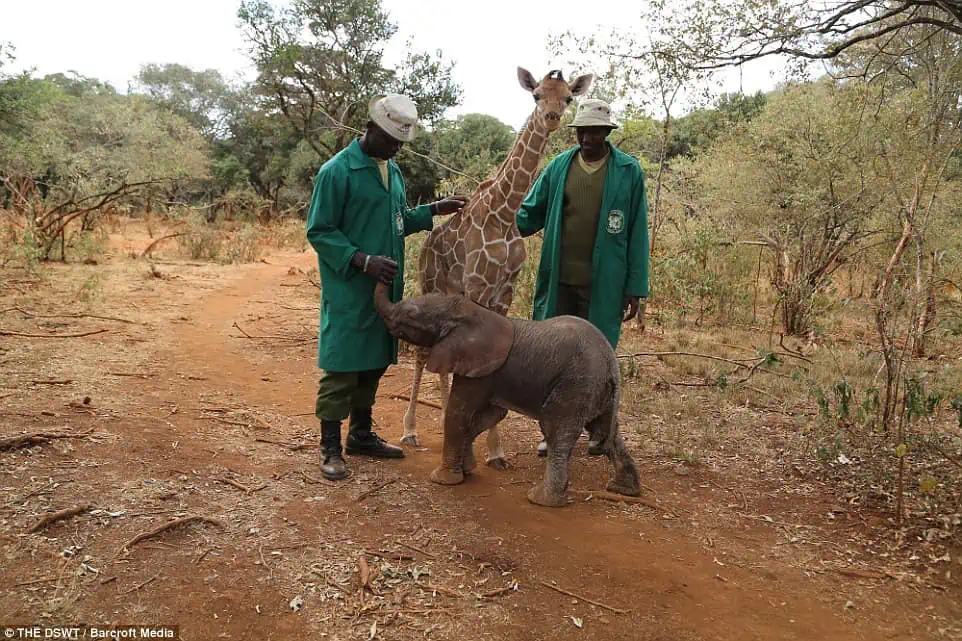
Because Kiko was too small to sleep in the giraffe stables, keepers placed him beside the elephants. No one expected much—just a temporary solution, a matter of space and safety.
But something extraordinary happened instead.
From the very beginning, Loboito noticed Kiko.
The tiny elephant followed the long-legged giraffe everywhere, struggling to keep up, his short legs moving as fast as they could. When Kiko walked, Loboito ran. When Kiko stopped, Loboito pressed close—often standing right beneath his friend’s tall frame, as if that was the safest place in the world.
And maybe it was.
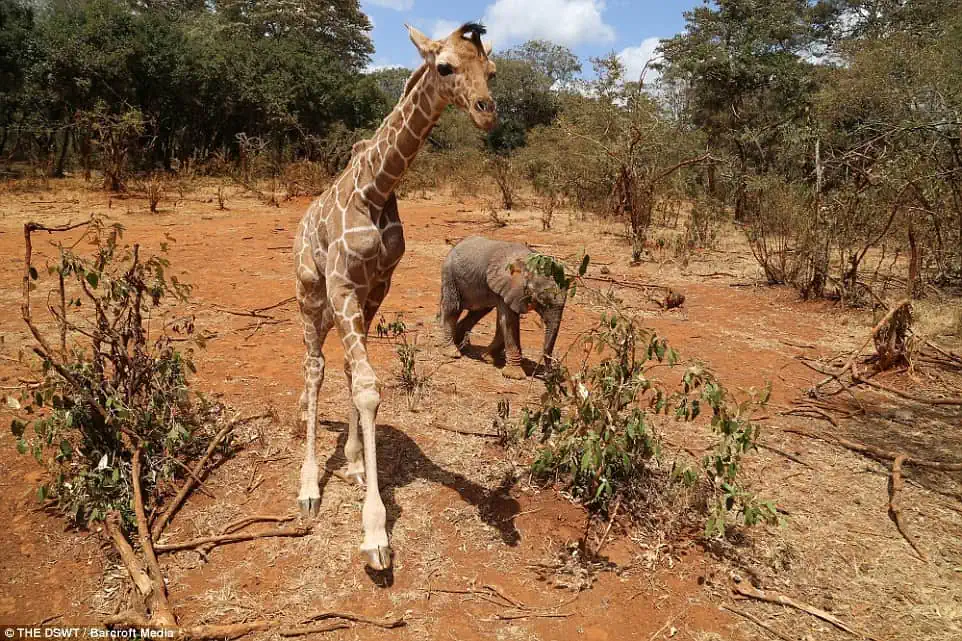
Videos captured the moments that would soon melt hearts across the world: Kiko leaning down to gently nuzzle Loboito, Loboito tucking himself under Kiko’s legs, the two moving side by side like they had always belonged together.
What Loboito lacked in size, he made up for in enthusiasm. He followed Kiko everywhere—through the orphanage grounds, during playtime, during feedings—never wanting to be left behind. And Kiko, calm and trusting, never pushed him away.
They were still bottle-fed. Still completely dependent on human caregivers. Animals like them would never survive alone in the wild at that age. Without rescue, neither would be alive.
But together, they found something else.

Comfort.
The caregivers at the David Sheldrick Wildlife Trust became surrogate parents, staying with the orphans day and night—feeding them, comforting them, even sleeping beside them to ease the loneliness that came with losing their families so early.
Yet even with all that care, it was clear: Kiko and Loboito had chosen each other.
The elephant calf seemed happiest beneath Kiko’s long neck and stomach, pressing close as if memorizing the feeling of companionship. Kiko, in turn, grew increasingly affectionate—not only with his keepers, but especially with the smallest baby elephants.

Soon, the keepers joked they would need a ladder just to bottle-feed Kiko. He was growing fast—his legs stretching higher each day—while Loboito remained small, trotting behind with unstoppable determination.
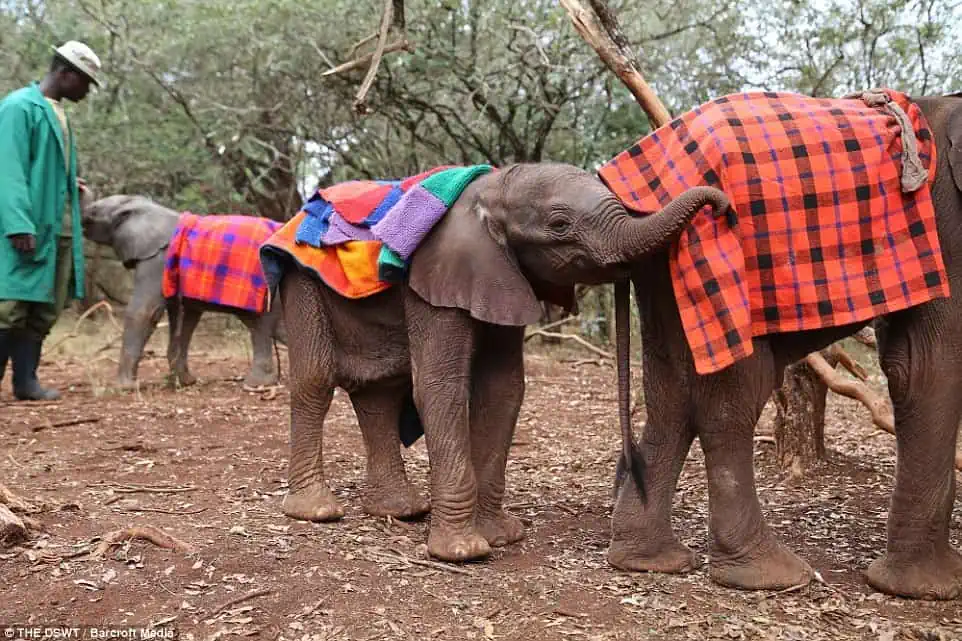
Around them, other rescued elephants lined up in their colorful coats, waiting to be fed and petted. Playmates were everywhere. But the bond between the giraffe and the elephant remained unmistakable.
It wasn’t convenience.
It wasn’t habit.
It was connection.

Both animals had begun life with heartbreak. Both had lost what should have been theirs by nature. And somehow, without words or explanation, they recognized that same absence in each other.
Wildlife experts say elephants and giraffes in the region continue to face serious threats, especially from poaching. Giraffe populations alone have declined dramatically over the past decade. Stories like Kiko’s and Loboito’s are reminders not just of loss—but of what is possible when care arrives in time.
Rob Brandford, Managing Director of the Trust, said that without the rescue teams and caregivers, neither animal would have survived. Both remain under special care until they are strong enough—old enough—to one day return to the wild.

Until then, they have each other.
Two orphans.
Two survivors.
Two unlikely friends rewriting what family can look like.

Sometimes, love doesn’t come from where it’s supposed to.
Sometimes, it shows up on four legs of different heights—walking side by side anyway.